

Parameters
- 224 pages
- 8 hours of reading
More about the book
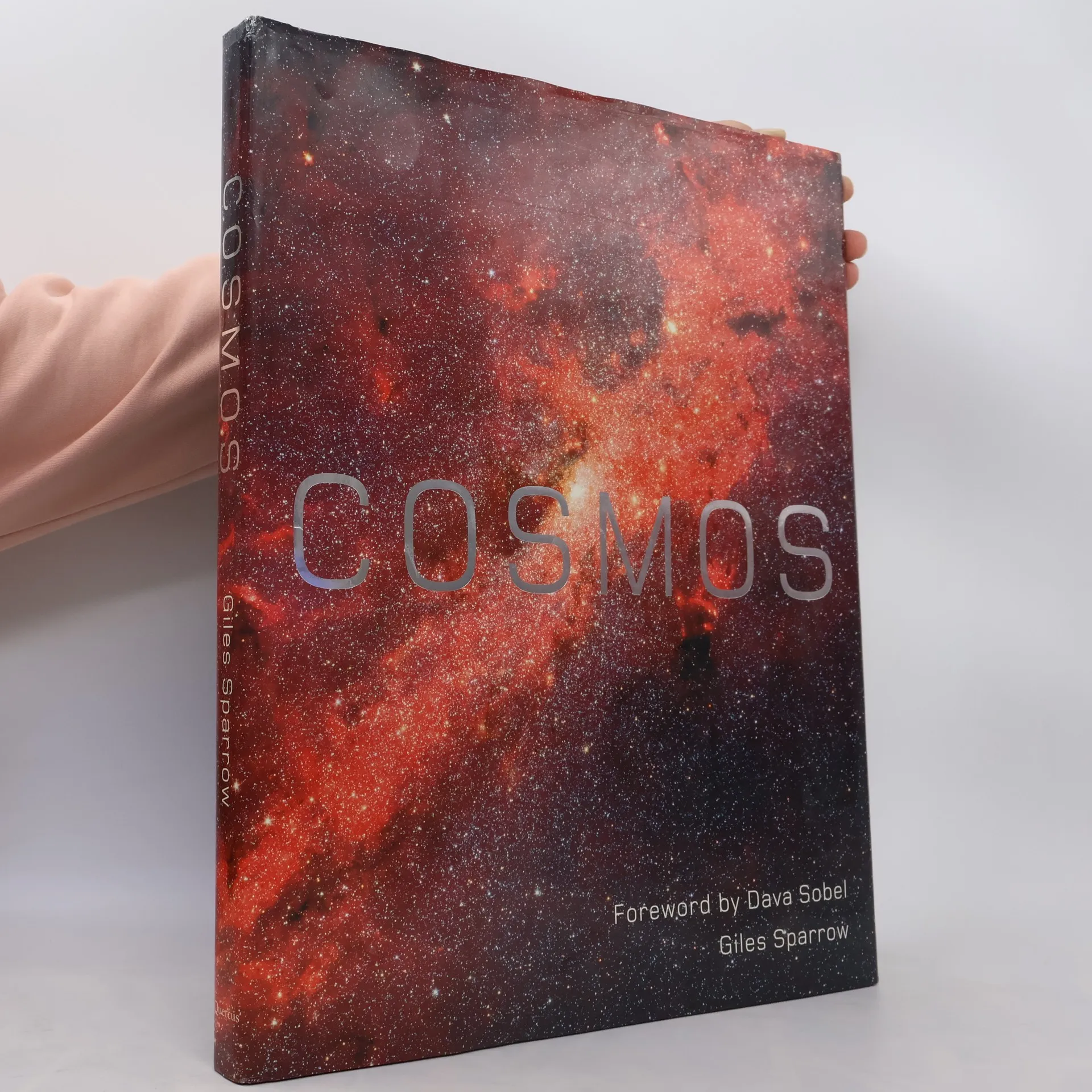
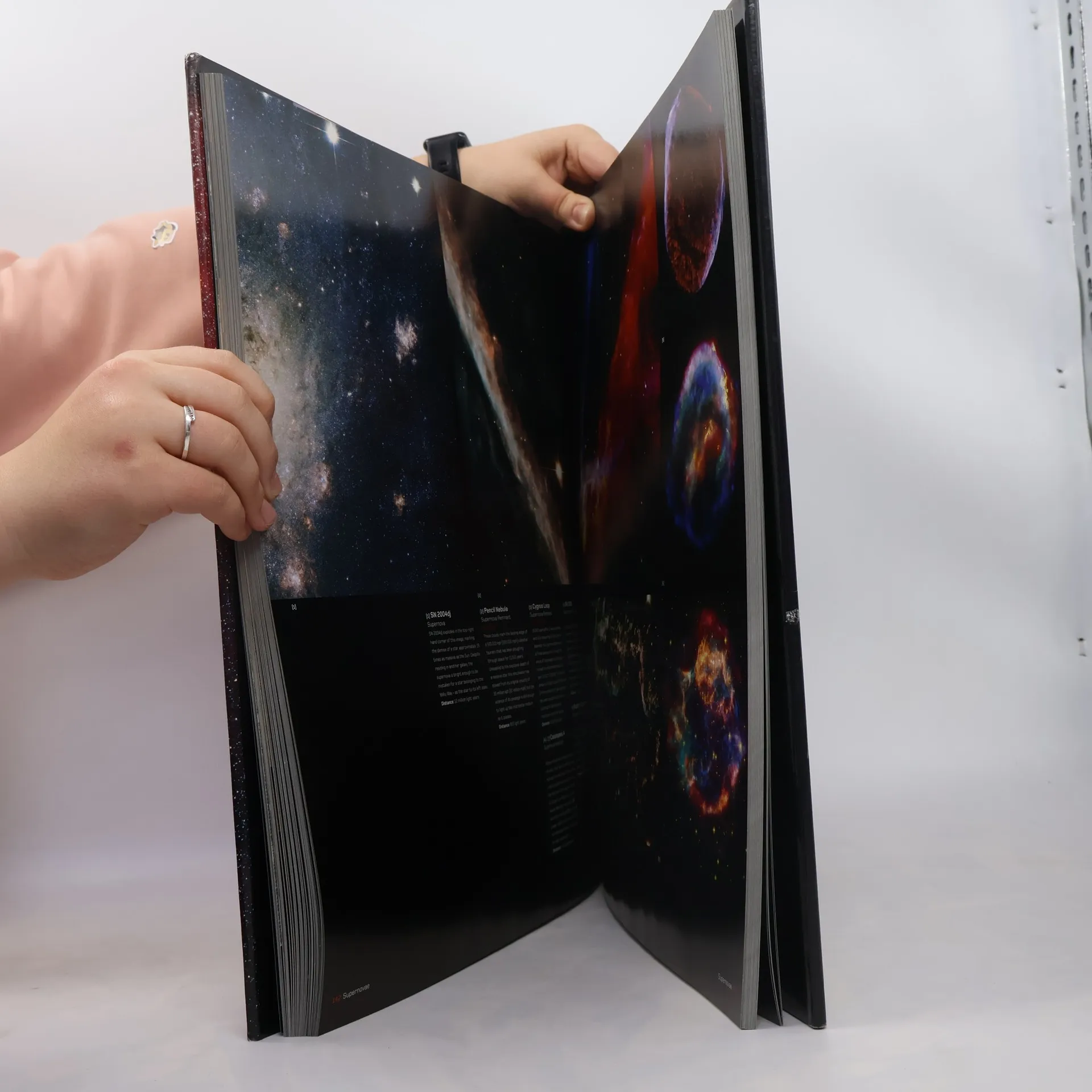
The magnificent vault of stars emblazoning Earth's night skies are but an infinitesimal fraction of the hundreds of billions that inhabit our galaxy - and there are at least as many galaxies in the universe as there are stars in the Milky Way. Cosmos makes sense of this dizzying celestial panorama by exploring it one step at a time, illustrating the planets, moons, stars, nebulae, white dwarfs, black holes and other exotica that populate the heavens with some of science's most spectacular photographs. The book opens with an orbital survey of planet Earth, before venturing into the solar system heading for interstellar space and the heart of our galaxy. As the journey unfolds, the rhythms of stellar life emerge: we pass through dark clouds of dust and gas ablaze with newly smelted stars and we witness dying stars bloom and fade as planetary nebulae, or tear themselves apart as supernovae. Having crossed the Milky Way, we enter intergalactic space. Out here we watch the hidden lives of galaxies: we see them flock and cluster, forming massive conglomerations that span millions of light years, visibly warping space with their tremendous gravity. After covering an almost unimaginable 13.4 billion light years, we approach the edge of space and the dawn of time where our voyage must end, but not before we consider how the universe was born, and how it might die.





Book purchase
Cosmos, Dava Sobel, Giles Sparrow
- Language

- Released
- 2007
- product-detail.submit-box.info.binding
- (Hardcover)
Payment methods
We’re missing your review here.
- Title
- Cosmos
- Subtitle
- A Field Guide
- Language
- English
- Authors
- Dava Sobel, Giles Sparrow
- Publisher
- Quercus
- Released
- 2007
- Format
- Hardcover
- Pages
- 224
- ISBN10
- 1847241255
- ISBN13
- 9781847241252
- Series
- Tags
- Non-Fiction, Art & Culture, Science & Math, Natural sciences, References & Manuals, Science, Photography, Space, Astronomy
- First published
- 2006
- Original title
- Cosmos
- Rating
- 4.5 out of 5
- Description
- The magnificent vault of stars emblazoning Earth's night skies are but an infinitesimal fraction of the hundreds of billions that inhabit our galaxy - and there are at least as many galaxies in the universe as there are stars in the Milky Way. Cosmos makes sense of this dizzying celestial panorama by exploring it one step at a time, illustrating the planets, moons, stars, nebulae, white dwarfs, black holes and other exotica that populate the heavens with some of science's most spectacular photographs. The book opens with an orbital survey of planet Earth, before venturing into the solar system heading for interstellar space and the heart of our galaxy. As the journey unfolds, the rhythms of stellar life emerge: we pass through dark clouds of dust and gas ablaze with newly smelted stars and we witness dying stars bloom and fade as planetary nebulae, or tear themselves apart as supernovae. Having crossed the Milky Way, we enter intergalactic space. Out here we watch the hidden lives of galaxies: we see them flock and cluster, forming massive conglomerations that span millions of light years, visibly warping space with their tremendous gravity. After covering an almost unimaginable 13.4 billion light years, we approach the edge of space and the dawn of time where our voyage must end, but not before we consider how the universe was born, and how it might die.