


More about the book
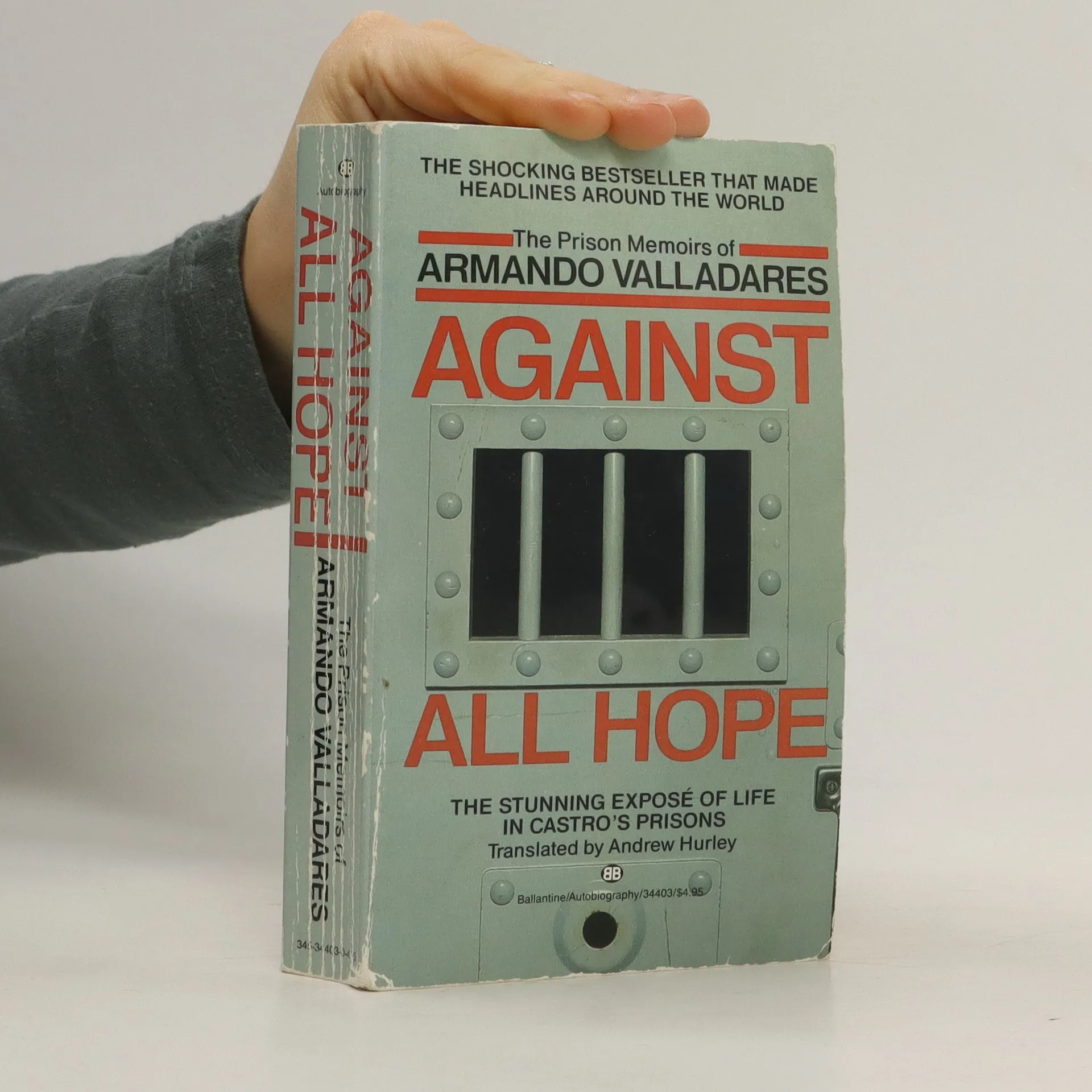
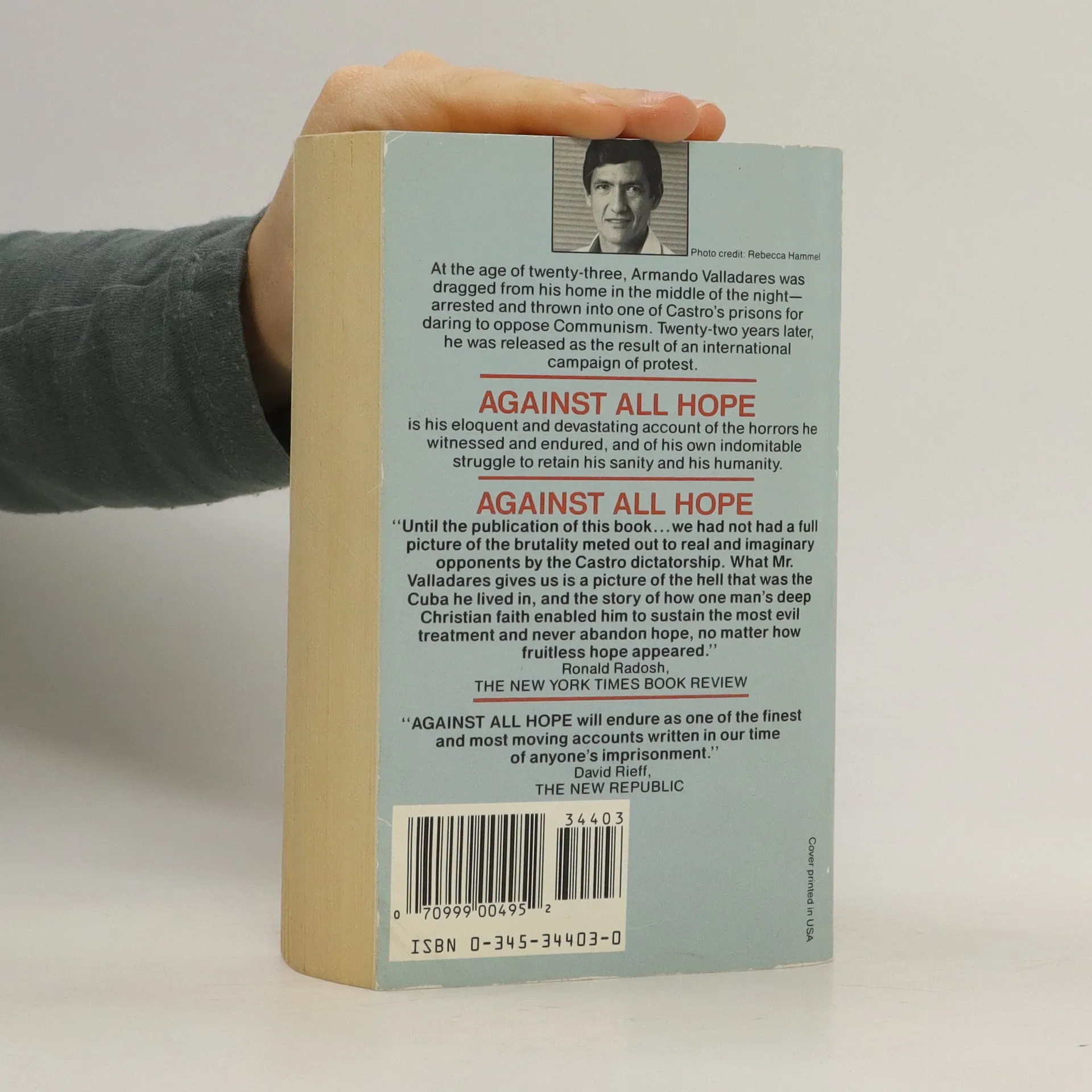
Arrested in 1960 for being philosophically and religiously opposed to communism, Armando Valladares was interned at Cuba's infamous Isla de Pinos Prison. His life in Castro's gulag was a hell of violence and disease, putrid food and squalid living conditions, forced labor and solitary confinement, and hazardous escape attempts. Valladares survived by prayer and poetry. His writing, smuggled out to Europe and the U.S., made him one of the world's most celebrated prisoners of conscience. As a result of pressure from international human rights organizations, the Castro regime finally released him in 1982. When Against All Hope first appeared, it was immediately compared to classic prison narratives about the resilience of the human spirit in the face of totalitarianism. This story of strength and survival is more relevant than ever.
Book purchase
Against all hope : the prison memoirs, Armando Valladares, Andrew Hurley
- Language

- Released
- 1987
- Binding
- (Paperback)
Payment methods
We’re missing your review here.
- Title
- Against all hope : the prison memoirs
- Language
- English
- Authors
- Armando Valladares, Andrew Hurley
- Publisher
- Ballantine Books
- Released
- 1987
- Format
- Paperback
- ISBN10
- 0345344030
- ISBN13
- 9780345344038
- Series
- Categories
- Rating
- 4 out of 5
- Description
- Arrested in 1960 for being philosophically and religiously opposed to communism, Armando Valladares was interned at Cuba's infamous Isla de Pinos Prison. His life in Castro's gulag was a hell of violence and disease, putrid food and squalid living conditions, forced labor and solitary confinement, and hazardous escape attempts. Valladares survived by prayer and poetry. His writing, smuggled out to Europe and the U.S., made him one of the world's most celebrated prisoners of conscience. As a result of pressure from international human rights organizations, the Castro regime finally released him in 1982. When Against All Hope first appeared, it was immediately compared to classic prison narratives about the resilience of the human spirit in the face of totalitarianism. This story of strength and survival is more relevant than ever.