

More about the book
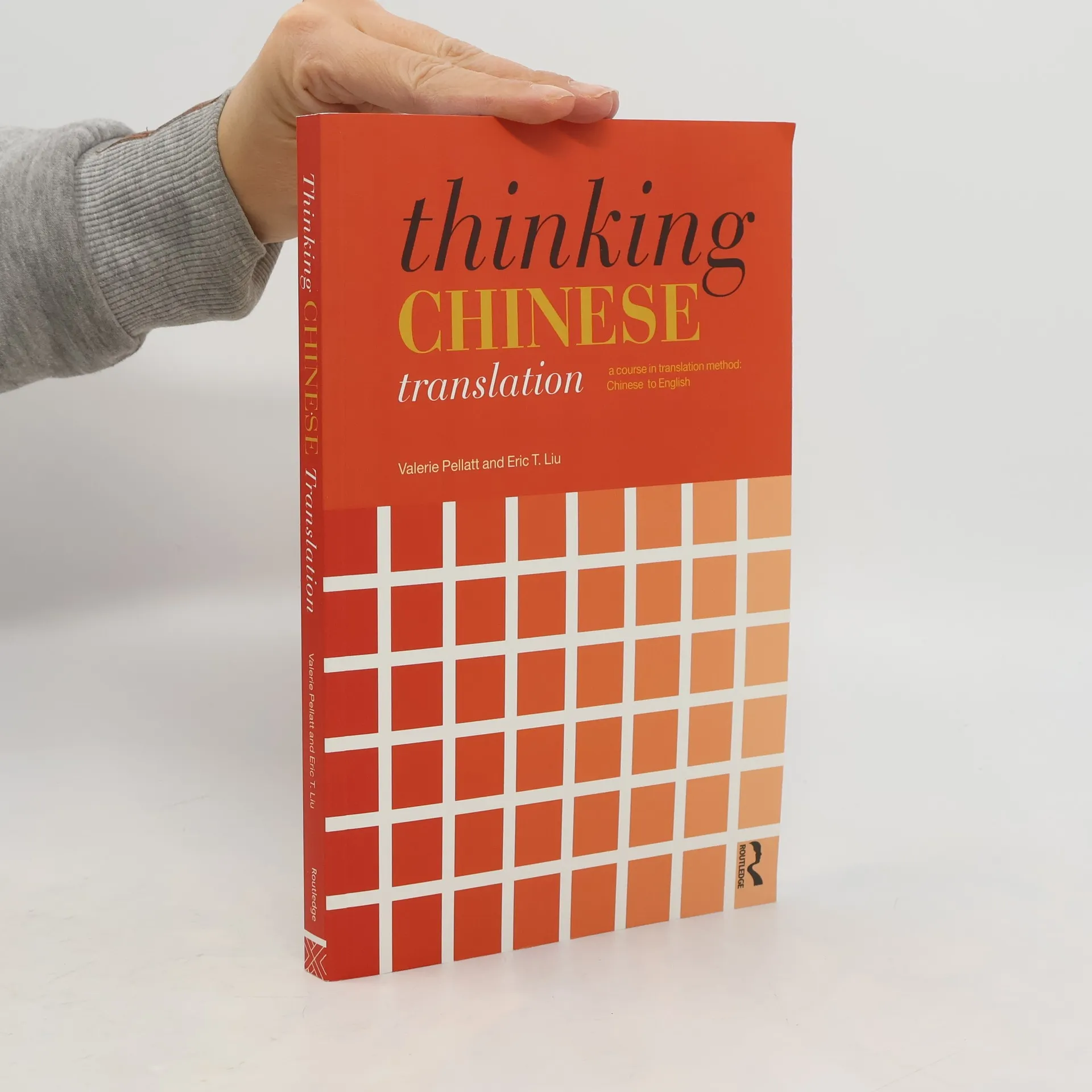
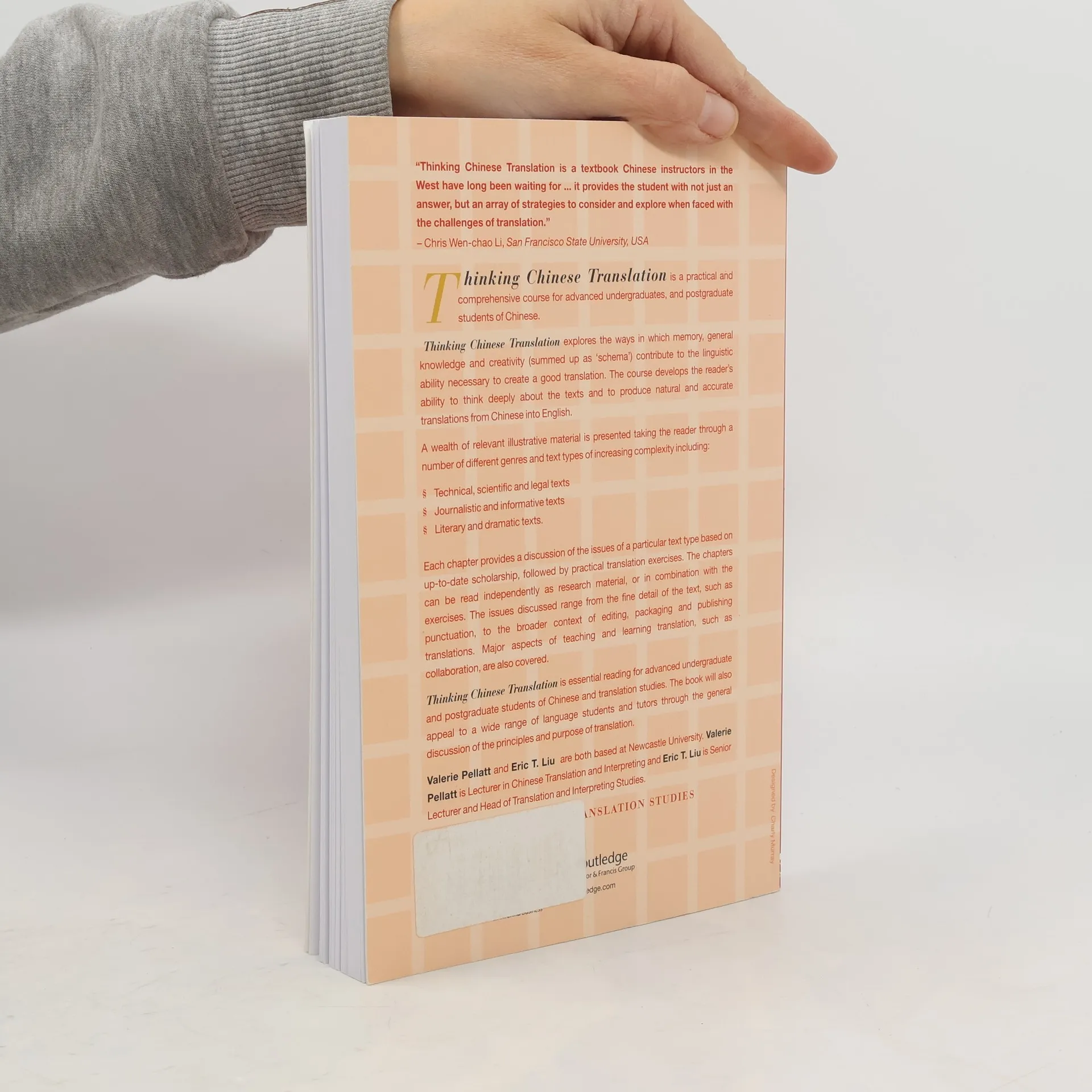
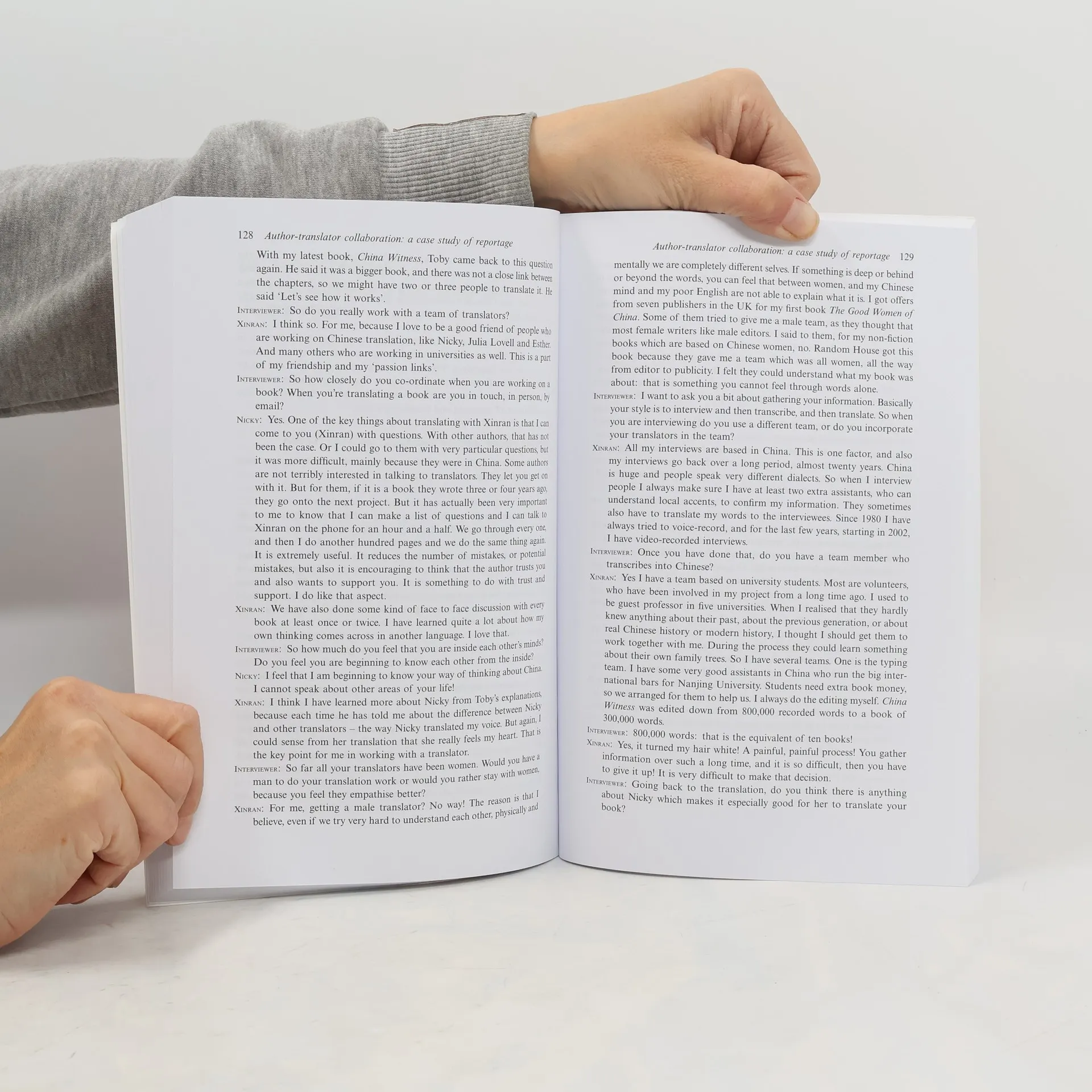
Thinking Chinese Translation is a practical and comprehensive course for advanced undergraduates and postgraduate students. It explores the ways in which memory, general knowledge, and creativity contribute to the linguistic ability necessary to create a good translation. The course develops the reader’s ability to think deeply about texts and to produce natural and accurate translations. A wealth of relevant illustrative material is presented, covering different genres and text types of increasing complexity. Each chapter provides a discussion of the issues of a particular text type based on up-to-date scholarship, followed by practical translation exercises. The chapters can be read independently as research material or in combination with the exercises. The issues discussed range from the fine detail of the text, such as punctuation, to the broader context of editing, packaging, and publishing translations. Major aspects of teaching and learning translation, such as collaboration, are also covered. This book is essential reading for advanced students and will appeal to a wide range of language students and tutors through the general discussion of the principles and purpose of translation.
Book purchase
Thinking Chinese Translation, Valerie Pellatt, Eric Liu
- Language


- Released
- 2010
- Binding
- (Hardcover)
Payment methods
No one has rated yet.
- Title
- Thinking Chinese Translation
- Language
- English, Chinese
- Authors
- Valerie Pellatt, Eric Liu
- Publisher
- Routledge
- Released
- 2010
- Format
- Hardcover
- ISBN10
- 0415474175
- ISBN13
- 9780415474177
- Series
- Description
- Thinking Chinese Translation is a practical and comprehensive course for advanced undergraduates and postgraduate students. It explores the ways in which memory, general knowledge, and creativity contribute to the linguistic ability necessary to create a good translation. The course develops the reader’s ability to think deeply about texts and to produce natural and accurate translations. A wealth of relevant illustrative material is presented, covering different genres and text types of increasing complexity. Each chapter provides a discussion of the issues of a particular text type based on up-to-date scholarship, followed by practical translation exercises. The chapters can be read independently as research material or in combination with the exercises. The issues discussed range from the fine detail of the text, such as punctuation, to the broader context of editing, packaging, and publishing translations. Major aspects of teaching and learning translation, such as collaboration, are also covered. This book is essential reading for advanced students and will appeal to a wide range of language students and tutors through the general discussion of the principles and purpose of translation.