

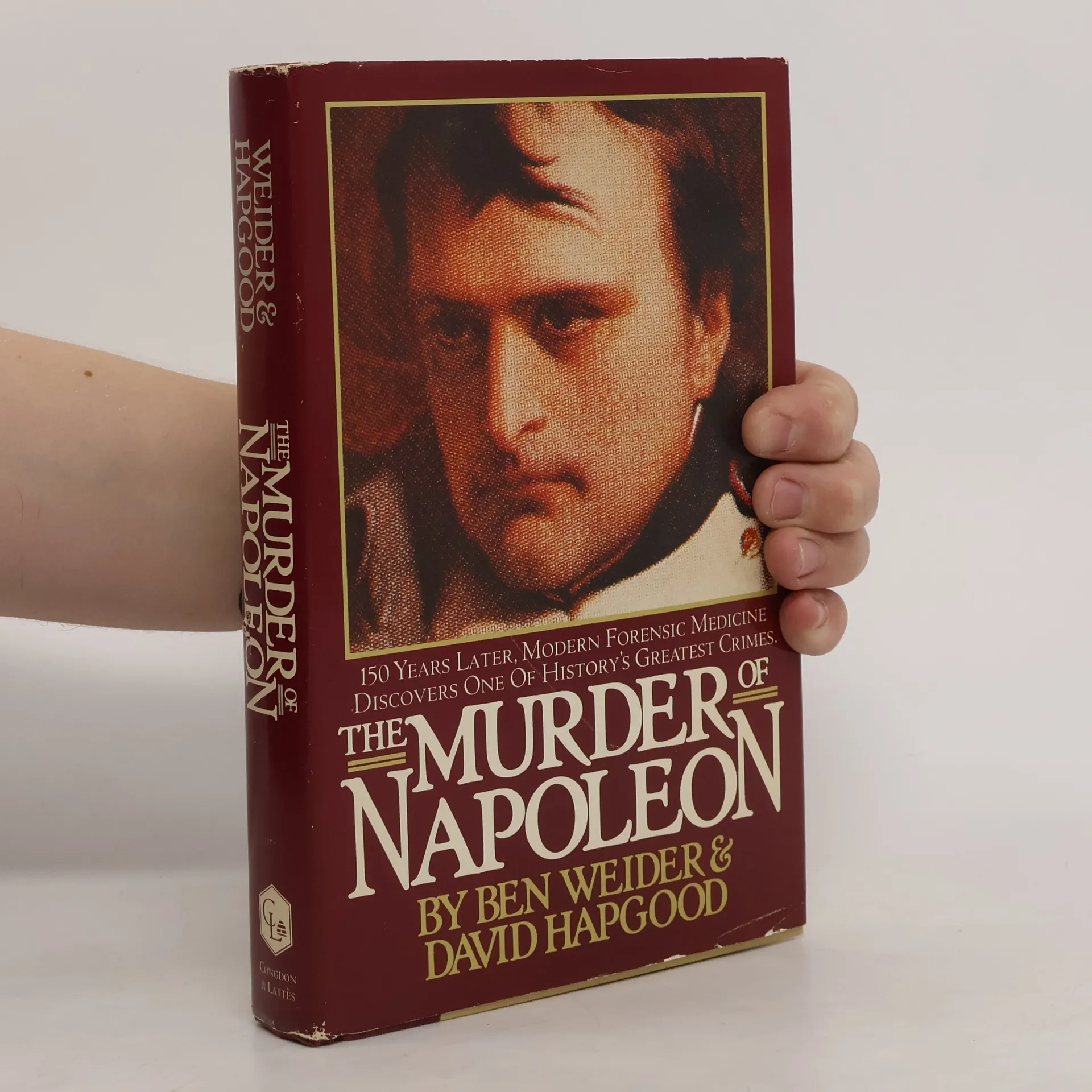


The Murder of Napoleon
Authors
Parameters
More about the book
The book reveals a historical crime that has remained hidden for 160 years. Napoleon did not die of stomach cancer; he was poisoned with arsenic. This sensational work is based on the research of Swedish dentist and toxicologist Sten Forshufvud, who, while reading the memoirs of Napoleon's valet Louis Marchand, recognized that the exiled emperor's symptoms pointed to arsenic poisoning rather than stomach cancer. Forshufvud noted that some passages in the memoirs read like a textbook on toxic symptoms. The authors describe how and where Forshufvud ultimately found his evidence, how analyses confirmed his theory, and how he, with investigative acumen, even identified the murderer. The book reads more like a gripping detective novel than a dry history text, while also providing previously unknown insights into Napoleon's life on Saint Helena. Readers are drawn into the nearly impossible resolution of a mysterious case where the possibilities of modern forensic science triumph.

Book purchase
The Murder of Napoleon, Ben Weider, David Hapgood
- Language

- Released
- 1982
- Binding
- (Hardcover)
Payment methods
No one has rated yet.
- Title
- The Murder of Napoleon
- Language
- English
- Authors
- Ben Weider, David Hapgood
- Publisher
- CNIB
- Released
- 1982
- Format
- Hardcover
- Series
- Description
- The book reveals a historical crime that has remained hidden for 160 years. Napoleon did not die of stomach cancer; he was poisoned with arsenic. This sensational work is based on the research of Swedish dentist and toxicologist Sten Forshufvud, who, while reading the memoirs of Napoleon's valet Louis Marchand, recognized that the exiled emperor's symptoms pointed to arsenic poisoning rather than stomach cancer. Forshufvud noted that some passages in the memoirs read like a textbook on toxic symptoms. The authors describe how and where Forshufvud ultimately found his evidence, how analyses confirmed his theory, and how he, with investigative acumen, even identified the murderer. The book reads more like a gripping detective novel than a dry history text, while also providing previously unknown insights into Napoleon's life on Saint Helena. Readers are drawn into the nearly impossible resolution of a mysterious case where the possibilities of modern forensic science triumph.