

Parameters
- 230 pages
- 9 hours of reading
More about the book
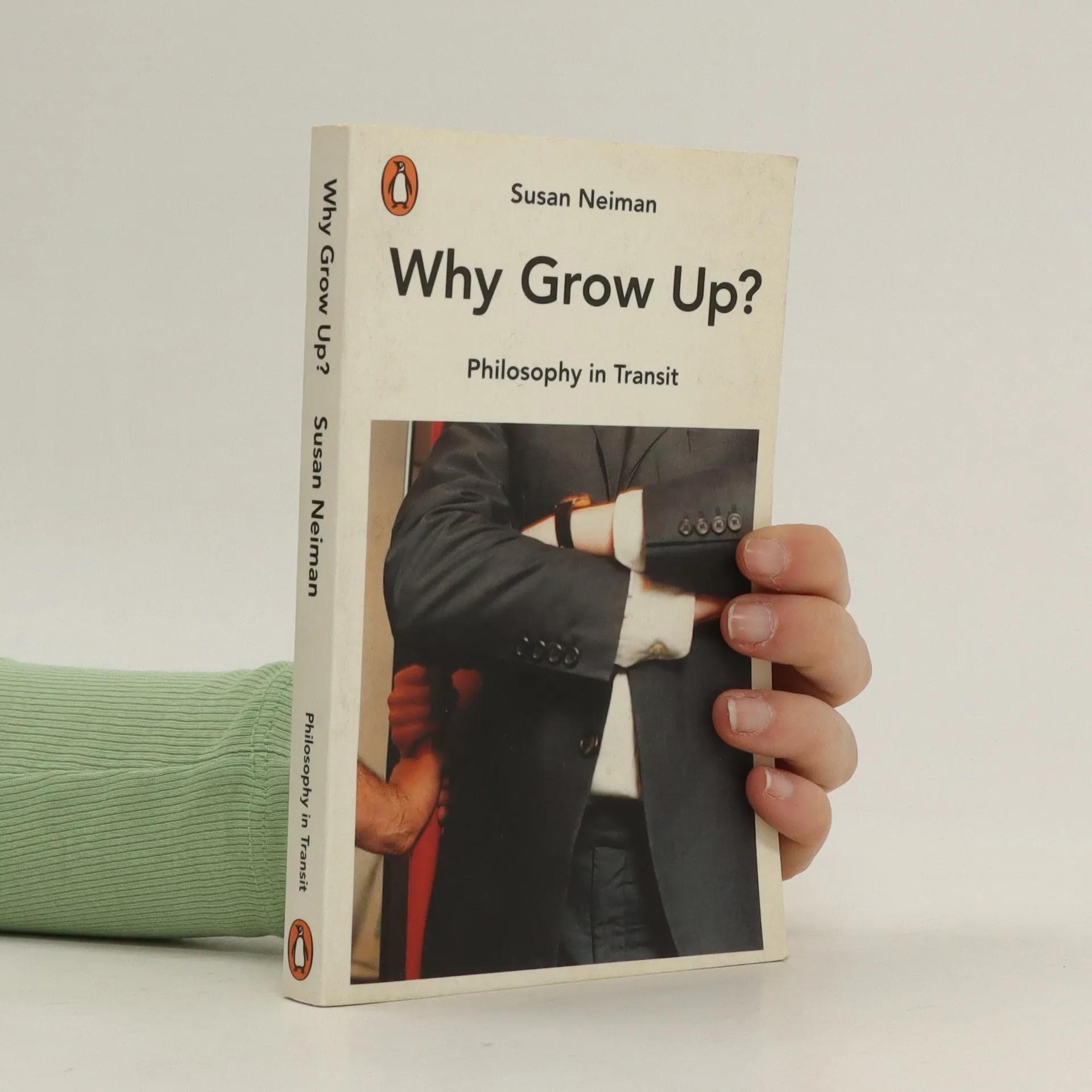
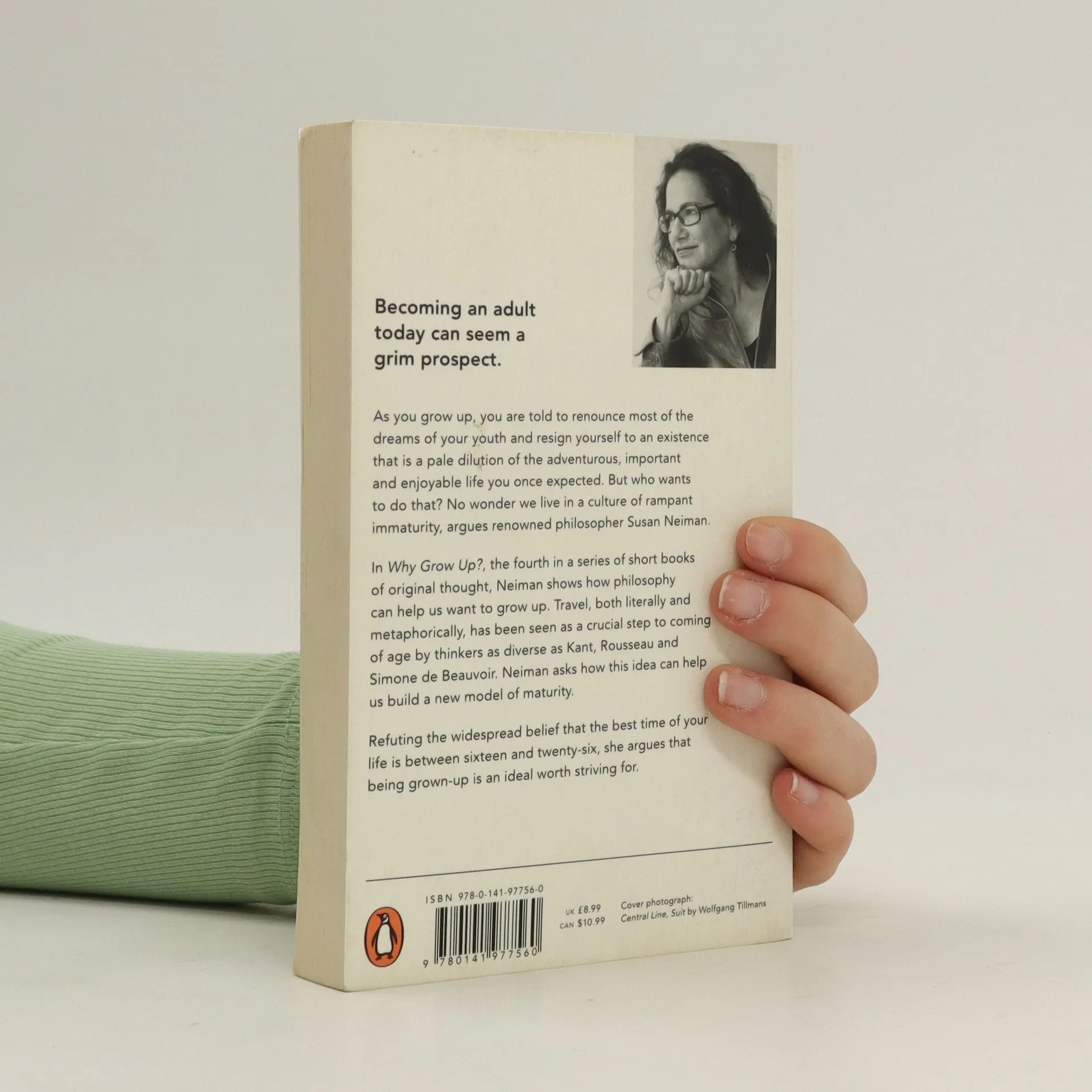
Becoming an adult today can seem a grim prospect. As you grow up, you are told to renounce most of the dreams of your youth and resign yourself to an existence that is a pale dilution of the adventurous, important and enjoyable life you once expected. But who wants to do that? No wonder we live in a culture of rampant immaturity, argues renowned philosopher Susan Neiman. In Why Grow Up, the fourth in a series of short books of original thought, Neiman shows how philosophy can help us want to grow up. Travel, both literally and metaphorically, has been seen as a crucial step to coming of age by thinkers as diverse as Kant, Rousseau and Simone de Beauvoir. Neiman asks how this idea can help us build a new model of maturity. Refuting the widespread belief that the best time of your life is between sixteen and twenty-six, she argues that being grown-up is an ideal worth striving for.
Language



Book purchase
Why grow up?, Susan Neiman
- Language

- Released
- 2014
- product-detail.submit-box.info.binding
- (Paperback)
Payment methods
We’re missing your review here.
- Title
- Why grow up?
- Language
- English
- Authors
- Susan Neiman
- Publisher
- Penguin Books
- Released
- 2014
- Format
- Paperback
- Pages
- 230
- ISBN10
- 0141977566
- ISBN13
- 9780141977560
- Series
- Tags
- Non-Fiction, Social Sciences, Self-Help, Psychological Topics, Philosophical Topics, Philosophy, Parenting, Culture and Society, Parenthood
- Rating
- 3.65 out of 5
- Description
- Becoming an adult today can seem a grim prospect. As you grow up, you are told to renounce most of the dreams of your youth and resign yourself to an existence that is a pale dilution of the adventurous, important and enjoyable life you once expected. But who wants to do that? No wonder we live in a culture of rampant immaturity, argues renowned philosopher Susan Neiman. In Why Grow Up, the fourth in a series of short books of original thought, Neiman shows how philosophy can help us want to grow up. Travel, both literally and metaphorically, has been seen as a crucial step to coming of age by thinkers as diverse as Kant, Rousseau and Simone de Beauvoir. Neiman asks how this idea can help us build a new model of maturity. Refuting the widespread belief that the best time of your life is between sixteen and twenty-six, she argues that being grown-up is an ideal worth striving for.