




Parameters
- 320 pages
- 12 hours of reading
More about the book
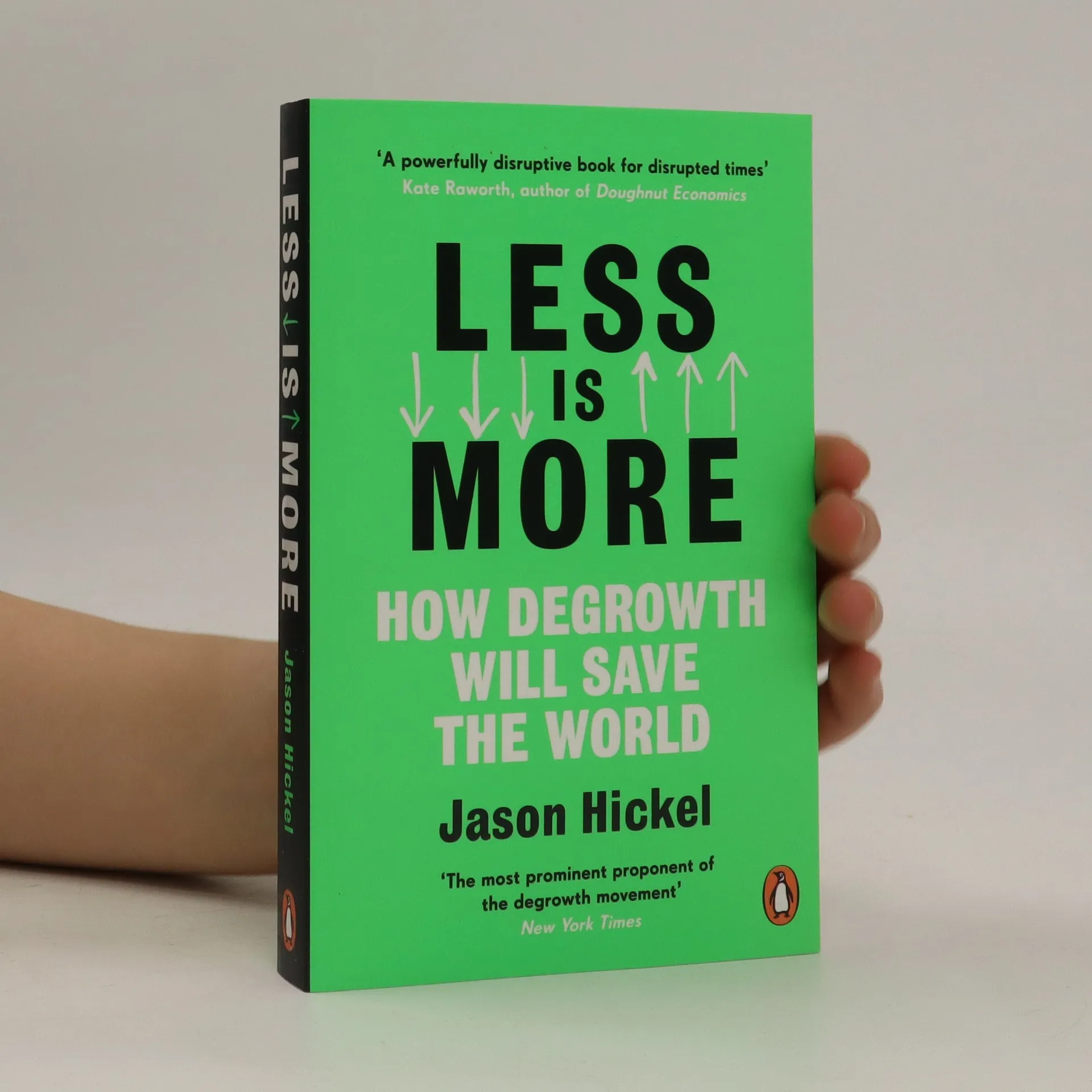
The world is awakening to the reality of climate breakdown and ecological collapse, necessitating a shift from a philosophy of domination and extraction to one rooted in reciprocity with our planet's ecology. This wake-up call highlights the urgent need for degrowth as a solution to reverse the current crisis and create a sustainable future. By illuminating the ecological breakdown and the systems causing it, the author demonstrates how we can realign our economy with the living world and foster a thriving society for all. This moment presents an opportunity for change, but immediate action is essential. The book is praised as a masterpiece that spans centuries and continents, connecting diverse academic disciplines and events in a compelling narrative. It emphasizes the importance of recovering the commons and decolonizing nature and cultures as vital steps toward a hopeful future. Critics argue that only degrowth can prevent climate breakdown, challenging ecomodernist fantasies of "green growth." The author provides not just a vision of a different world but also practical tools for achieving it. This work is deemed essential reading for anyone interested in the implications of living in the Anthropocene and offers a clear path to a sustainable future by addressing systemic flaws and cultural beliefs that must be transformed.




Book purchase
Less is more: how degrowth will save the world, Jason Hickel
- Language

- Released
- 2022
- product-detail.submit-box.info.binding
- (Paperback)
Payment methods
We’re missing your review here.
- Language
- English
- Authors
- Jason Hickel
- Publisher
- Penguin Books
- Released
- 2022
- Format
- Paperback
- Pages
- 320
- ISBN10
- 1786091216
- ISBN13
- 9781786091215
- Series
- Tags
- Non-Fiction, Social Sciences, Business, Business & Management, Science & Math, Political Science & Politics, Politics, Economics, Environmental Themes, Ecology, Gifts for grandpa, Gifts for women, Sustainability, Climate Change, Capitalism
- Rating
- 4.5 out of 5
- Description
- The world is awakening to the reality of climate breakdown and ecological collapse, necessitating a shift from a philosophy of domination and extraction to one rooted in reciprocity with our planet's ecology. This wake-up call highlights the urgent need for degrowth as a solution to reverse the current crisis and create a sustainable future. By illuminating the ecological breakdown and the systems causing it, the author demonstrates how we can realign our economy with the living world and foster a thriving society for all. This moment presents an opportunity for change, but immediate action is essential. The book is praised as a masterpiece that spans centuries and continents, connecting diverse academic disciplines and events in a compelling narrative. It emphasizes the importance of recovering the commons and decolonizing nature and cultures as vital steps toward a hopeful future. Critics argue that only degrowth can prevent climate breakdown, challenging ecomodernist fantasies of "green growth." The author provides not just a vision of a different world but also practical tools for achieving it. This work is deemed essential reading for anyone interested in the implications of living in the Anthropocene and offers a clear path to a sustainable future by addressing systemic flaws and cultural beliefs that must be transformed.