


More about the book
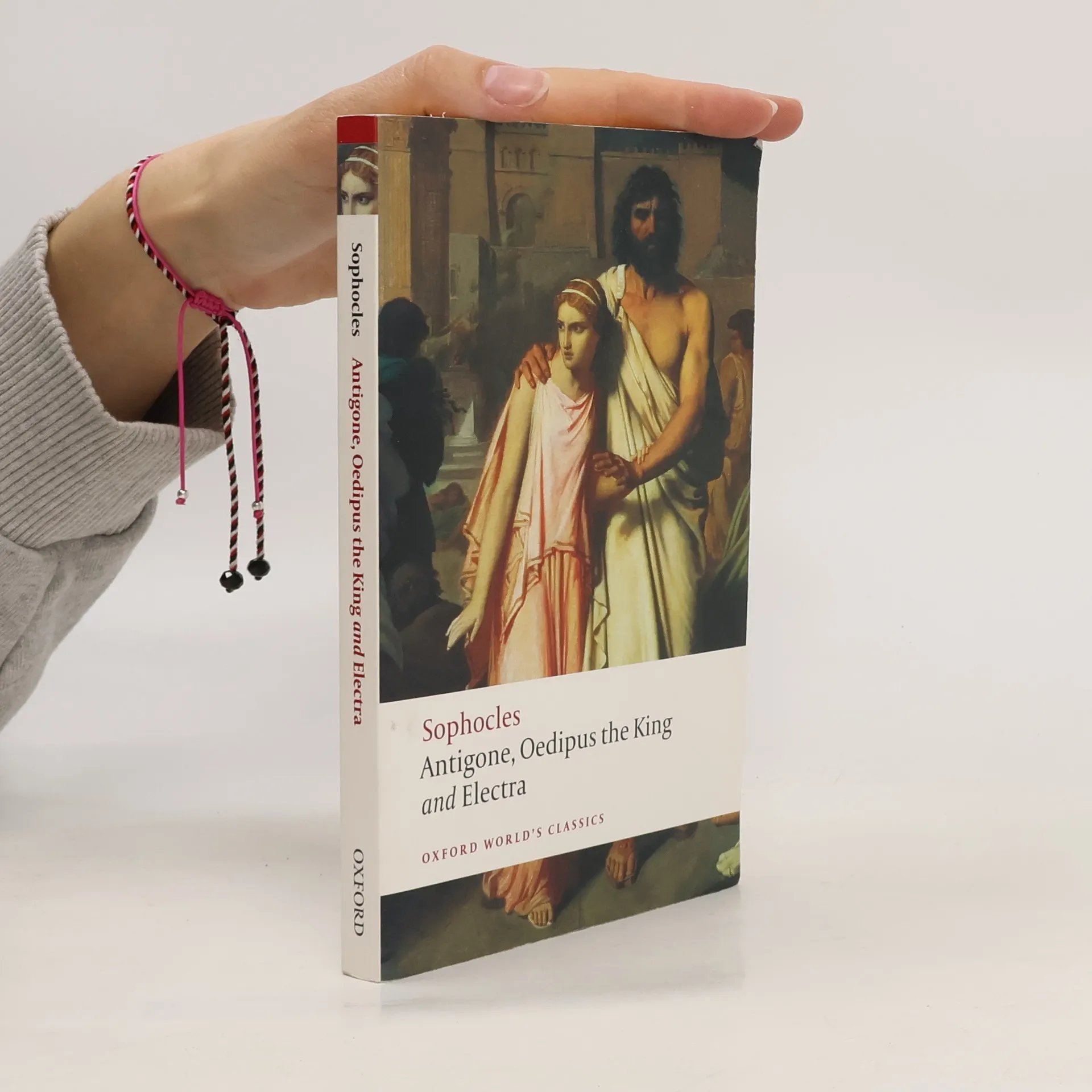
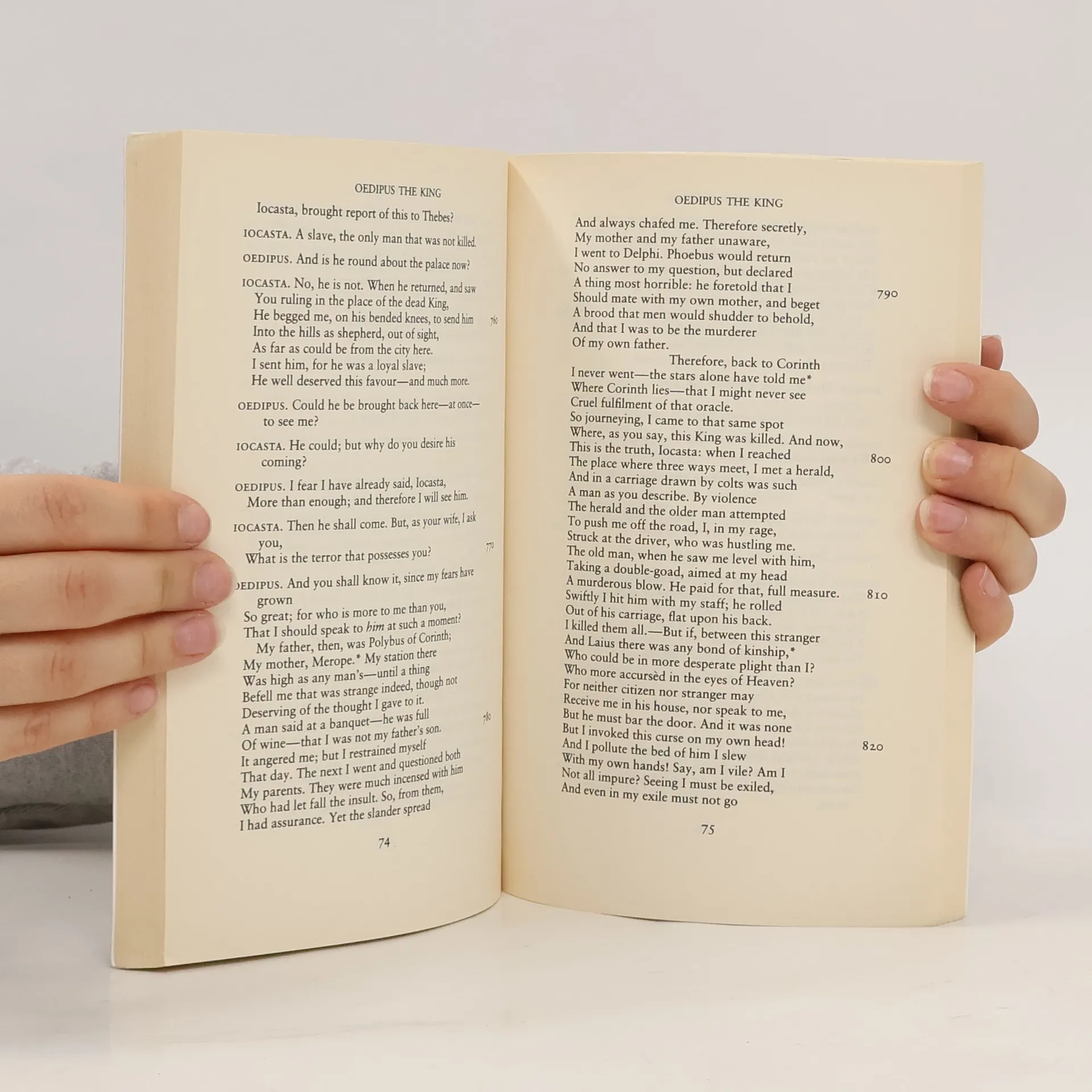
Love and loyalty, hatred and revenge, fear, deprivation, and political ambition: these are the motives which thrust the characters portrayed in these three Sophoclean masterpieces on to their collision course with catastrophe. Recognized in his own day as perhaps the greatest of the Greek tragedians, Sophocles's reputation has remained undimmed for two and a half thousand years. His greatest innovation in the tragic medium was his development of a central tragic figure, faced with a test of will and character, risking obloquy and death rather than compromise his or her principles: it is striking that Antigone and Electra both have a woman as their intransigent `hero'. Antigone dies rather than neglect her duty to her family, Oedipus's determination to save his city results in the horrific discovery that he has committed both incest and parricide, and Electra's unremitting anger at her mother and her lover keeps her in servitude and despair. These vivid translations combine elegance and modernity, and are equally suitable for reading or theatrical performance.


Book purchase
Antigone ; Oedipus the King ; Electra, Sofoklés, H. D. F. Humphrey Davy Findley Kitto, Edith Hall
- Language

- Released
- 2008
- product-detail.submit-box.info.binding
- (Paperback)
Payment methods
We’re missing your review here.
- Language
- English
- Publisher
- Oxford University Press
- Released
- 2008
- Format
- Paperback
- Pages
- 178
- ISBN10
- 0199537178
- ISBN13
- 9780199537174
- Series
- Rating
- 3.95 out of 5
- Description
- Love and loyalty, hatred and revenge, fear, deprivation, and political ambition: these are the motives which thrust the characters portrayed in these three Sophoclean masterpieces on to their collision course with catastrophe. Recognized in his own day as perhaps the greatest of the Greek tragedians, Sophocles's reputation has remained undimmed for two and a half thousand years. His greatest innovation in the tragic medium was his development of a central tragic figure, faced with a test of will and character, risking obloquy and death rather than compromise his or her principles: it is striking that Antigone and Electra both have a woman as their intransigent `hero'. Antigone dies rather than neglect her duty to her family, Oedipus's determination to save his city results in the horrific discovery that he has committed both incest and parricide, and Electra's unremitting anger at her mother and her lover keeps her in servitude and despair. These vivid translations combine elegance and modernity, and are equally suitable for reading or theatrical performance.