

Parameters
- 240 pages
- 9 hours of reading
More about the book
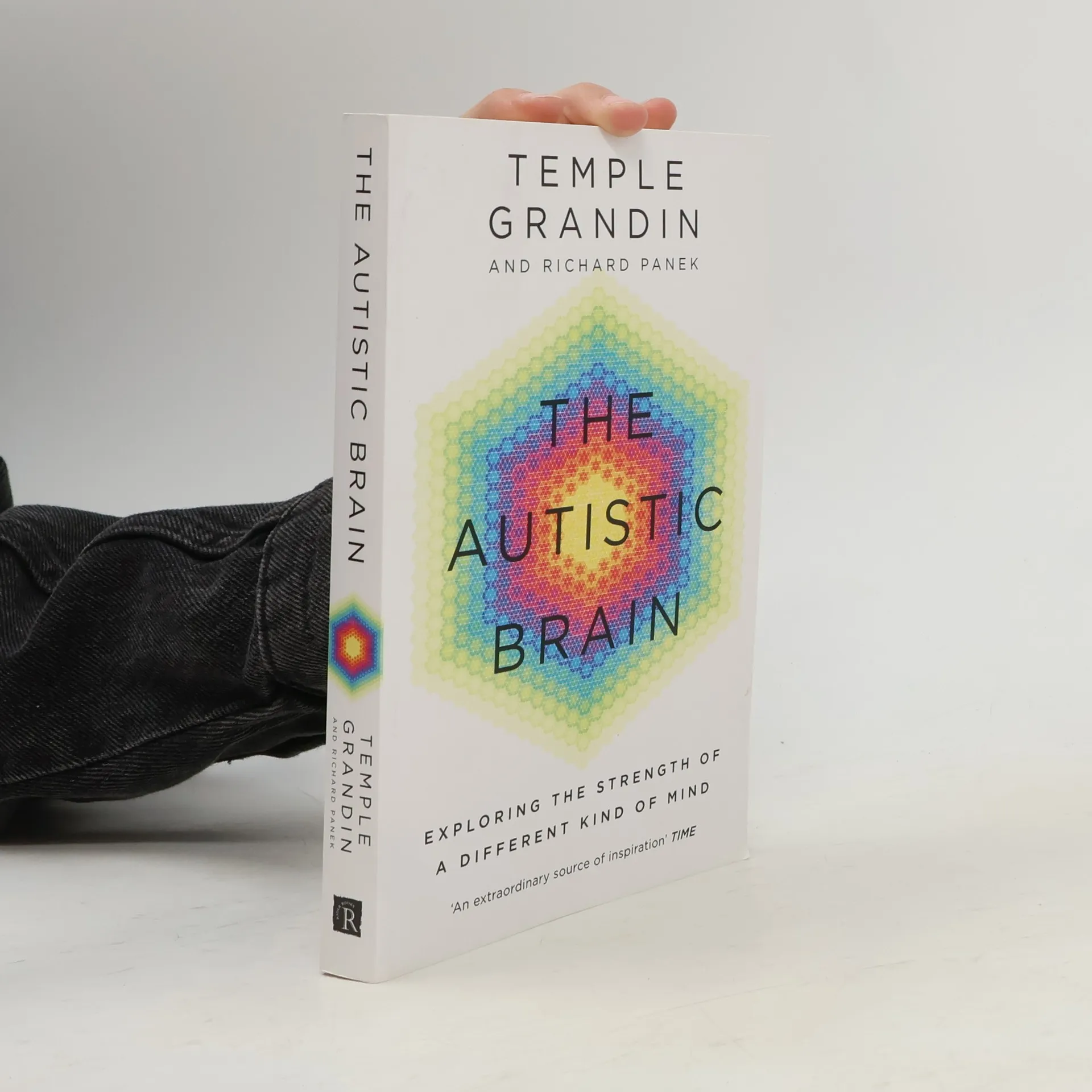
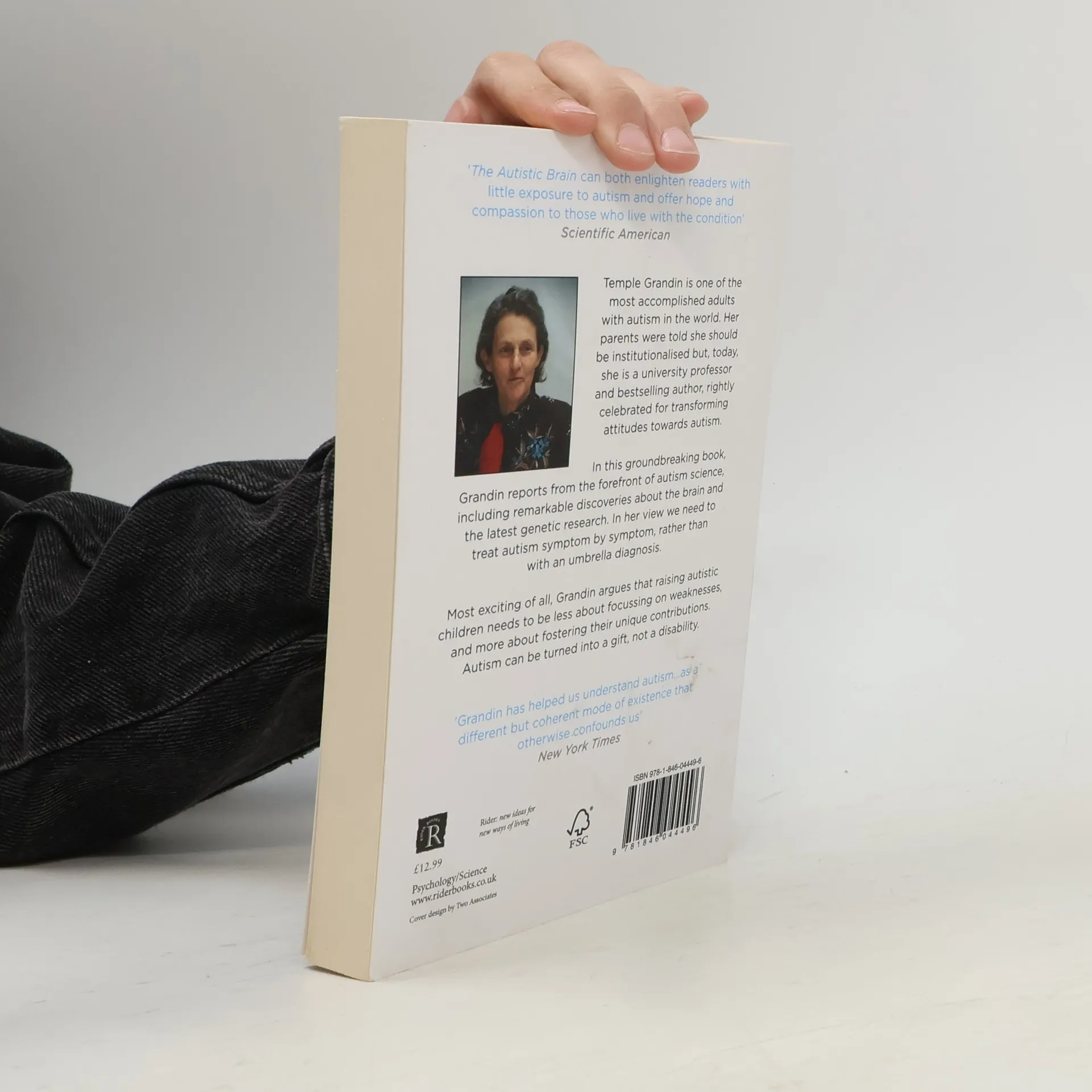
WINNER OF 'BEST NON FICTION' IN THE GOODREADS CHOICE AWARDS 2013 It's estimated that one in almost a hundred people are diagnosed as being on the autistic spectrum but there is far more hope for them today than ever before thanks to groundbreaking new research. In this fascinating and highly readable book, Temple Grandin offers her own experience as an autistic person alongside remarkable new discoveries about the autistic brain, as well as genetic research. She also highlights long-ignored sensory problems as well as the need to treat autism symptom by symptom, rather than with an umbrella diagnosis. Most exciting of all, she argues that raising and educating children on the autistic spectrum needs to be less about focusing on their weaknesses, and more about fostering their unique contributions.


Condition
There are currently of book The Autistic Brain: Exploring the Strength of a Different Kind of Mind (2013) in stock.
Book purchase
The Autistic Brain: Exploring the Strength of a Different Kind of Mind, Temple Grandin, Richard Panek
- Language

- Released
- 2013
- product-detail.submit-box.info.binding
- (Paperback),
- Book condition
- Very Good
- Price
- €11.99
Payment methods
We’re missing your review here.
- Language
- English
- Authors
- Temple Grandin, Richard Panek
- Publisher
- Rider Books
- Released
- 2013
- Format
- Paperback
- Pages
- 240
- ISBN10
- 1846044499
- ISBN13
- 9781846044496
- Series
- Tags
- Non-Fiction, Social Sciences, True Stories, Biographies, Psychological Topics, Autobiographies & Memoirs, Science, Psychology, Education & School System, Women's Biographies, Autism
- Rating
- 4.1 out of 5
- Description
- WINNER OF 'BEST NON FICTION' IN THE GOODREADS CHOICE AWARDS 2013 It's estimated that one in almost a hundred people are diagnosed as being on the autistic spectrum but there is far more hope for them today than ever before thanks to groundbreaking new research. In this fascinating and highly readable book, Temple Grandin offers her own experience as an autistic person alongside remarkable new discoveries about the autistic brain, as well as genetic research. She also highlights long-ignored sensory problems as well as the need to treat autism symptom by symptom, rather than with an umbrella diagnosis. Most exciting of all, she argues that raising and educating children on the autistic spectrum needs to be less about focusing on their weaknesses, and more about fostering their unique contributions.