

Parameters
- 238 pages
- 9 hours of reading
More about the book
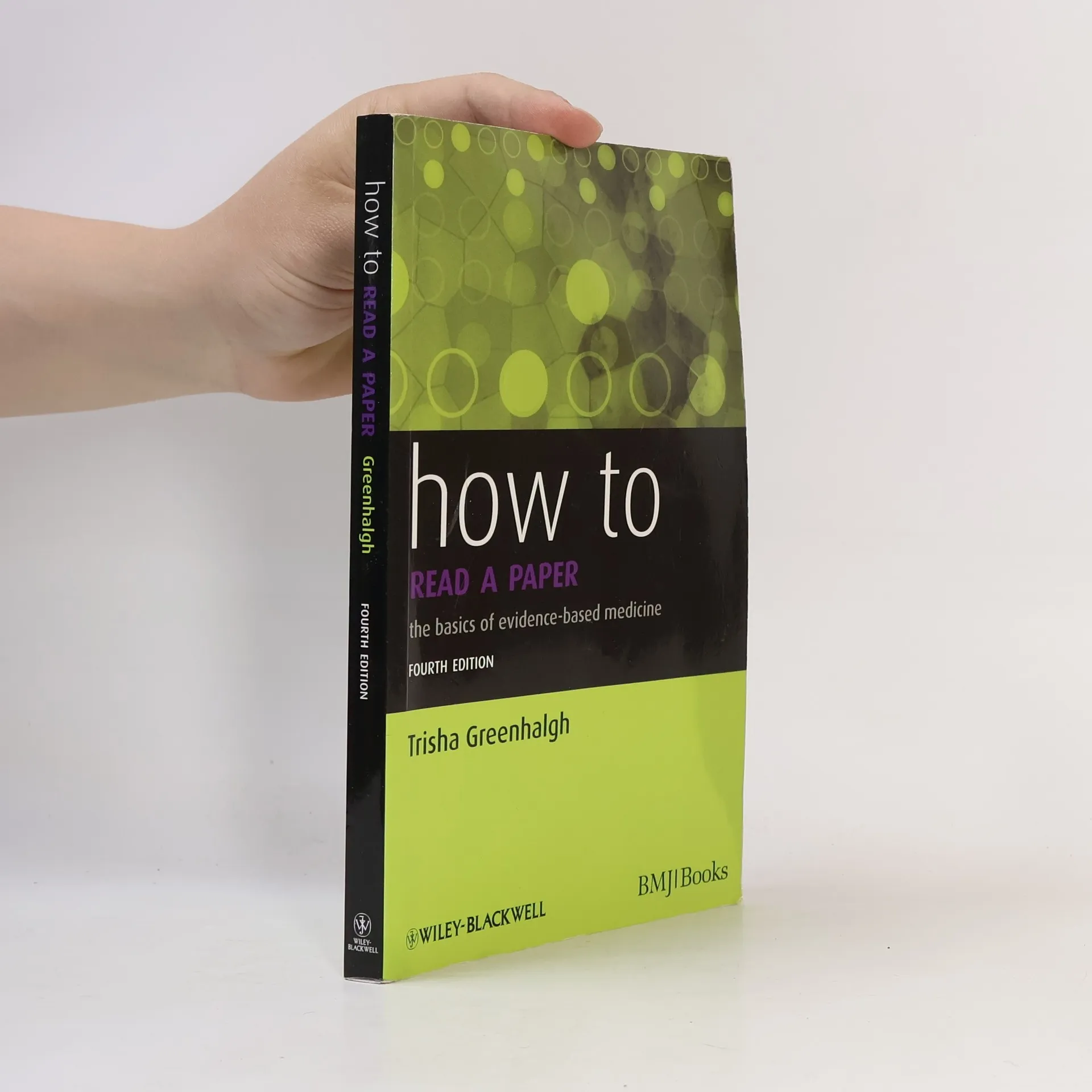
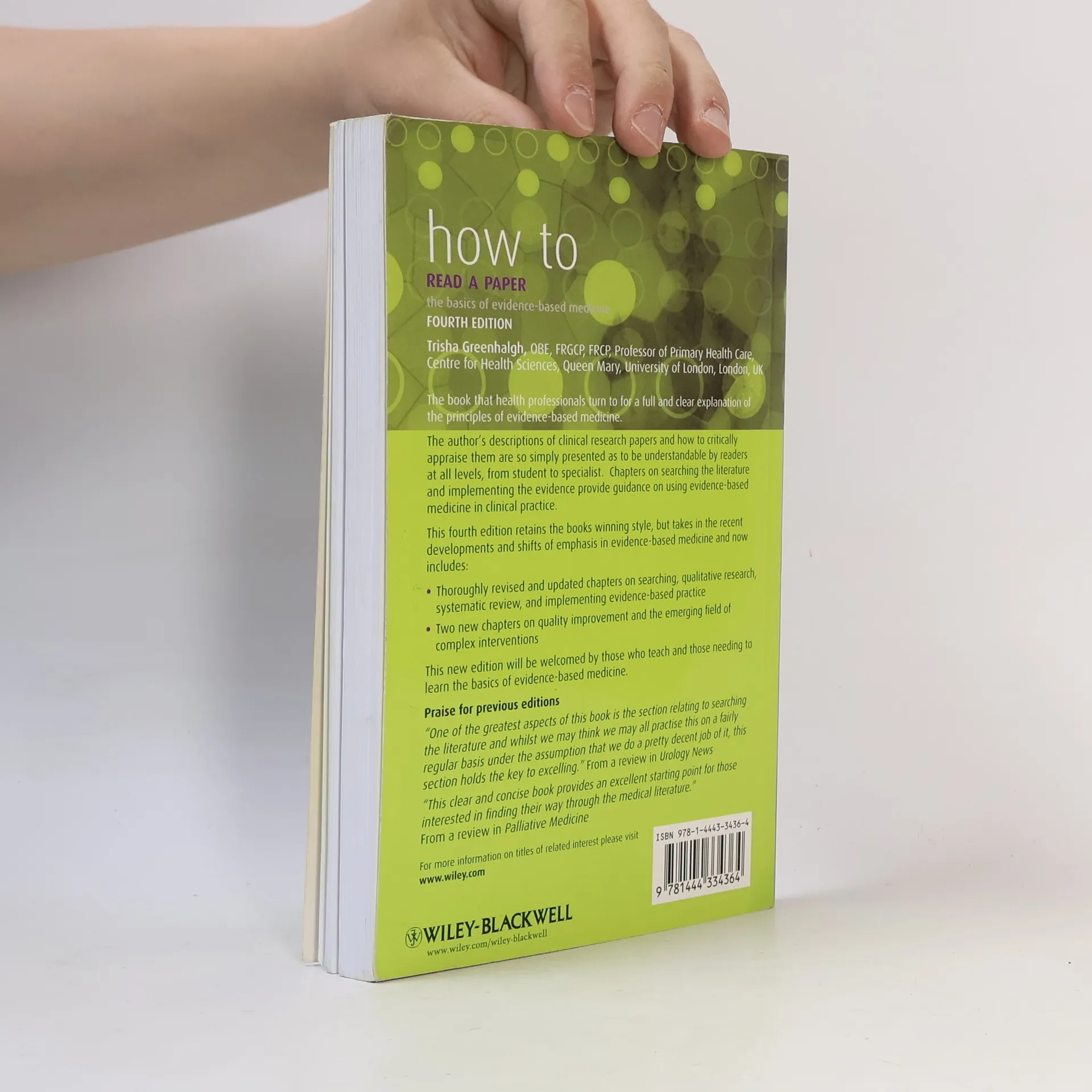
How to Read a Paper describes the different types of clinical research reporting, and explains how to critically appraise the publications. The book provides the tools to find and evaluate the literature, and implement the findings in an evidence-based, patient-centered way. Written for anyone in the health care professions who has little or no knowledge of evidence-based medicine, it provides a clear understanding of the concepts and how to put them into practice at the basic, clinical level. Changes for the 4th edition The fourth edition will include two new chapters on important developments in health care research and delivery, but otherwise retains its original style, size, and scope. New chapter on quality improvement - describing papers on quality improvement projects using ebm methods; this will extend the readership to non clinical health care professionals working in hospitals and family practice, and to nurse specialists and practice nurses working in this field New chapter on complex interventions - how to set up research projects involving both qualitative and quantitative methodology (known as mixed methods) Thorough revision and updating of existing chapters and references New illustrations - diagrammatic representations of ebm concepts


Book purchase
How to Read a Paper, Trisha Greenhalgh
- Language

- Released
- 2010
- product-detail.submit-box.info.binding
- (Paperback)
Payment methods
We’re missing your review here.
- Title
- How to Read a Paper
- Subtitle
- The Basics of Evidence-Based Medicine - Fourth Edition
- Language
- English
- Authors
- Trisha Greenhalgh
- Publisher
- BMJ Books
- Released
- 2010
- Format
- Paperback
- Pages
- 238
- ISBN10
- 1444334360
- ISBN13
- 9781444334364
- Series
- Tags
- Non-Fiction, Health & Medicine, Self-Help, Medicine, Cookbooks, Food & Drinks, References & Manuals, Science, Health, Health & Fitness, Medicine, Nutrition & Diets, Research
- Rating
- 4.05 out of 5
- Description
- How to Read a Paper describes the different types of clinical research reporting, and explains how to critically appraise the publications. The book provides the tools to find and evaluate the literature, and implement the findings in an evidence-based, patient-centered way. Written for anyone in the health care professions who has little or no knowledge of evidence-based medicine, it provides a clear understanding of the concepts and how to put them into practice at the basic, clinical level. Changes for the 4th edition The fourth edition will include two new chapters on important developments in health care research and delivery, but otherwise retains its original style, size, and scope. New chapter on quality improvement - describing papers on quality improvement projects using ebm methods; this will extend the readership to non clinical health care professionals working in hospitals and family practice, and to nurse specialists and practice nurses working in this field New chapter on complex interventions - how to set up research projects involving both qualitative and quantitative methodology (known as mixed methods) Thorough revision and updating of existing chapters and references New illustrations - diagrammatic representations of ebm concepts