

Parameters
More about the book
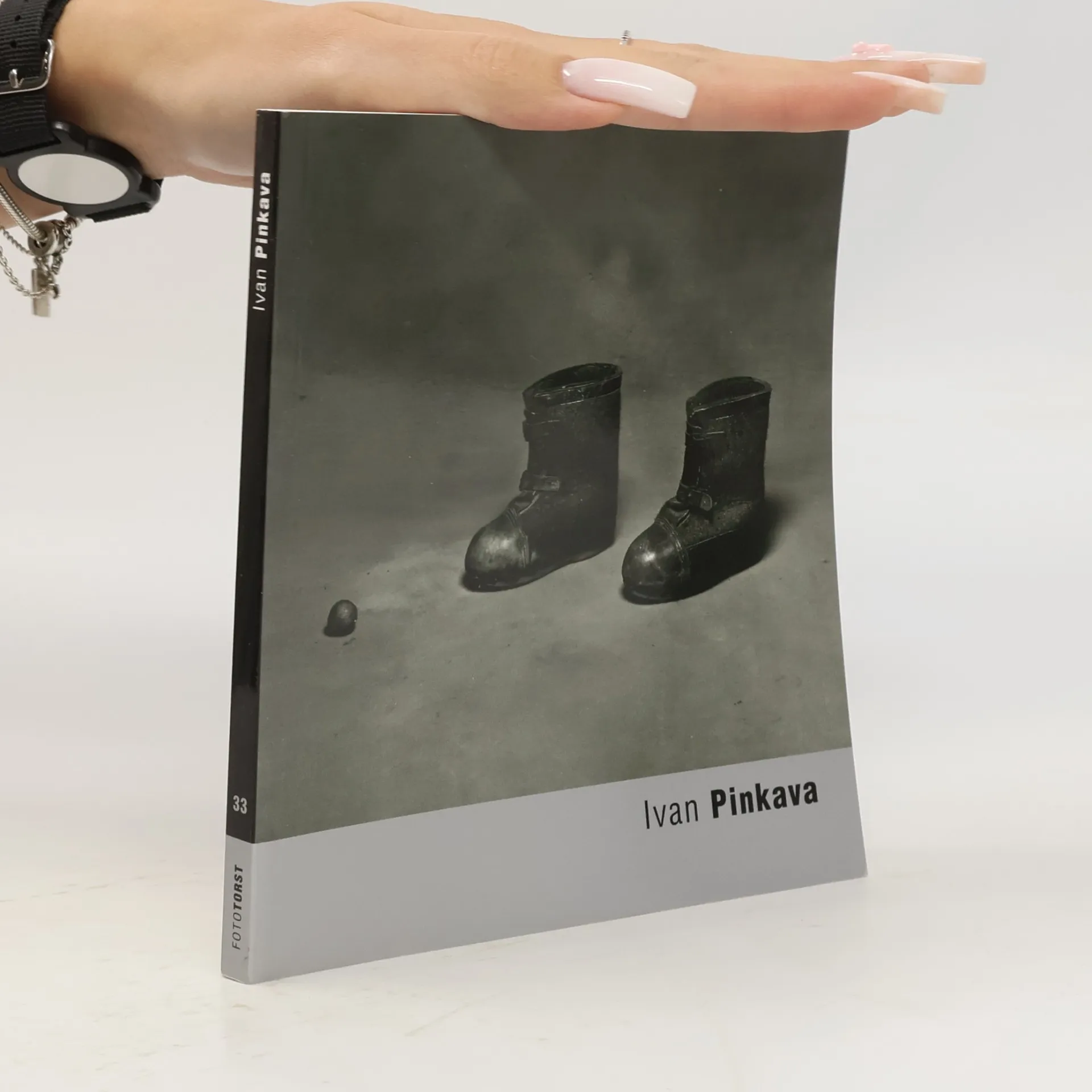
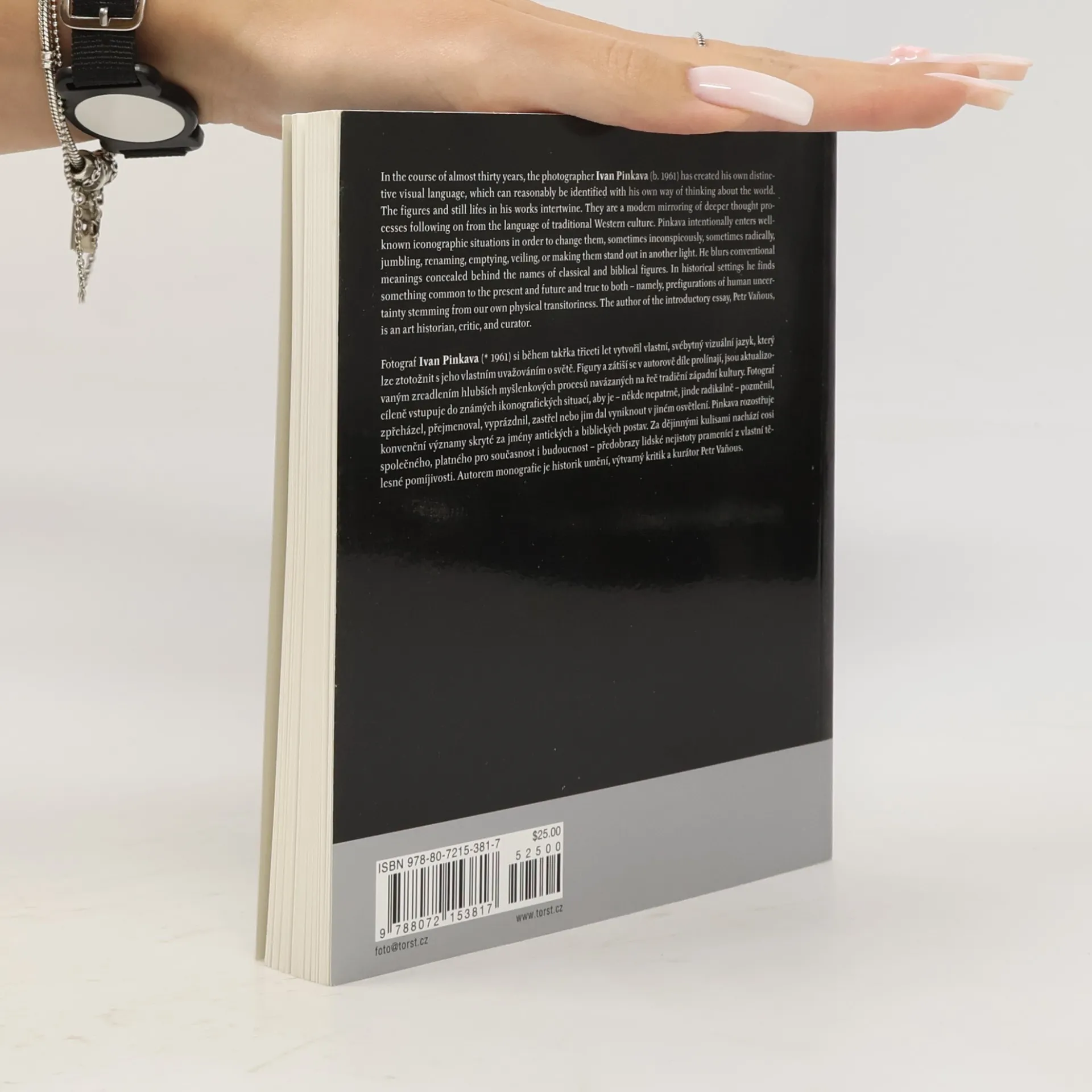
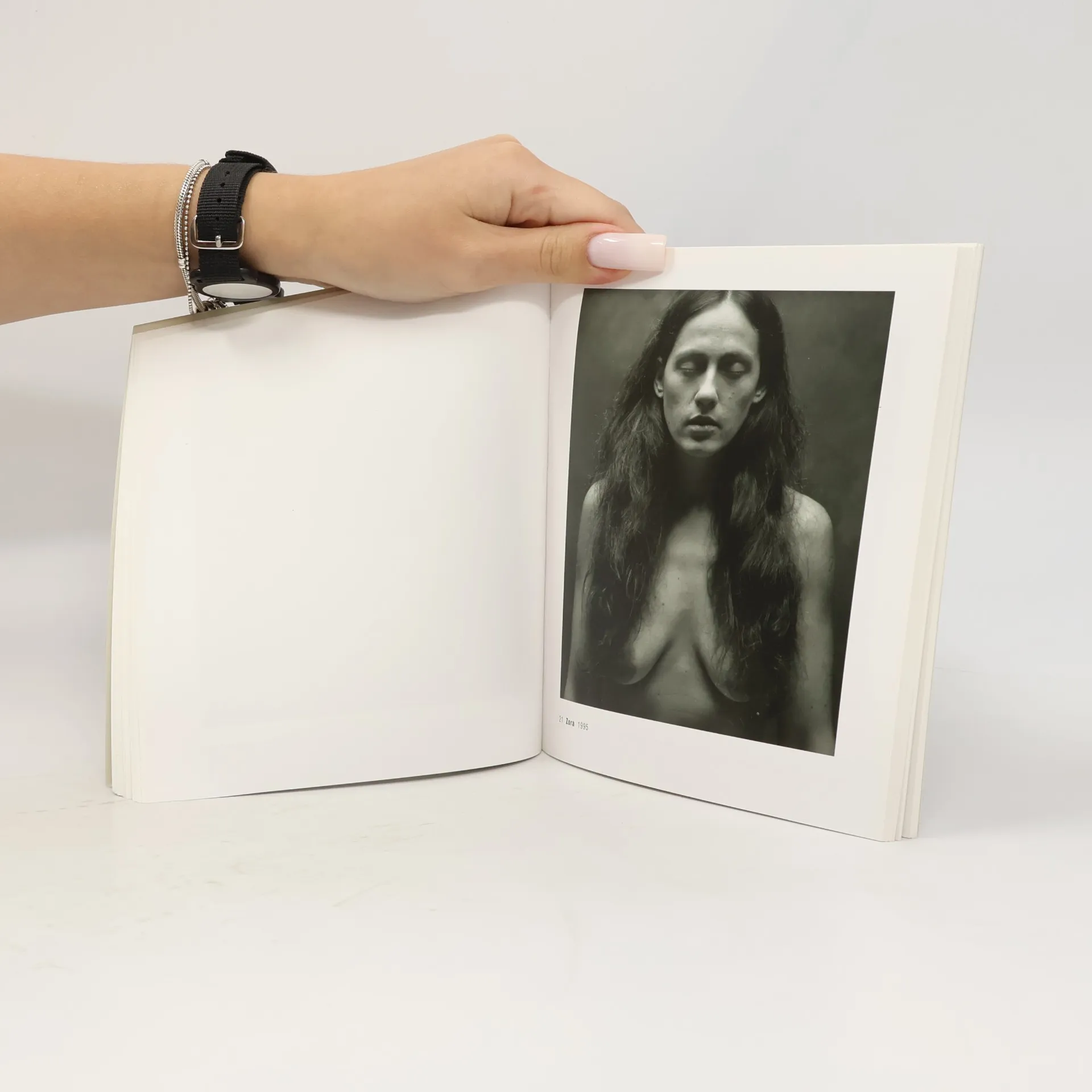
"In the course of almost thirty years, the photographer Ivan Pinkava (b. 1961) has created his own distinctive visual language, which can reasonably identified with his own way of thinking about the world. The figures and still lifes in his works intertwine. . They are a modern mirroring of deeper thought processes following on from the language of traditional Western culture. Pinkava intentionally enters well-known iconographic situations in order to change them, sometimes inconspicuously, sometimes radically, jumbling, renaming, emptying, veiling, or making them stand out in another light. He blurs conventional meanings concealed behind the names of classical and biblical figures. In historical settings he finds something common to the present and future and true to both - namely, prefigurations of human uncertainty stemming from our own physical transitoriness. The author of the introductory essay, Petr Vaňous, is an art historian, critic, and curator."--P. 4 of cover.
Book purchase
Ivan Pinkava, Ivan Pinkava, Petr Vaňous
- Language


- Released
- 2009
- Binding
- (Paperback),
- Book condition
- Very Good
- Price
- €10.89
Payment methods
We’re missing your review here.
- Title
- Ivan Pinkava
- Language
- Czech, English
- Authors
- Ivan Pinkava, Petr Vaňous
- Publisher
- TORST
- Released
- 2009
- Format
- Paperback
- ISBN10
- 8072153811
- ISBN13
- 9788072153817
- Series
- Collection
- FotoTorst
- Tags
- Art
- Rating
- 4 out of 5
- Description
- "In the course of almost thirty years, the photographer Ivan Pinkava (b. 1961) has created his own distinctive visual language, which can reasonably identified with his own way of thinking about the world. The figures and still lifes in his works intertwine. . They are a modern mirroring of deeper thought processes following on from the language of traditional Western culture. Pinkava intentionally enters well-known iconographic situations in order to change them, sometimes inconspicuously, sometimes radically, jumbling, renaming, emptying, veiling, or making them stand out in another light. He blurs conventional meanings concealed behind the names of classical and biblical figures. In historical settings he finds something common to the present and future and true to both - namely, prefigurations of human uncertainty stemming from our own physical transitoriness. The author of the introductory essay, Petr Vaňous, is an art historian, critic, and curator."--P. 4 of cover.