

More about the book
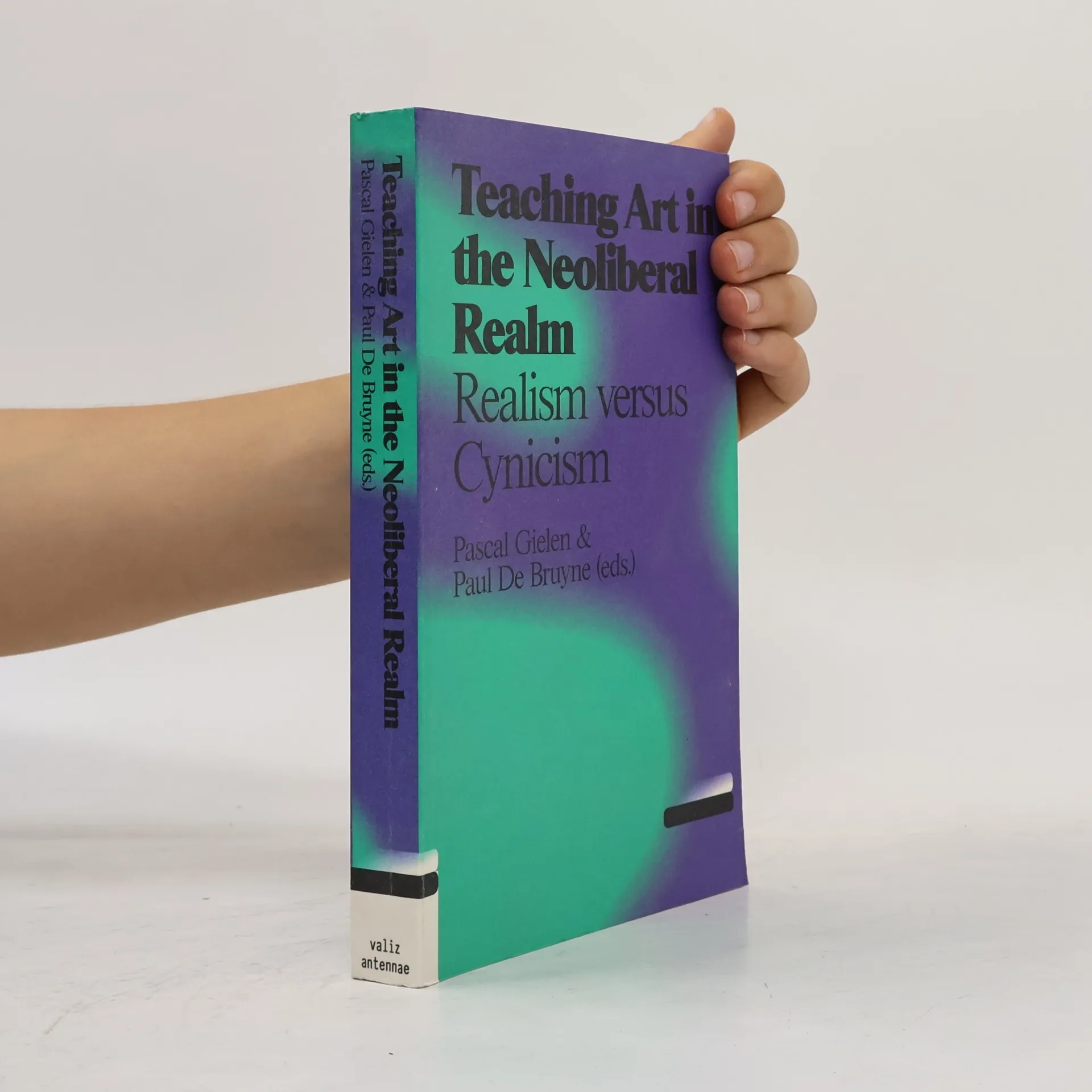
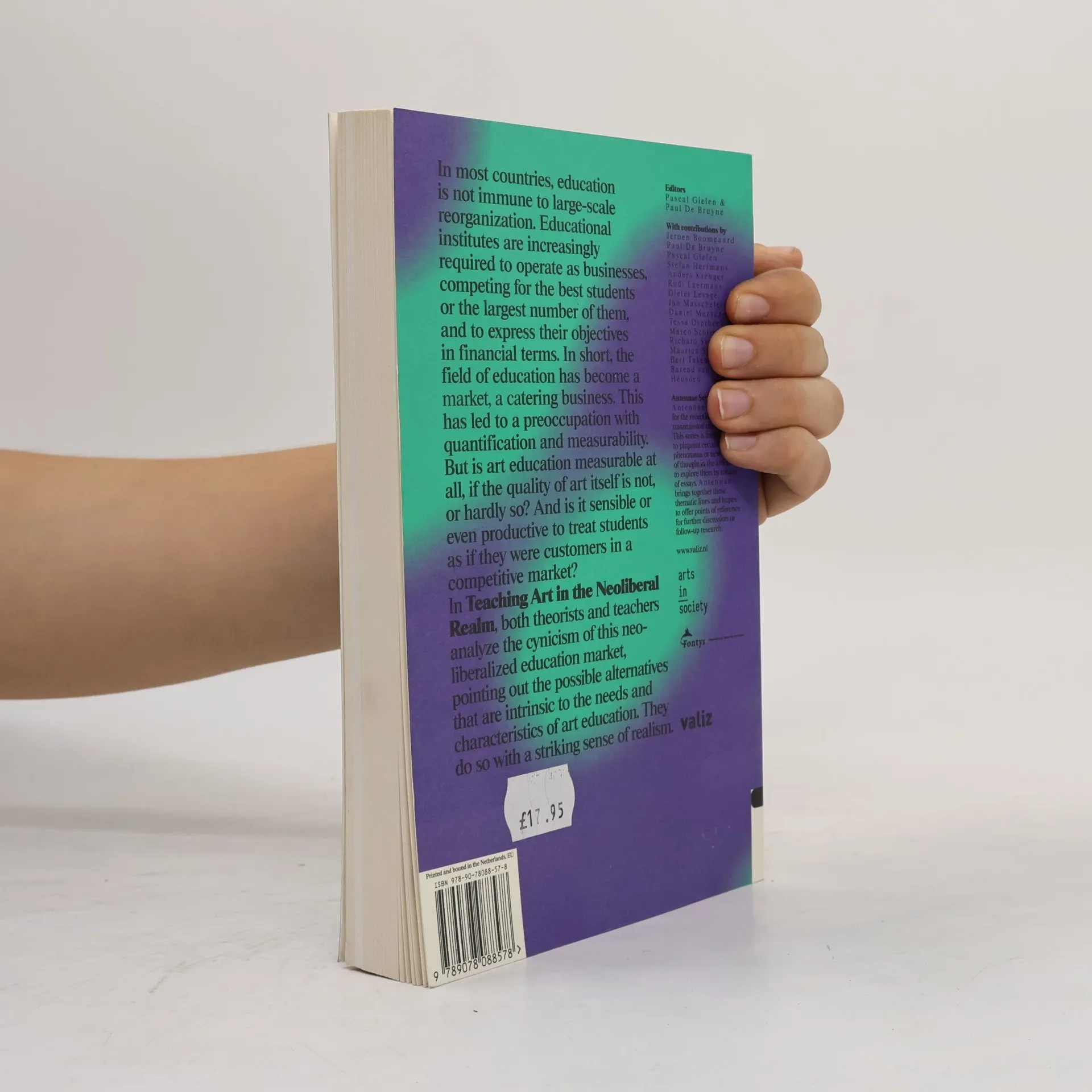
Throughout the world, the educational field is being transformed into a marketplace in which institutions must compete for students, and are called on to assess their cultural contributions in terms of finance and management. Is there any room left for art in such a system? Teaching Art in the Neoliberal Realm investigates the wide-scale reorganization of art education in the United States, Europe, Asia, Australia, Latin America, Russia and The Netherlands, and seeks to determine both the current impact and future ramifications of market education on the arts and the artist. Most importantly, it provides prescriptions for a positive direction forward, steering between the cynical big business of the art market and the threatened idealism of classic art education. The thematic chapters, interviews and essays adopt both practical and theoretical approaches, and include such contributors as Richard Sennett, Marco Scotini and Dieter Lesage.
Book purchase
Teaching Art in the Neoliberal Realm, Pascal Gielen, Paul De Bruyne
- Language

- Released
- 2012
- Binding
- (Paperback)
Payment methods
No one has rated yet.
- Title
- Teaching Art in the Neoliberal Realm
- Language
- English
- Authors
- Pascal Gielen, Paul De Bruyne
- Publisher
- VALIZ
- Released
- 2012
- Format
- Paperback
- Pages
- 288
- ISBN10
- 9078088575
- ISBN13
- 9789078088578
- Series
- Categories
- Tags
- World Literature
- Description
- Throughout the world, the educational field is being transformed into a marketplace in which institutions must compete for students, and are called on to assess their cultural contributions in terms of finance and management. Is there any room left for art in such a system? Teaching Art in the Neoliberal Realm investigates the wide-scale reorganization of art education in the United States, Europe, Asia, Australia, Latin America, Russia and The Netherlands, and seeks to determine both the current impact and future ramifications of market education on the arts and the artist. Most importantly, it provides prescriptions for a positive direction forward, steering between the cynical big business of the art market and the threatened idealism of classic art education. The thematic chapters, interviews and essays adopt both practical and theoretical approaches, and include such contributors as Richard Sennett, Marco Scotini and Dieter Lesage.