



More about the book
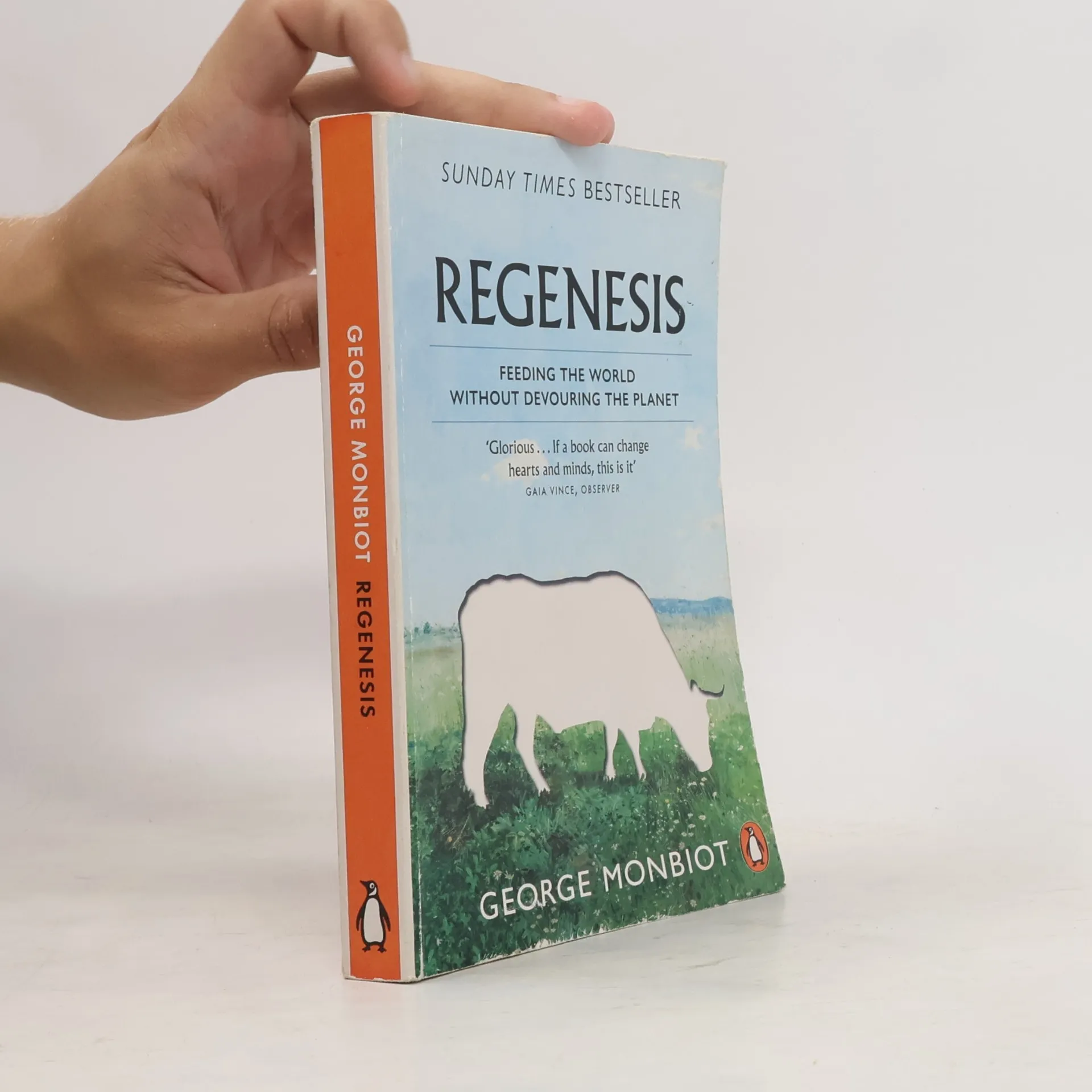
A New Statesman and Spectator Book of the Year, this thought-provoking work calls for a revolution in our food systems. Farming, the leading cause of environmental destruction, is often overlooked in discussions about land use, as it occupies thirty times more land than urban sprawl. The relentless ploughing, fencing, and grazing have devastated forests, wildlife, and waterways, all while millions remain hungry. As the food system begins to falter, the author offers a compelling vision for a sustainable future. By exploring groundbreaking advances in soil ecology, he reveals how a deeper understanding of the earth beneath us can enable us to produce more food with less environmental impact. The narrative introduces innovative individuals, including a fruit and vegetable grower transforming fertility concepts, breeders of perennial grains reducing reliance on harmful practices, and scientists developing new methods for growing protein and fat. Together, they illustrate how even the smallest life forms can help us restore the planet's ecosystems, paving the way for a new era of regeneration and harmony with nature. This book is a clarion call for change, challenging us to rethink our relationship with food and the environment.





Book purchase
Regenesis, George Monbiot
- Language

- Released
- 2023
- product-detail.submit-box.info.binding
- (Paperback),
- Book condition
- Good
- Price
- €5.59
Payment methods
We’re missing your review here.
- Title
- Regenesis
- Subtitle
- Feeding the World without Devouring the Planet
- Language
- English
- Authors
- George Monbiot
- Publisher
- Penguin Books Ltd
- Released
- 2023
- Format
- Paperback
- Pages
- 352
- ISBN10
- 0141992999
- ISBN13
- 9780141992990
- Series
- Tags
- Non-Fiction, Science & Math, Nature, Science, Food, Environmental Themes, Ecology, Gifts for women, Sustainability, Climate Change
- Rating
- 4.4 out of 5
- Description
- A New Statesman and Spectator Book of the Year, this thought-provoking work calls for a revolution in our food systems. Farming, the leading cause of environmental destruction, is often overlooked in discussions about land use, as it occupies thirty times more land than urban sprawl. The relentless ploughing, fencing, and grazing have devastated forests, wildlife, and waterways, all while millions remain hungry. As the food system begins to falter, the author offers a compelling vision for a sustainable future. By exploring groundbreaking advances in soil ecology, he reveals how a deeper understanding of the earth beneath us can enable us to produce more food with less environmental impact. The narrative introduces innovative individuals, including a fruit and vegetable grower transforming fertility concepts, breeders of perennial grains reducing reliance on harmful practices, and scientists developing new methods for growing protein and fat. Together, they illustrate how even the smallest life forms can help us restore the planet's ecosystems, paving the way for a new era of regeneration and harmony with nature. This book is a clarion call for change, challenging us to rethink our relationship with food and the environment.