

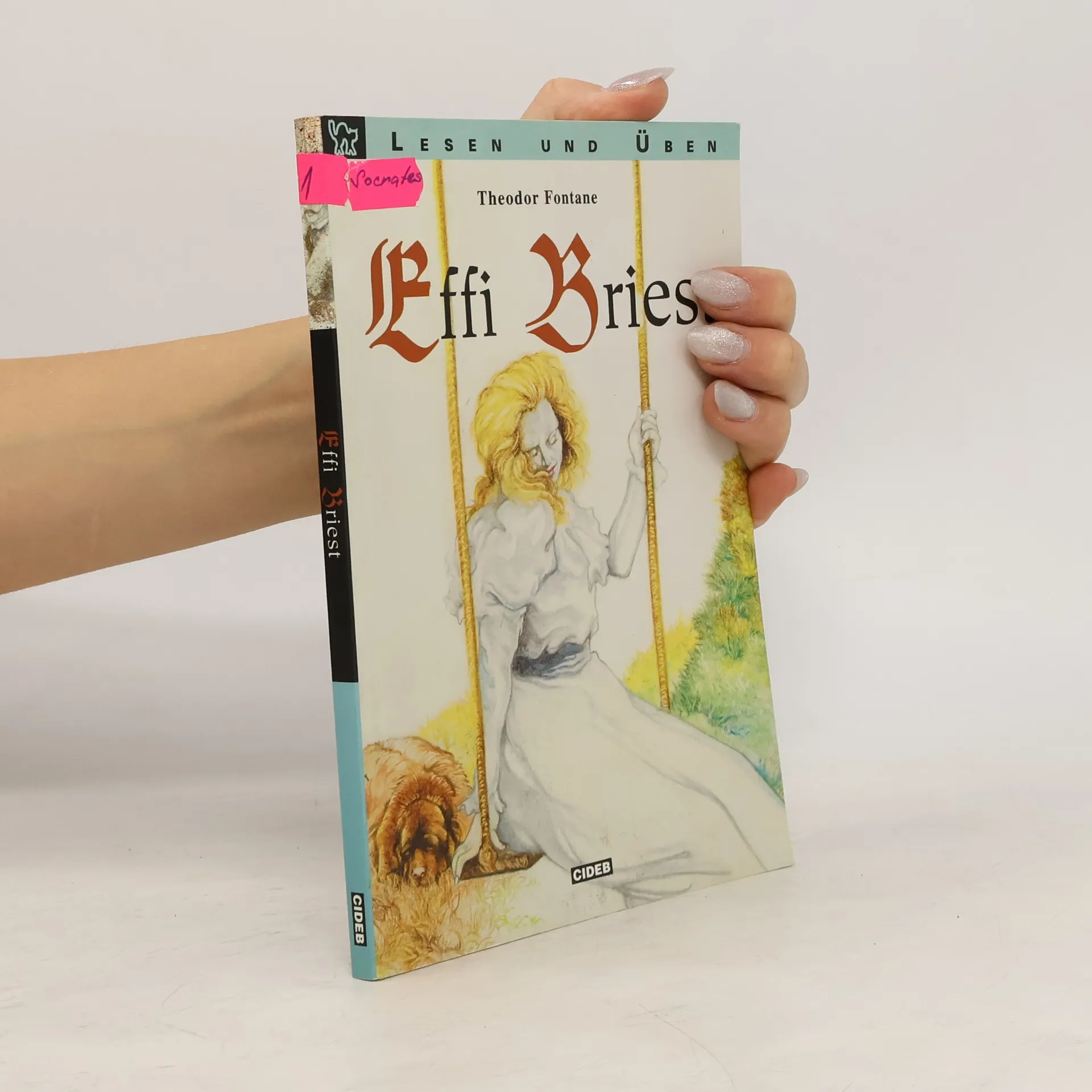
Parameters
- 158 pages
- 6 hours of reading
More about the book
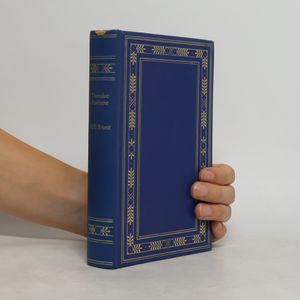
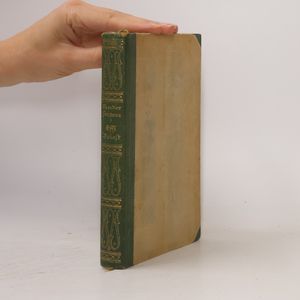
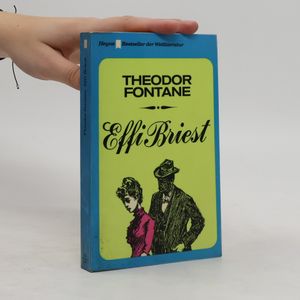
Telling the tragic tale of a socially advantageous but emotionally ruinous match, this novel, translated by Hugh Rorrison with an introduction by Helen Chambers, explores the life of young Effi Briest. Married to the austere and ambitious Baron von Innstetten, who is twice her age, Effi finds herself isolated and bored. Seeking comfort, she engages in a brief affair with the married Major Crampas, a decision that will haunt her for years. When the past resurfaces, it brings fatal consequences. Through taut, ironic prose, the author depicts a world where sexuality and the desire for enjoyment are stifled by societal pretenses and obligations. This work presents a humane, unsentimental portrait of a woman torn between her roles as a wife and mother and her own desires. Rorrison's modern translation is complemented by Chambers' introduction, which draws parallels between Effi and other literary heroines like Emma Bovary and Anna Karenina. The author, a notable German novelist and political reporter, is also remembered for his ironic critique of middle-class hypocrisy in another work. Readers who appreciated this novel may also enjoy Tolstoy's Anna Karenina. Hermione Lee from the Sunday Times describes it as a haunting experience, evoking strong, unaccountable emotions.


Publication












- 2023

- 2023
- 2022
- 2022
- 2022


- 2021
- 2020
- 2020
- 2020







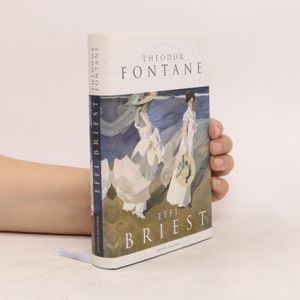






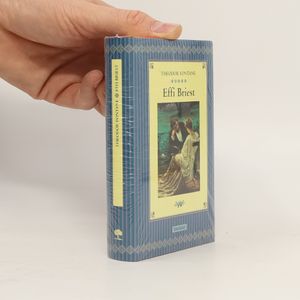
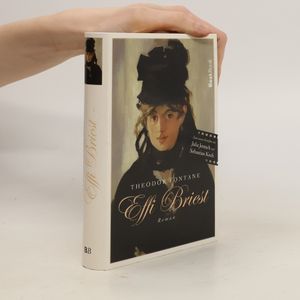
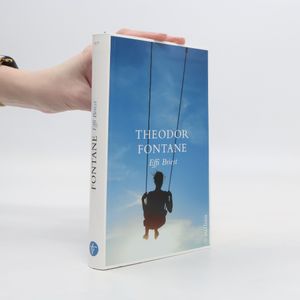







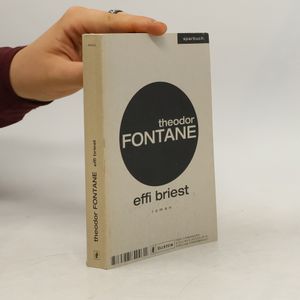







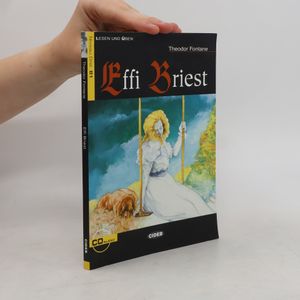
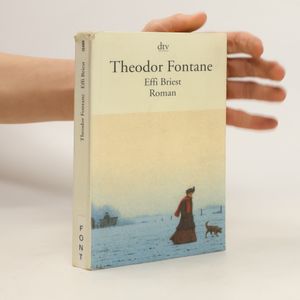
















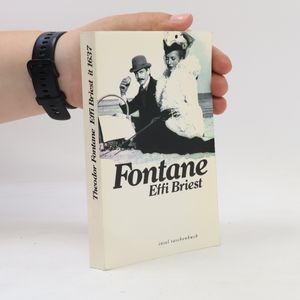


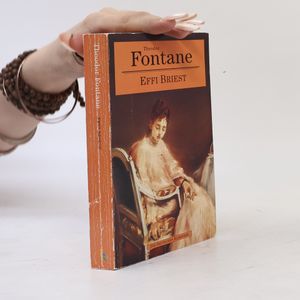


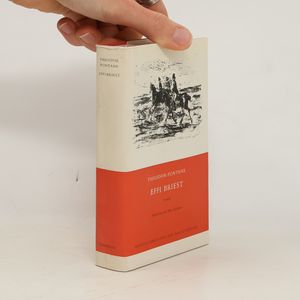









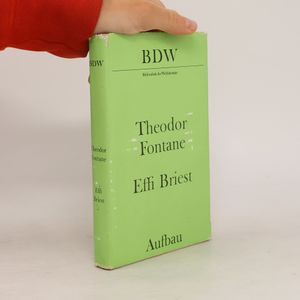

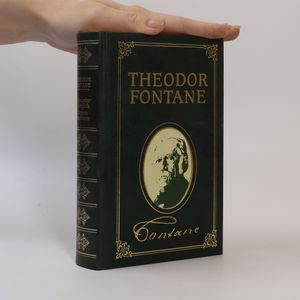







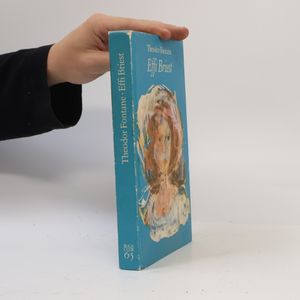


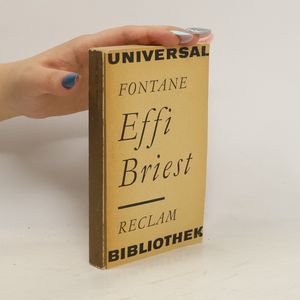




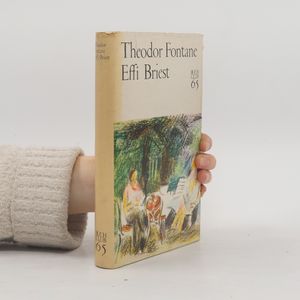

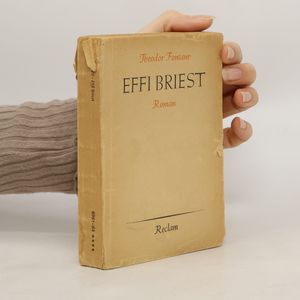





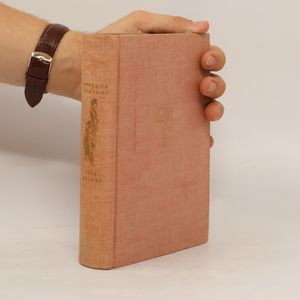
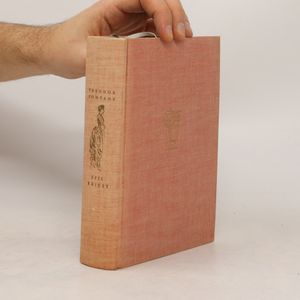


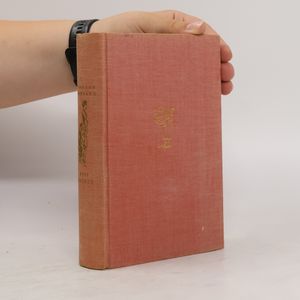

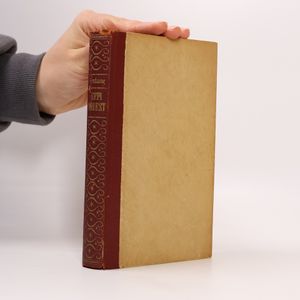




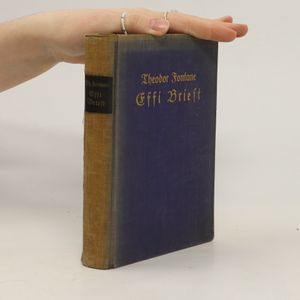
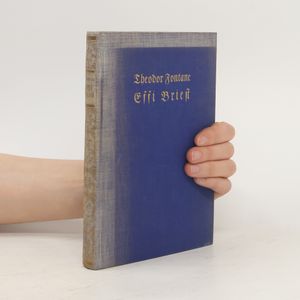



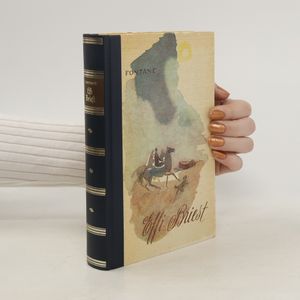


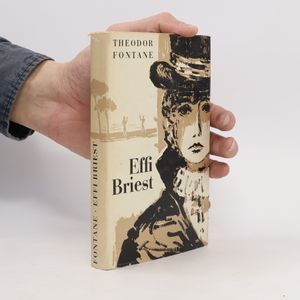


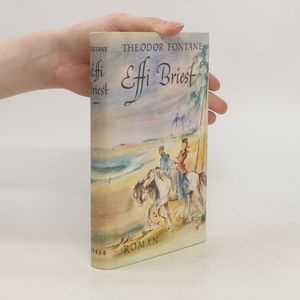





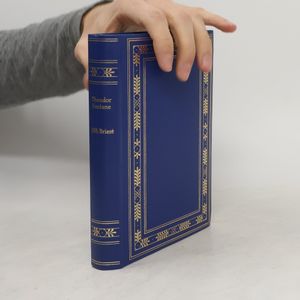


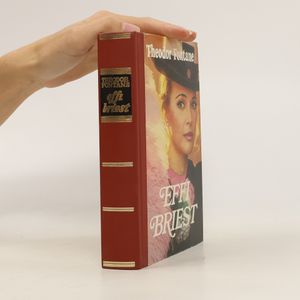

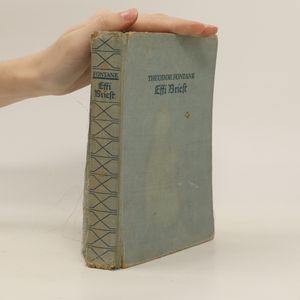




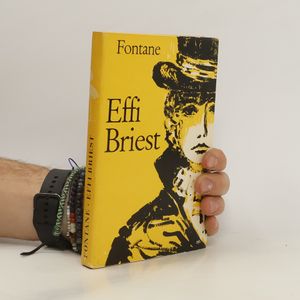


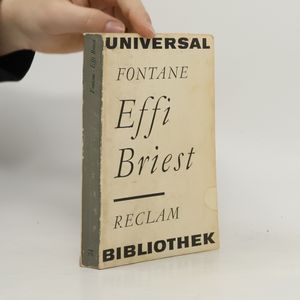



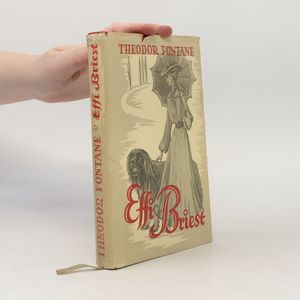

















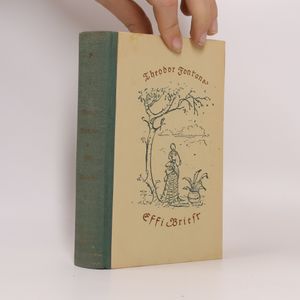




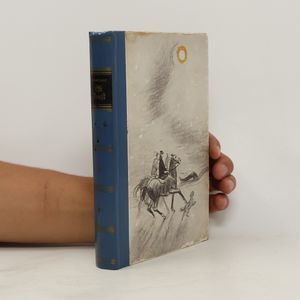





Book purchase
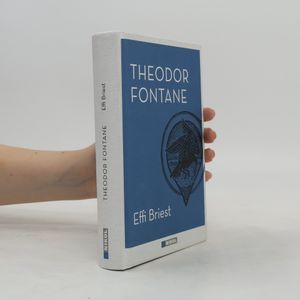
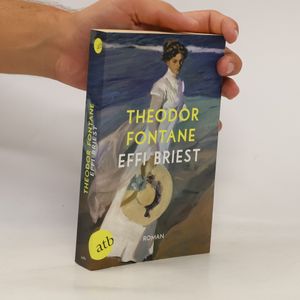
Effi Briest, Theodor Fontane, Achim Seiffarth
- Language

- Released
- 1999
- product-detail.submit-box.info.binding
- (Paperback)
Payment methods
We’re missing your review here.
- Title
- Effi Briest
- Language
- German
- Authors
- Theodor Fontane, Achim Seiffarth
- Publisher
- Cideb
- Released
- 1999
- Format
- Paperback
- Pages
- 158
- ISBN10
- 8877542047
- ISBN13
- 9788877542045
- Series
- Tags
- Fiction, Historical Themes, Poetry, Philosophical Topics, Love, German Literature, Classics, Germany, 19th century
- First published
- 1872
- Original title
- Бесы
- Rating
- 3.05 out of 5
- Description
- Telling the tragic tale of a socially advantageous but emotionally ruinous match, this novel, translated by Hugh Rorrison with an introduction by Helen Chambers, explores the life of young Effi Briest. Married to the austere and ambitious Baron von Innstetten, who is twice her age, Effi finds herself isolated and bored. Seeking comfort, she engages in a brief affair with the married Major Crampas, a decision that will haunt her for years. When the past resurfaces, it brings fatal consequences. Through taut, ironic prose, the author depicts a world where sexuality and the desire for enjoyment are stifled by societal pretenses and obligations. This work presents a humane, unsentimental portrait of a woman torn between her roles as a wife and mother and her own desires. Rorrison's modern translation is complemented by Chambers' introduction, which draws parallels between Effi and other literary heroines like Emma Bovary and Anna Karenina. The author, a notable German novelist and political reporter, is also remembered for his ironic critique of middle-class hypocrisy in another work. Readers who appreciated this novel may also enjoy Tolstoy's Anna Karenina. Hermione Lee from the Sunday Times describes it as a haunting experience, evoking strong, unaccountable emotions.