



Parameters
More about the book
This work offers a unique perspective on the rise of capitalism and socialism and the effect of the Reformation. Specific topics include consequences of belief in the private judgment of scriptures; separation of spiritual and secular life; difference between Lutheran and Calvinist teachings on economics; the Calvinist concept of vocation; its perception of material success as a sign of divine election; its praise of frugality and disdain for beauty. Also covered is socialism as a reaction to excesses of capitalism; the manner in which Protestantism had strengthened secular authority; diminuation of charity toward the poor following Reformation; materialism underlying socialism abetted by Protestant emphasis on earthly prosperity; egalitarian ideas traceable to Protestantism; and the ease with which socialism blended into Protestant thought. This is a unique work of economic philosophy in that it examines the ideological causes of the economic changes of the period, thus offering a refreshing philosophical perspective rather than merely the mathematical or statistical sides of the question.
Book purchase
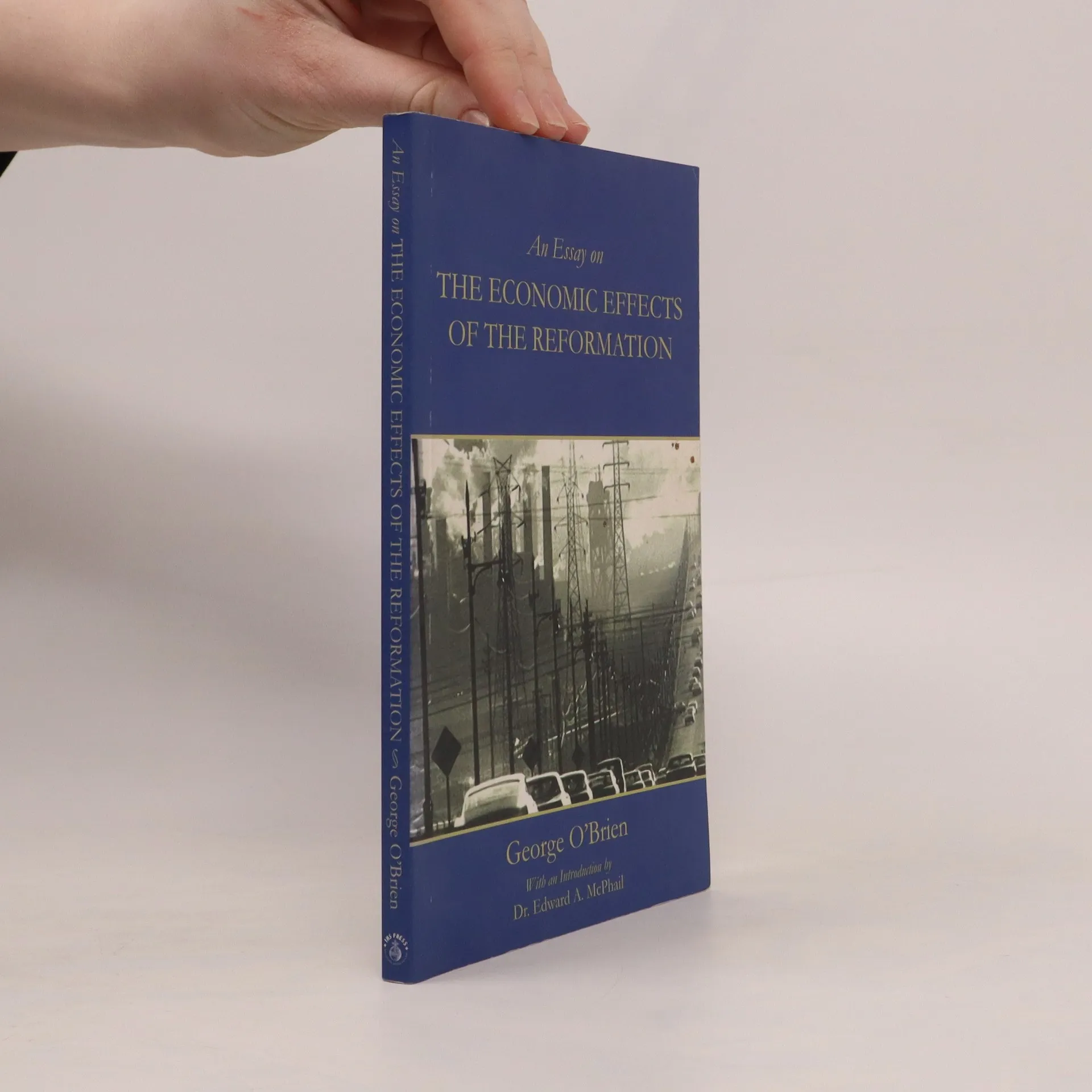
An Essay on the Economic Effects of the Reformation, George O'Brien
- Language

- Released
- 2003
- Binding
- (Paperback)
Payment methods
We’re missing your review here.
- Title
- An Essay on the Economic Effects of the Reformation
- Language
- English
- Authors
- George O'Brien
- Publisher
- I H S Press
- Released
- 2003
- Format
- Paperback
- ISBN10
- 0971828628
- ISBN13
- 9780971828629
- Series
- Tags
- Business
- Rating
- 3 out of 5
- Description
- This work offers a unique perspective on the rise of capitalism and socialism and the effect of the Reformation. Specific topics include consequences of belief in the private judgment of scriptures; separation of spiritual and secular life; difference between Lutheran and Calvinist teachings on economics; the Calvinist concept of vocation; its perception of material success as a sign of divine election; its praise of frugality and disdain for beauty. Also covered is socialism as a reaction to excesses of capitalism; the manner in which Protestantism had strengthened secular authority; diminuation of charity toward the poor following Reformation; materialism underlying socialism abetted by Protestant emphasis on earthly prosperity; egalitarian ideas traceable to Protestantism; and the ease with which socialism blended into Protestant thought. This is a unique work of economic philosophy in that it examines the ideological causes of the economic changes of the period, thus offering a refreshing philosophical perspective rather than merely the mathematical or statistical sides of the question.