

More about the book
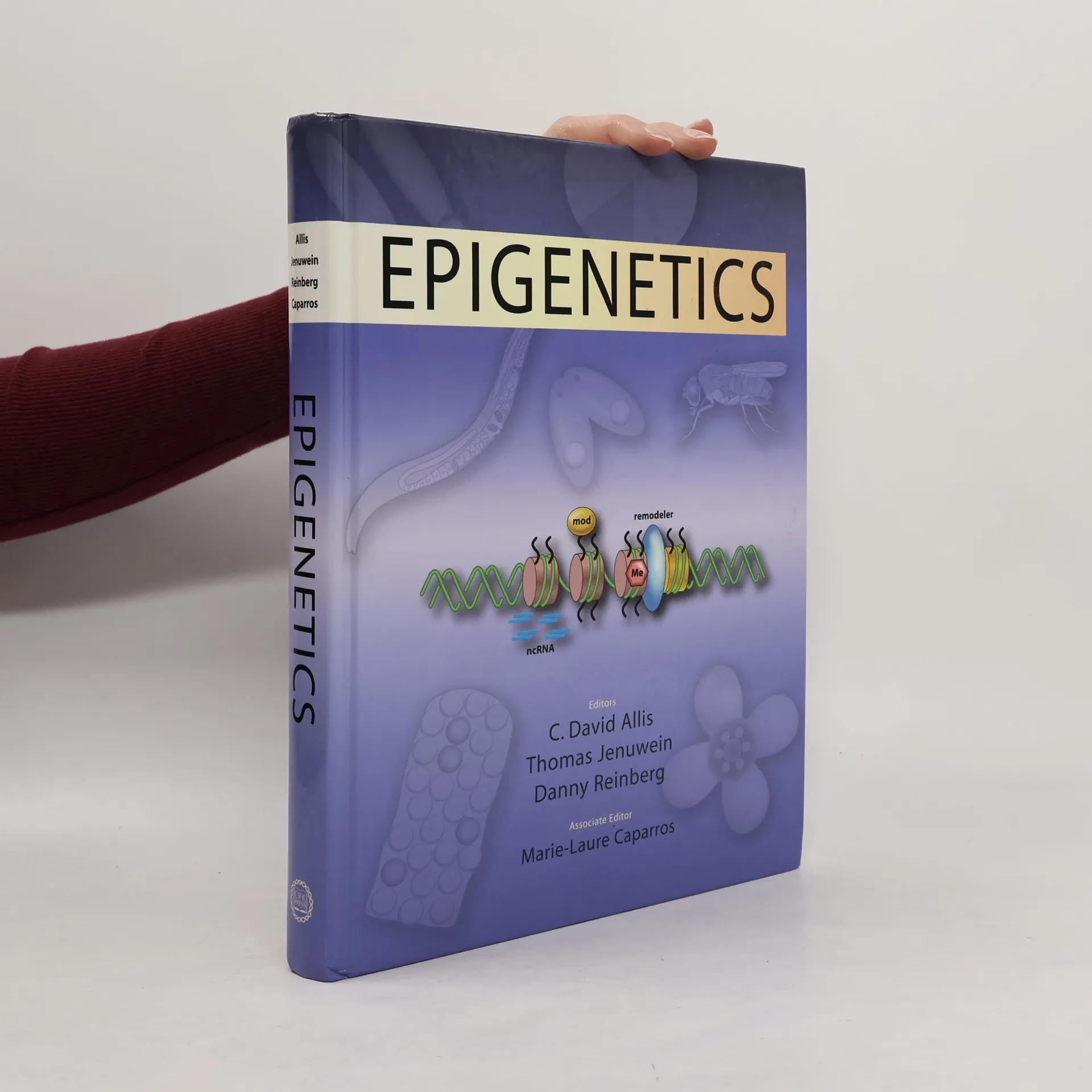
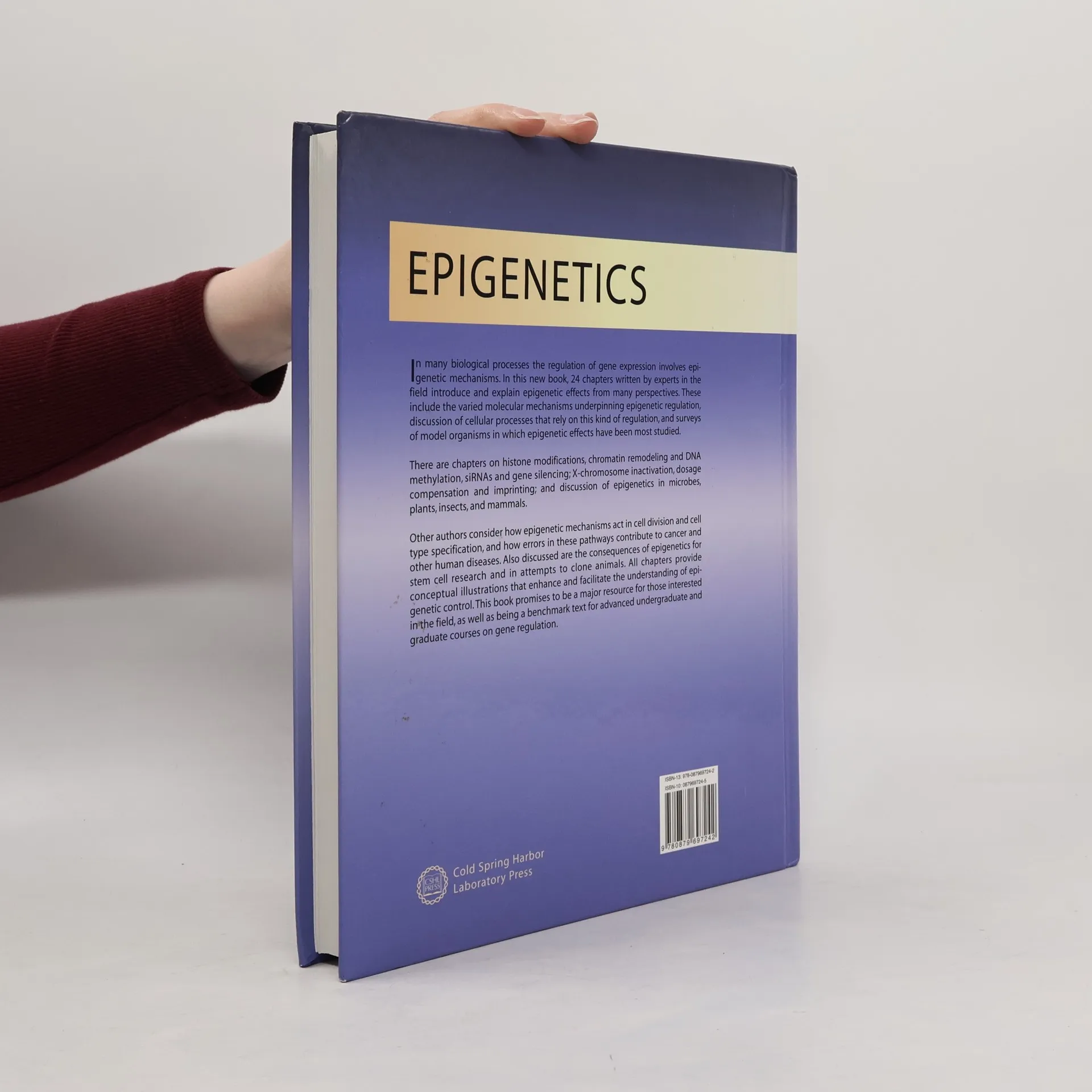
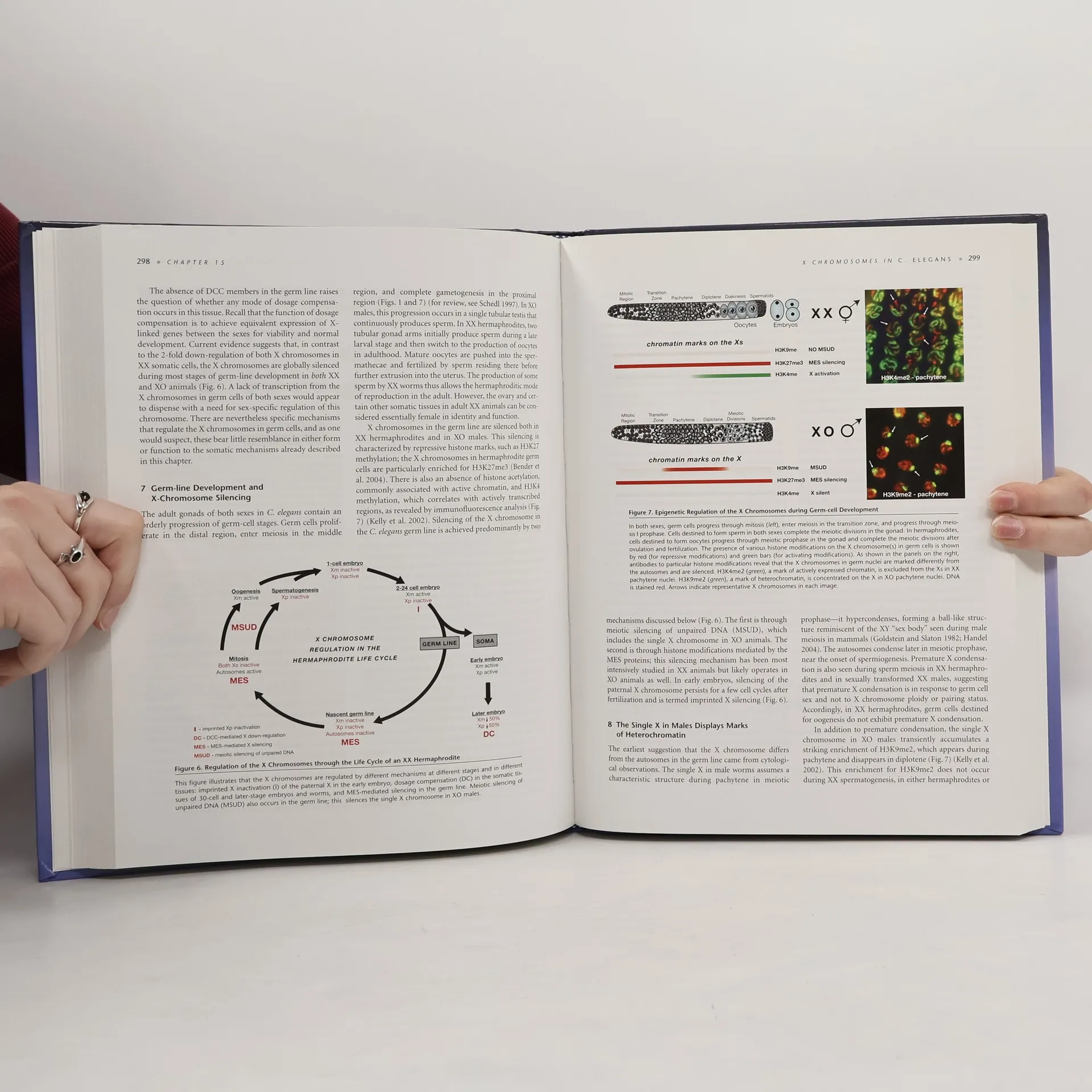
The regulation of gene expression through epigenetic mechanisms is crucial in various biological processes. This volume features 24 chapters authored by experts, exploring epigenetic effects from multiple angles. It covers fundamental molecular mechanisms of epigenetic regulation, cellular processes dependent on such regulation, and surveys of organisms where these mechanisms are extensively studied. Topics include histone and DNA methylation, siRNAs and gene silencing, X-chromosome inactivation, dosage compensation, and imprinting. Additionally, the book examines epigenetics in microbes, plants, insects, and mammals. The latter sections focus on the role of epigenetic mechanisms in cell division and differentiation, as well as the implications of errors in these pathways for cancer and other diseases. The book also addresses the consequences of epigenetics in animal cloning efforts. This comprehensive resource is invaluable for professionals in the field and serves as an excellent text for advanced undergraduate and graduate courses on gene regulation.


Book purchase
Epigenetics, C. David Allis, Thomas Jenuwein, Danny Reinberg, Marie-Laure Caparros
- Language

- Released
- 2006
- product-detail.submit-box.info.binding
- (Hardcover),
- Book condition
- Very Good
- Price
- €26.49
Payment methods
No one has rated yet.
- Title
- Epigenetics
- Language
- English
- Publisher
- Cold Spring Harbor Laboratory Press
- Released
- 2006
- Format
- Hardcover
- Pages
- 502
- ISBN10
- 0879697245
- ISBN13
- 9780879697242
- Series
- Description
- The regulation of gene expression through epigenetic mechanisms is crucial in various biological processes. This volume features 24 chapters authored by experts, exploring epigenetic effects from multiple angles. It covers fundamental molecular mechanisms of epigenetic regulation, cellular processes dependent on such regulation, and surveys of organisms where these mechanisms are extensively studied. Topics include histone and DNA methylation, siRNAs and gene silencing, X-chromosome inactivation, dosage compensation, and imprinting. Additionally, the book examines epigenetics in microbes, plants, insects, and mammals. The latter sections focus on the role of epigenetic mechanisms in cell division and differentiation, as well as the implications of errors in these pathways for cancer and other diseases. The book also addresses the consequences of epigenetics in animal cloning efforts. This comprehensive resource is invaluable for professionals in the field and serves as an excellent text for advanced undergraduate and graduate courses on gene regulation.