



Book rating
More about the book
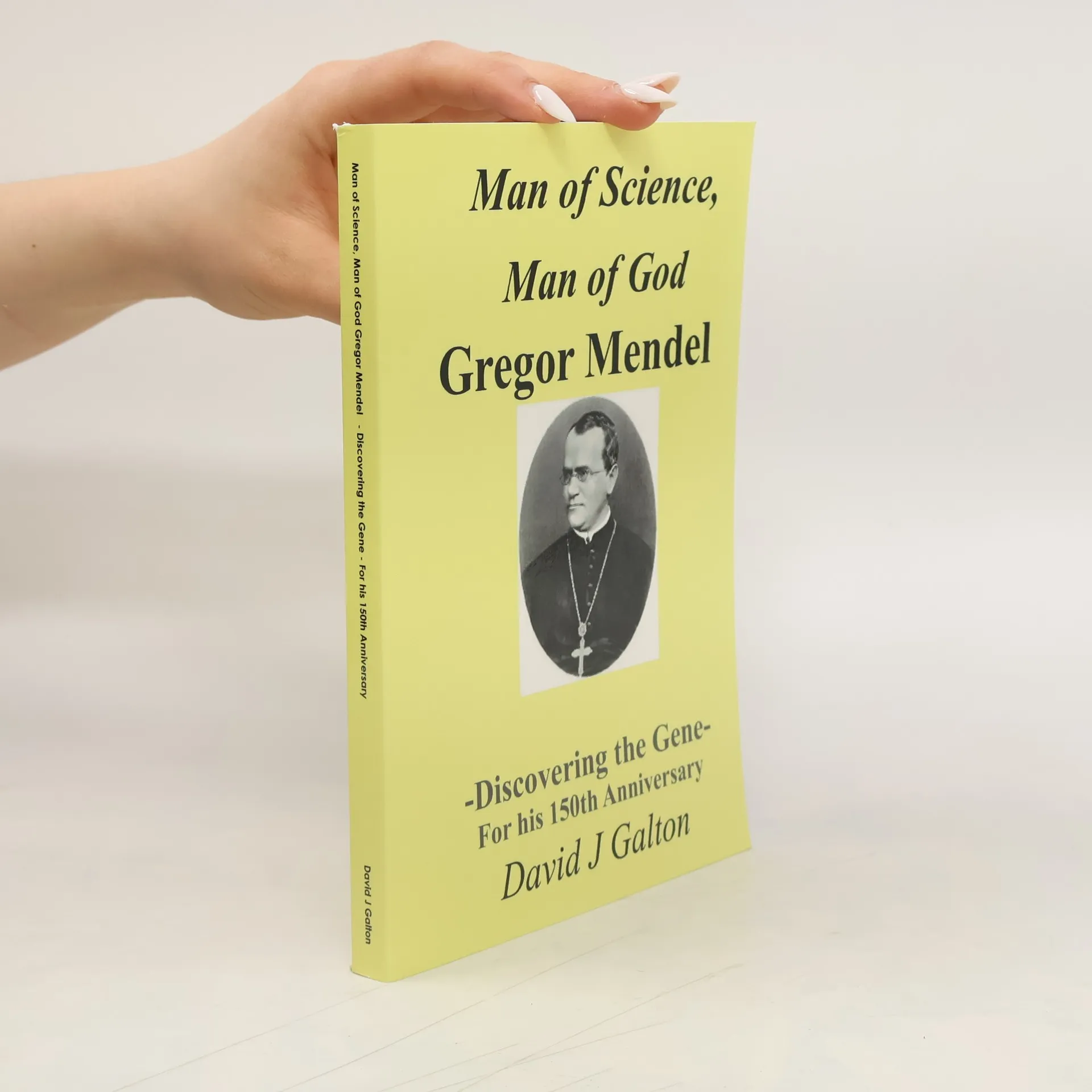
By the mid 19th Century biologists had a big problem to solve - how does heredity work? Charles Darwin (1809-1882) and his cousin Francis Galton (1822-1911) wanted to know because their famous books, The Origin of Species by Natural Selection and Hereditary Genius, only made sense if they understood the basis of inheritance. A lone genius, Gregor Mendel (1822-1884), worked on the inherited of features in hybrids of the edible pea for 8 years, presenting a correct solution in 1865. He was a Catholic monk, priest and later Abbot in the Augustinian Monastery of Brunn, near Vienna. He was able to define the 'gene' and to reveal some of its fundamental properties. It is extraordinary that the talented British team involved in this research, including Charles Darwin, Francis Galton, George Romanes and Karl Pearson all failed to arrive at the truth and this book attempts to explain why.
Book purchase
Man of Science. Man of God. Gregor Mendel, David J .Galton
- Language

- Released
- 2015
- Binding
- (Paperback)
Payment methods
We’re missing your review here.
- Title
- Man of Science. Man of God. Gregor Mendel
- Subtitle
- Discovering the Gene - For His 150thanniversary
- Language
- English
- Authors
- David J .Galton
- Publisher
- Lulu.com
- Released
- 2015
- Format
- Paperback
- Pages
- 242
- ISBN10
- 1326259369
- ISBN13
- 9781326259365
- Series
- Tags
- Rating
- 3 out of 5
- Description
- By the mid 19th Century biologists had a big problem to solve - how does heredity work? Charles Darwin (1809-1882) and his cousin Francis Galton (1822-1911) wanted to know because their famous books, The Origin of Species by Natural Selection and Hereditary Genius, only made sense if they understood the basis of inheritance. A lone genius, Gregor Mendel (1822-1884), worked on the inherited of features in hybrids of the edible pea for 8 years, presenting a correct solution in 1865. He was a Catholic monk, priest and later Abbot in the Augustinian Monastery of Brunn, near Vienna. He was able to define the 'gene' and to reveal some of its fundamental properties. It is extraordinary that the talented British team involved in this research, including Charles Darwin, Francis Galton, George Romanes and Karl Pearson all failed to arrive at the truth and this book attempts to explain why.