

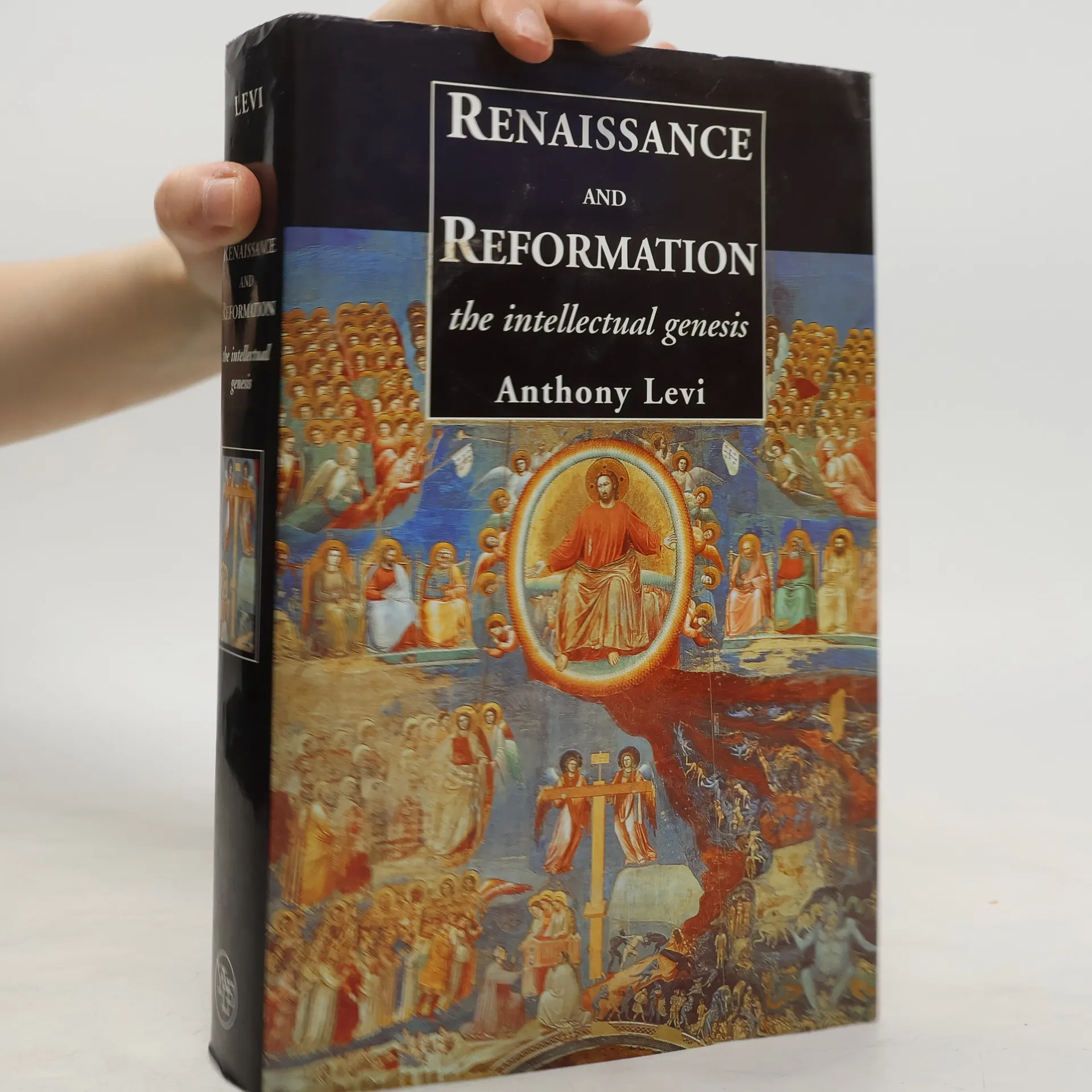


Renaissance and Reformation
The Intellectual Genesis
Authors
More about the book
A survey of the development of European intellectual culture between about 1350 and 1550. Anthony Levi seeks to offer a fresh view of the Renaissance and the Reformation, calling for a reassessment of the nature of both. Through a detailed examination of the significant intellectual, spiritual and ideological developments across Europe during this period, Levi disputes the discontinuities commonly understood to explain and defend the events we term the Renaissance and the Reformation. He argues that the renewed cult of the literary, visual and educational norms of classical antiquity were a consequence - not the essence or cause - of the Renaissance. Further, the Reformation emerged from a cultural movement that neither constituted a historical discontinuity nor led to the catastrophic religious clashes of the 16th century.
Book purchase
Renaissance and Reformation, Levi Anthony
- Language

- Released
- 2002
- Binding
- (Hardcover)
Payment methods
No one has rated yet.
- Title
- Renaissance and Reformation
- Subtitle
- The Intellectual Genesis
- Language
- English
- Authors
- Levi Anthony
- Publisher
- Yale
- Released
- 2002
- Format
- Hardcover
- Pages
- 483
- ISBN10
- 0300093330
- ISBN13
- 9780300093339
- Series
- Categories
- Description
- A survey of the development of European intellectual culture between about 1350 and 1550. Anthony Levi seeks to offer a fresh view of the Renaissance and the Reformation, calling for a reassessment of the nature of both. Through a detailed examination of the significant intellectual, spiritual and ideological developments across Europe during this period, Levi disputes the discontinuities commonly understood to explain and defend the events we term the Renaissance and the Reformation. He argues that the renewed cult of the literary, visual and educational norms of classical antiquity were a consequence - not the essence or cause - of the Renaissance. Further, the Reformation emerged from a cultural movement that neither constituted a historical discontinuity nor led to the catastrophic religious clashes of the 16th century.