

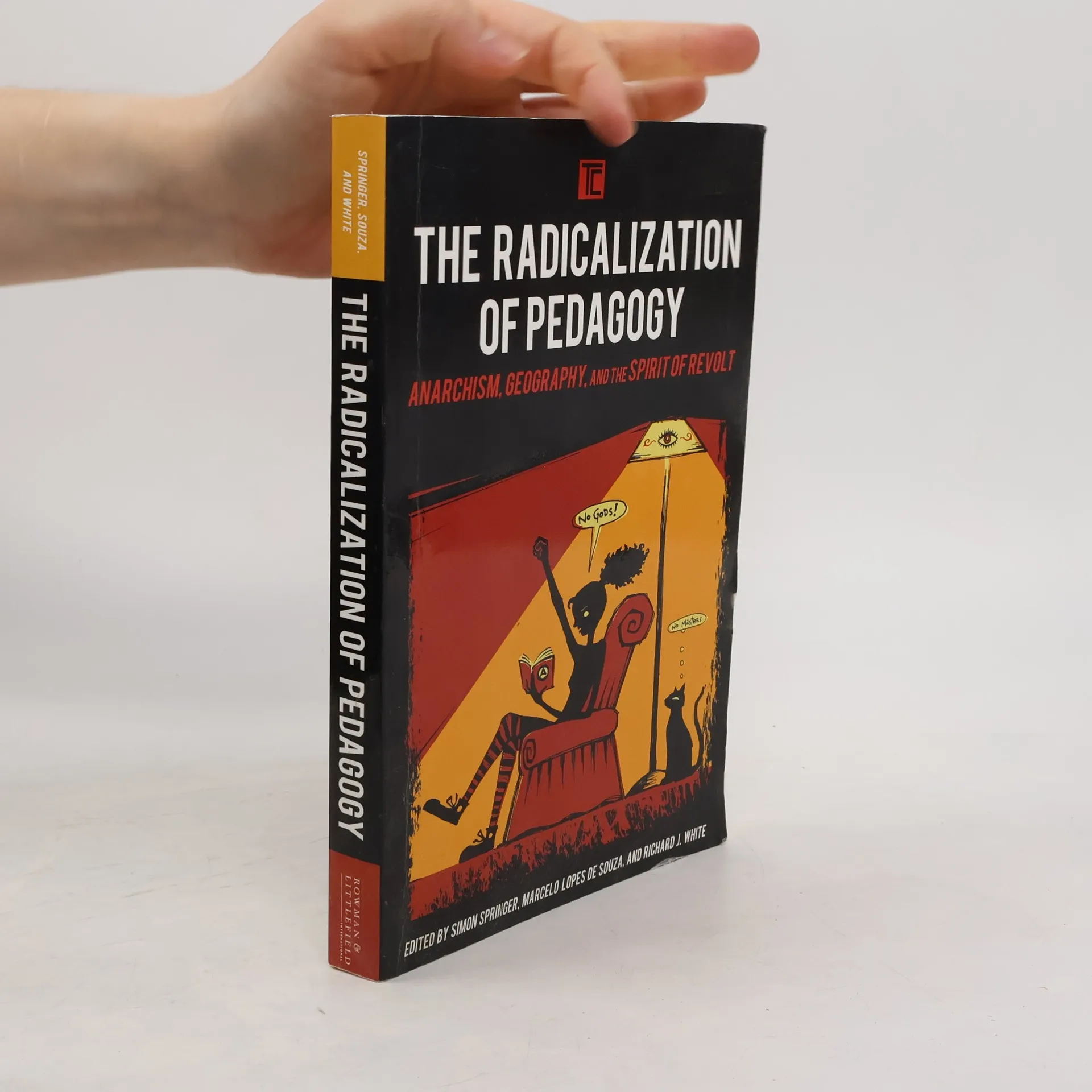
Radicalization of Pedagogy
Anarchism, Geography, and the Spirit of Revolt
Book rating
More about the book
How do activists learn radical politics? Does the increasing neoliberalisation of education limit the possibilities of transgressive pedagogies? And in what contexts have anarchist geographers successfully shaped alternative pedagogic practices? Pedagogy is central to geographical knowledge and represents one of the key sites of contact where anarchist approaches can inform and revitalize contemporary geographical thought. This book looks at how anarchist geographers have shaped pedagogies that move towards bottom-up, 'organic' transformations of societies, spaces, subjectivities, and modes of organizing, where the importance of direct action and prefigurative politics take precedence over concerns about the state
Book purchase
Radicalization of Pedagogy, Marcelo Lopes de Souza, Simon Springer, Richard J White
- Language

- Released
- 2016
- Binding
- (Paperback)
Payment methods
We’re missing your review here.
- Title
- Radicalization of Pedagogy
- Subtitle
- Anarchism, Geography, and the Spirit of Revolt
- Language
- English
- Publisher
- Rowman & Littlefield
- Released
- 2016
- Format
- Paperback
- Pages
- 290
- ISBN10
- 1783486708
- ISBN13
- 9781783486700
- Series
- Categories
- Tags
- Rating
- 2 out of 5
- Description
- How do activists learn radical politics? Does the increasing neoliberalisation of education limit the possibilities of transgressive pedagogies? And in what contexts have anarchist geographers successfully shaped alternative pedagogic practices? Pedagogy is central to geographical knowledge and represents one of the key sites of contact where anarchist approaches can inform and revitalize contemporary geographical thought. This book looks at how anarchist geographers have shaped pedagogies that move towards bottom-up, 'organic' transformations of societies, spaces, subjectivities, and modes of organizing, where the importance of direct action and prefigurative politics take precedence over concerns about the state