

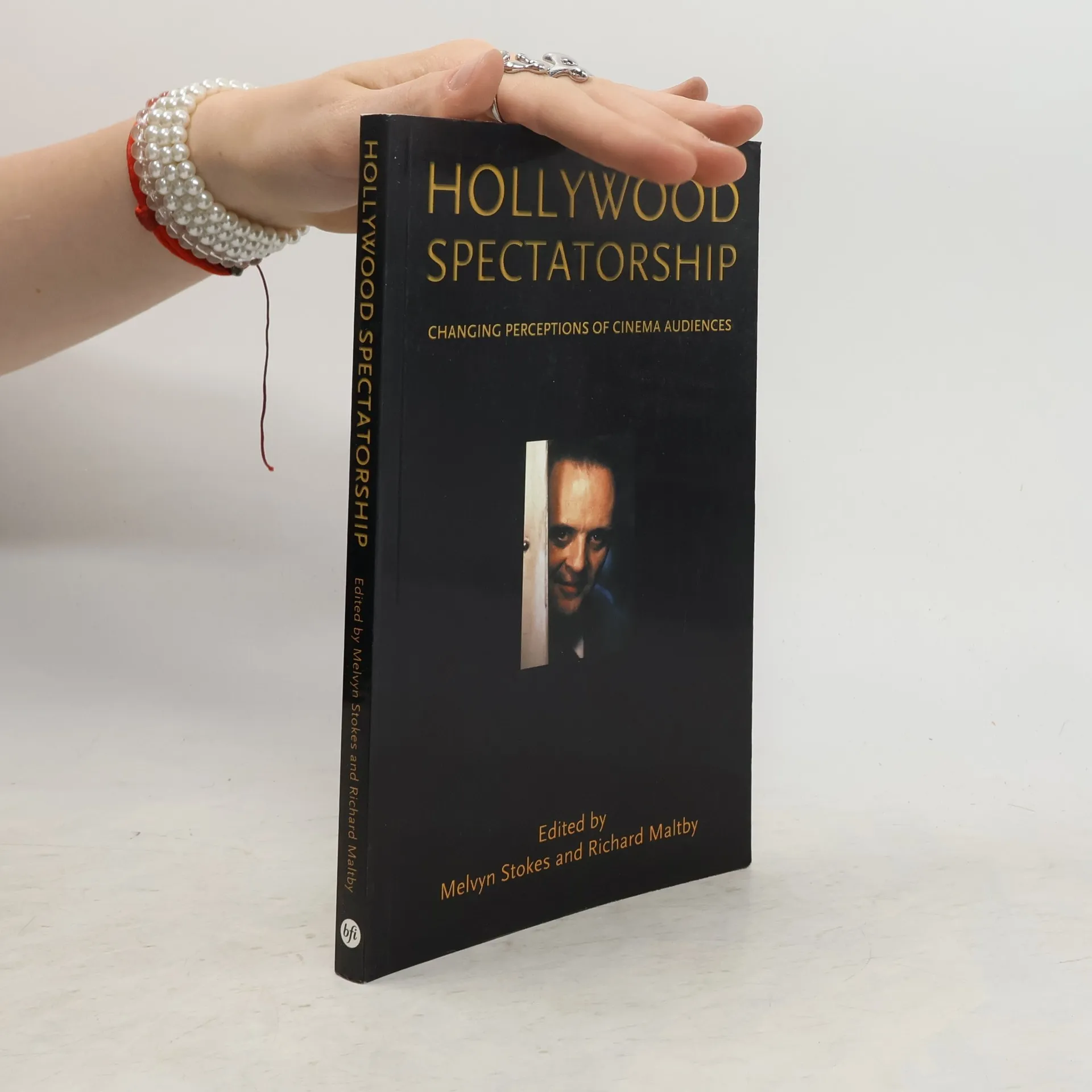


More about the book
Theoretical notions of the cinema spectator have been central to film studies and criticism in recent years. This book re-examines spectatorship concepts through historical accounts of audience reception, investigating how past audiences discussed Hollywood films and how their word-of-mouth influenced individual movies and the industry. International contributors address various topics, including the history of reception studies, genre and cultural authority, audience and promotional discourses, and the impact of censorship on interpretative possibilities. It also delves into race and spectatorship, highlighting how figures like James Baldwin viewed Bette Davis through the lens of their own race and sexuality. The modern spectator is portrayed as a domestic connoisseur, increasingly acting as an auditor rather than just a viewer, with new technologies creating a "hyper-spectator" that challenges traditional concepts of spectatorship and reception. By analyzing films such as The Silence of the Lambs, Fantasia, All About Eve, and On the Beach, it offers a thought-provoking reassessment of the role of spectatorship in film criticism and interpretation.
Book purchase
Hollywood Spectatorship, Melvyn Stokes, Richard Maltby
- Language

- Released
- 2001
- Binding
- (Paperback)
Payment methods
No one has rated yet.
- Title
- Hollywood Spectatorship
- Subtitle
- Changing Perceptions of Cinema Audiences
- Language
- English
- Authors
- Melvyn Stokes, Richard Maltby
- Publisher
- British film institute
- Released
- 2001
- Format
- Paperback
- Pages
- 178
- Series
- Description
- Theoretical notions of the cinema spectator have been central to film studies and criticism in recent years. This book re-examines spectatorship concepts through historical accounts of audience reception, investigating how past audiences discussed Hollywood films and how their word-of-mouth influenced individual movies and the industry. International contributors address various topics, including the history of reception studies, genre and cultural authority, audience and promotional discourses, and the impact of censorship on interpretative possibilities. It also delves into race and spectatorship, highlighting how figures like James Baldwin viewed Bette Davis through the lens of their own race and sexuality. The modern spectator is portrayed as a domestic connoisseur, increasingly acting as an auditor rather than just a viewer, with new technologies creating a "hyper-spectator" that challenges traditional concepts of spectatorship and reception. By analyzing films such as The Silence of the Lambs, Fantasia, All About Eve, and On the Beach, it offers a thought-provoking reassessment of the role of spectatorship in film criticism and interpretation.