


More about the book
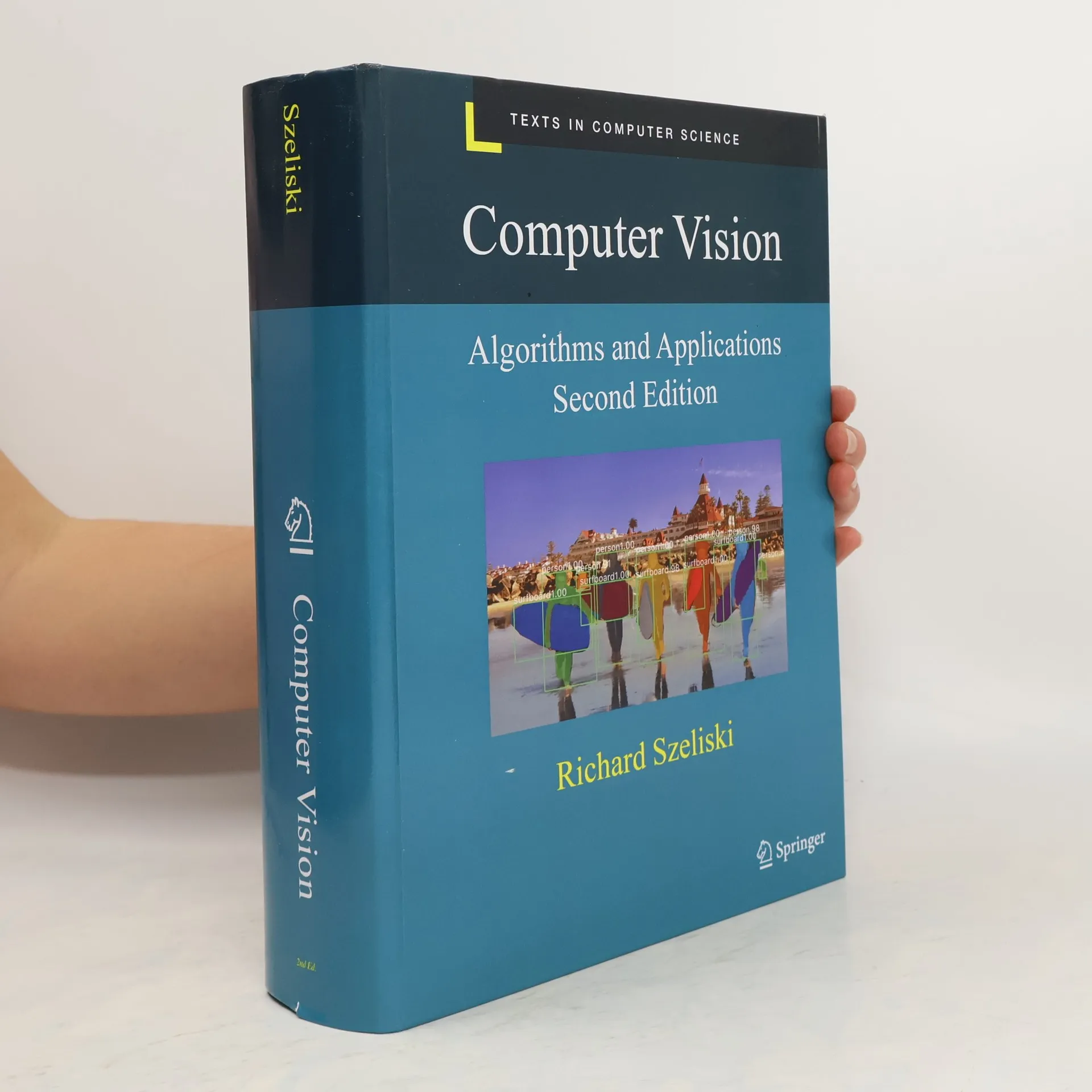
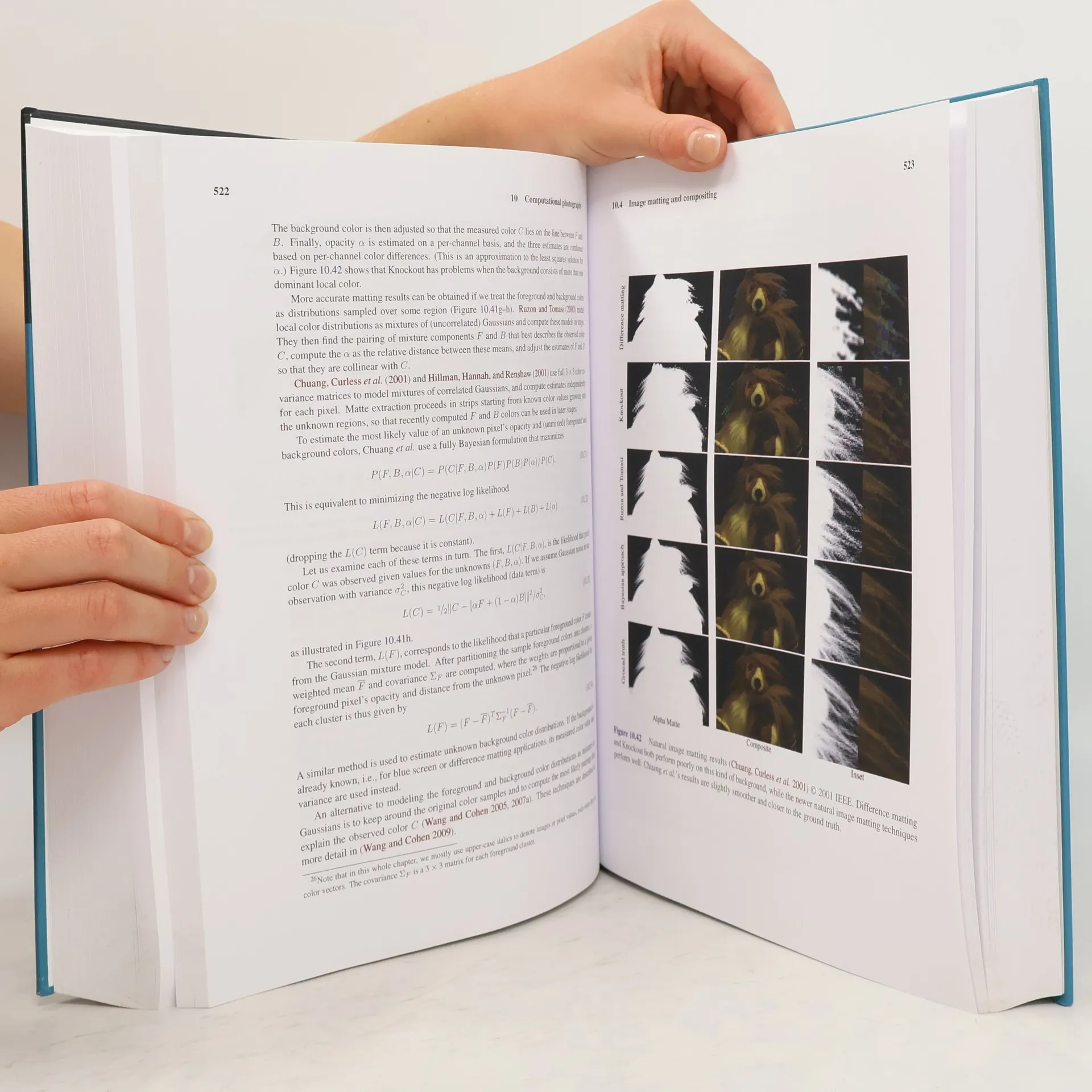
Humans effortlessly perceive the three-dimensional structure of the world, yet achieving similar capabilities in computer vision remains a significant challenge. Despite advancements, a computer's ability to interpret images like a two-year-old is still out of reach. This text delves into various techniques used to analyze and interpret images, highlighting real-world applications in fields like medical imaging and consumer-level tasks such as image editing and stitching. It serves not only as a comprehensive textbook but also adopts a scientific approach to basic vision problems, developing physical models of the imaging process and employing statistical models for solutions. Structured to enhance active learning and project-oriented courses, the book includes tips for customization, exercises at the end of each chapter focused on algorithm testing, and suggestions for mid-term projects. Appendices provide additional material on linear algebra, numerical techniques, and Bayesian estimation theory. Each chapter recommends further reading, featuring the latest research in the field, alongside a full bibliography. With supplementary course material available online, this text is suitable for upper-level undergraduate or graduate courses in computer science or engineering, emphasizing practical techniques and encouraging creative exploration in computer vision.


Book purchase
Computer Vision, Richard Szeliski
- Language

- Released
- 2022
- Binding
- (Hardcover)
Payment methods
We’re missing your review here.
- Title
- Computer Vision
- Subtitle
- Algorithms and Applications
- Language
- English
- Authors
- Richard Szeliski
- Publisher
- Springer
- Released
- 2022
- Format
- Hardcover
- Pages
- 947
- ISBN10
- 3030343715
- ISBN13
- 9783030343712
- Series
- Rating
- 5 out of 5
- Description
- Humans effortlessly perceive the three-dimensional structure of the world, yet achieving similar capabilities in computer vision remains a significant challenge. Despite advancements, a computer's ability to interpret images like a two-year-old is still out of reach. This text delves into various techniques used to analyze and interpret images, highlighting real-world applications in fields like medical imaging and consumer-level tasks such as image editing and stitching. It serves not only as a comprehensive textbook but also adopts a scientific approach to basic vision problems, developing physical models of the imaging process and employing statistical models for solutions. Structured to enhance active learning and project-oriented courses, the book includes tips for customization, exercises at the end of each chapter focused on algorithm testing, and suggestions for mid-term projects. Appendices provide additional material on linear algebra, numerical techniques, and Bayesian estimation theory. Each chapter recommends further reading, featuring the latest research in the field, alongside a full bibliography. With supplementary course material available online, this text is suitable for upper-level undergraduate or graduate courses in computer science or engineering, emphasizing practical techniques and encouraging creative exploration in computer vision.