

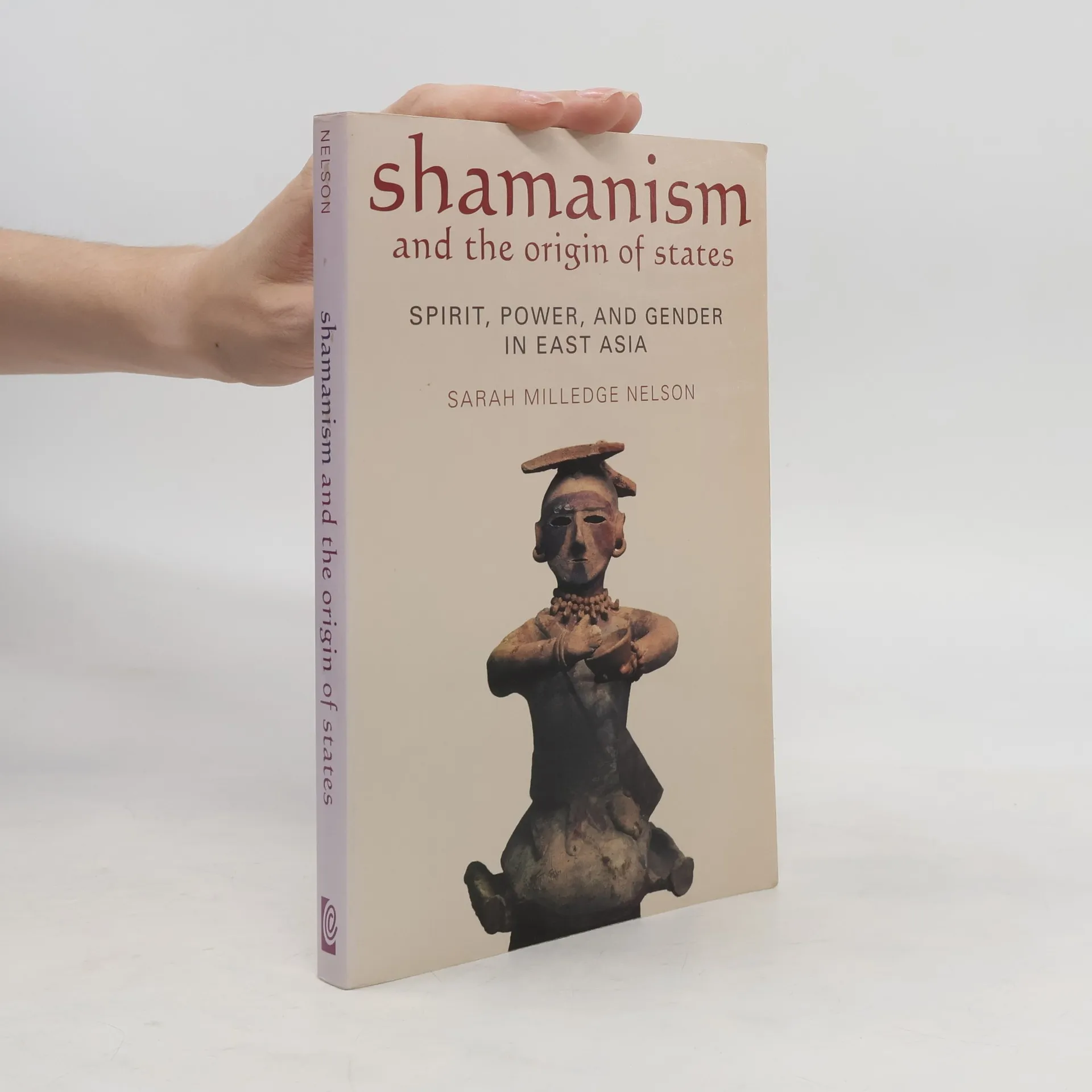
Shamanism and the Origin of States
Spirit, Power, and Gender in East Asia
Authors
Book rating
Parameters
- 304 pages
- 11 hours of reading
More about the book
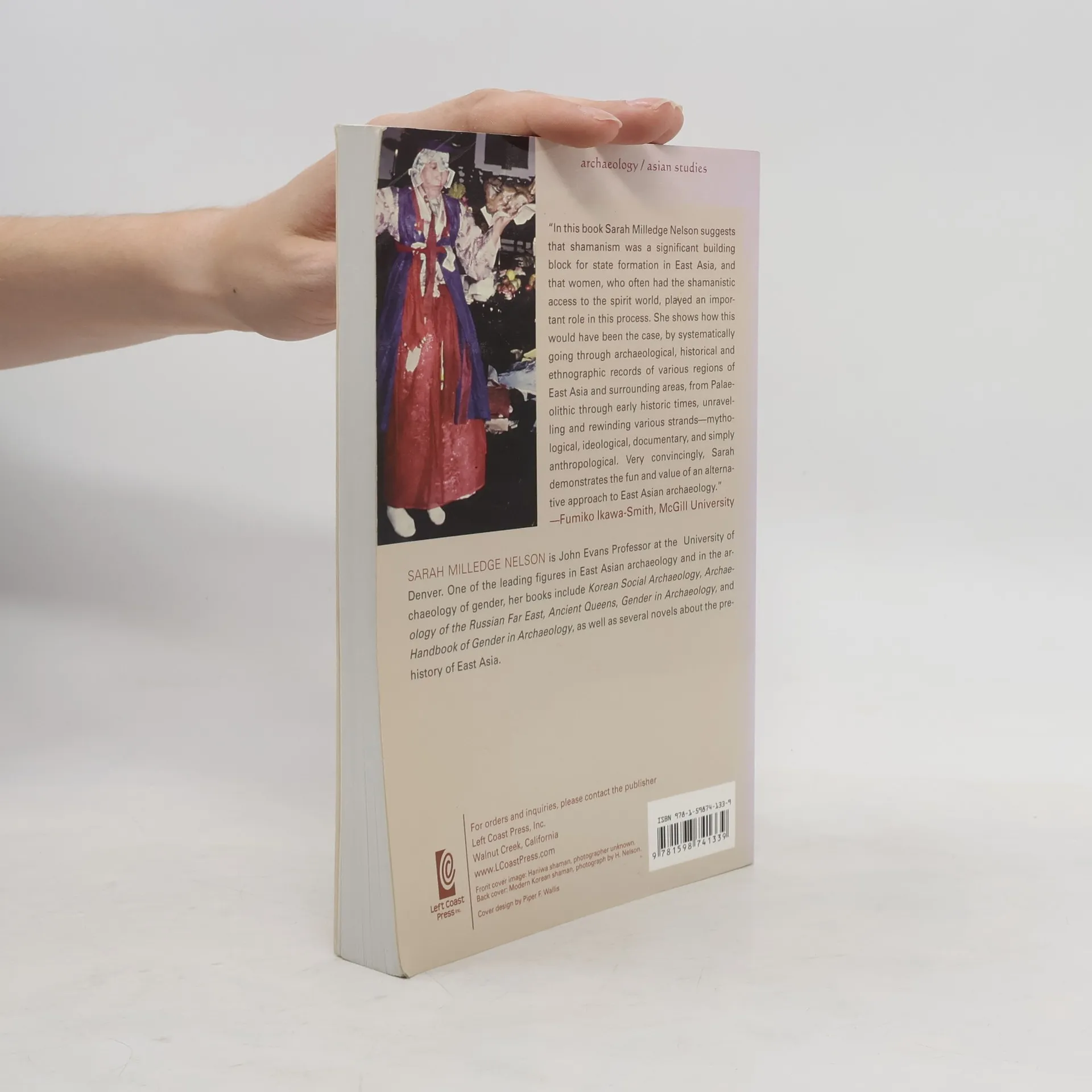
Sarah Milledge Nelson’s bold thesis is that the development of states in East Asia―China, Japan, Korea―was an outgrowth of the leadership in smaller communities guided by shamans. Using a mixture of historical documents, mythology, archaeological data, and ethnographic studies of contemporary shamans, she builds a case for shamans being the driving force behind the blossoming of complex societies. More interesting, shamans in East Asia are generally women, who used their access to the spirit world to take leadership roles. This work challenges traditional interpretations growth of Asian states, which is overlaid with later Confucian notions of gender roles. Written at a level accessible for undergraduates, this concise work will be fascinating reading for those interested in East Asian archaeology, politics, and society; in gender roles, and in shamanism.
Book purchase
Shamanism and the Origin of States, Sarah Milledge Nelson
- Language

- Released
- 2008
- Binding
- (Paperback)
Payment methods
We’re missing your review here.
- Title
- Shamanism and the Origin of States
- Subtitle
- Spirit, Power, and Gender in East Asia
- Language
- English
- Authors
- Sarah Milledge Nelson
- Publisher
- Routledge
- Released
- 2008
- Format
- Paperback
- Pages
- 304
- ISBN10
- 1598741330
- ISBN13
- 9781598741339
- Series
- Categories
- Tags
- Historical Themes, Gender
- Rating
- 4.25 out of 5
- Description
- Sarah Milledge Nelson’s bold thesis is that the development of states in East Asia―China, Japan, Korea―was an outgrowth of the leadership in smaller communities guided by shamans. Using a mixture of historical documents, mythology, archaeological data, and ethnographic studies of contemporary shamans, she builds a case for shamans being the driving force behind the blossoming of complex societies. More interesting, shamans in East Asia are generally women, who used their access to the spirit world to take leadership roles. This work challenges traditional interpretations growth of Asian states, which is overlaid with later Confucian notions of gender roles. Written at a level accessible for undergraduates, this concise work will be fascinating reading for those interested in East Asian archaeology, politics, and society; in gender roles, and in shamanism.