

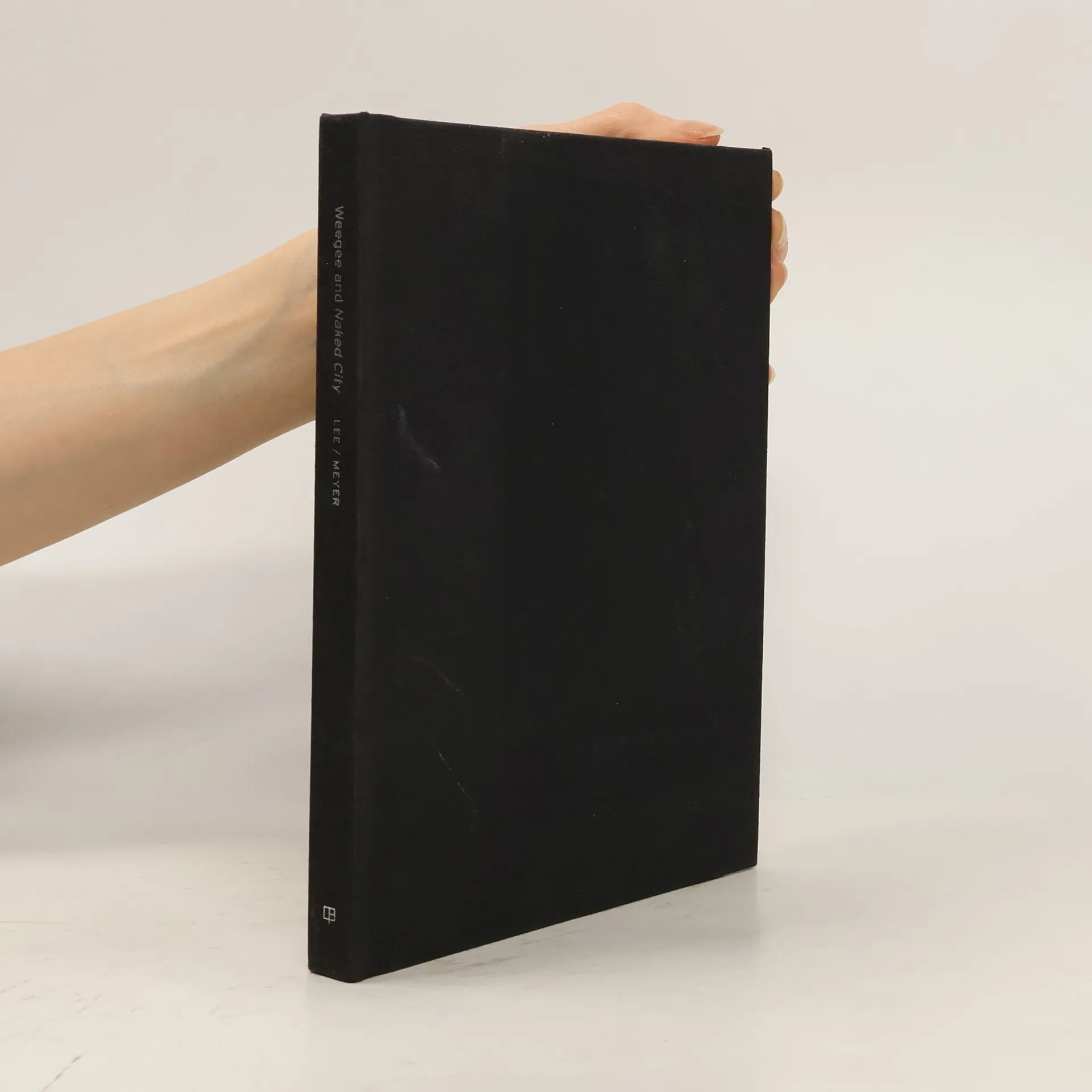
Parameters
- 144 pages
- 6 hours of reading
More about the book
Arthur Fellig, better known as Weegee, and his 1945 photography book, Naked City —with its lurid tabloid-style images of Manhattan crime, crowds, and boisterous nightlife—changed prevailing journalistic practices almost overnight. In this volume, two art historians, Anthony W. Lee and Richard Meyer, bring markedly different outlooks on photography and modernism to their discussions of Weegee and his book. Meyer looks carefully at Weegee's pictures before and after they were collected and assesses how his practice of tabloid photography was inseparable from his own lowbrow appeal. Lee paints the vivid details of a leftist journalism world in 1930s and 1940s New York and shows how this world helped shape the photographer's vision. These essays restore the Naked City photographs to the mass circulation newspapers and magazines for which they were intended, and they trace the strange process by which the most famous of these pictures—suffused with blood, gore, and sensational crime—entered the museum.


Book purchase
Defining Moments in American Photography: Weegee and Naked City, Anthony W. Lee, Richard Meyer
- Language

- Released
- 2008
- product-detail.submit-box.info.binding
- (Hardcover)
Payment methods
No one has rated yet.
- Language
- English
- Authors
- Anthony W. Lee, Richard Meyer
- Publisher
- University of California Press
- Released
- 2008
- Format
- Hardcover
- Pages
- 144
- ISBN10
- 0520251830
- ISBN13
- 9780520251830
- Series
- Tags
- Non-Fiction, Art & Culture, Social Sciences, Historical Themes, History, Photography, Journalism
- Description
- Arthur Fellig, better known as Weegee, and his 1945 photography book, Naked City —with its lurid tabloid-style images of Manhattan crime, crowds, and boisterous nightlife—changed prevailing journalistic practices almost overnight. In this volume, two art historians, Anthony W. Lee and Richard Meyer, bring markedly different outlooks on photography and modernism to their discussions of Weegee and his book. Meyer looks carefully at Weegee's pictures before and after they were collected and assesses how his practice of tabloid photography was inseparable from his own lowbrow appeal. Lee paints the vivid details of a leftist journalism world in 1930s and 1940s New York and shows how this world helped shape the photographer's vision. These essays restore the Naked City photographs to the mass circulation newspapers and magazines for which they were intended, and they trace the strange process by which the most famous of these pictures—suffused with blood, gore, and sensational crime—entered the museum.