


More about the book
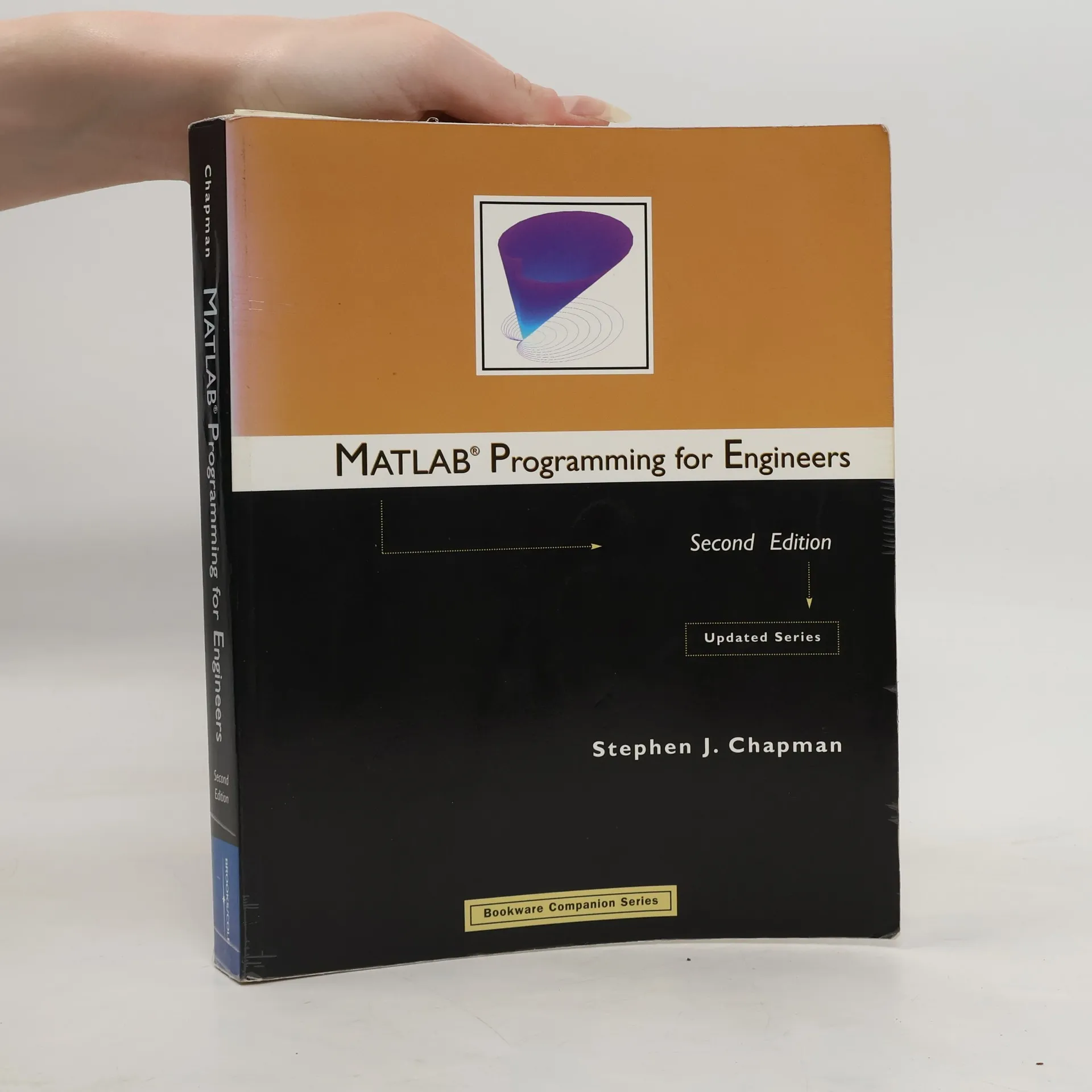
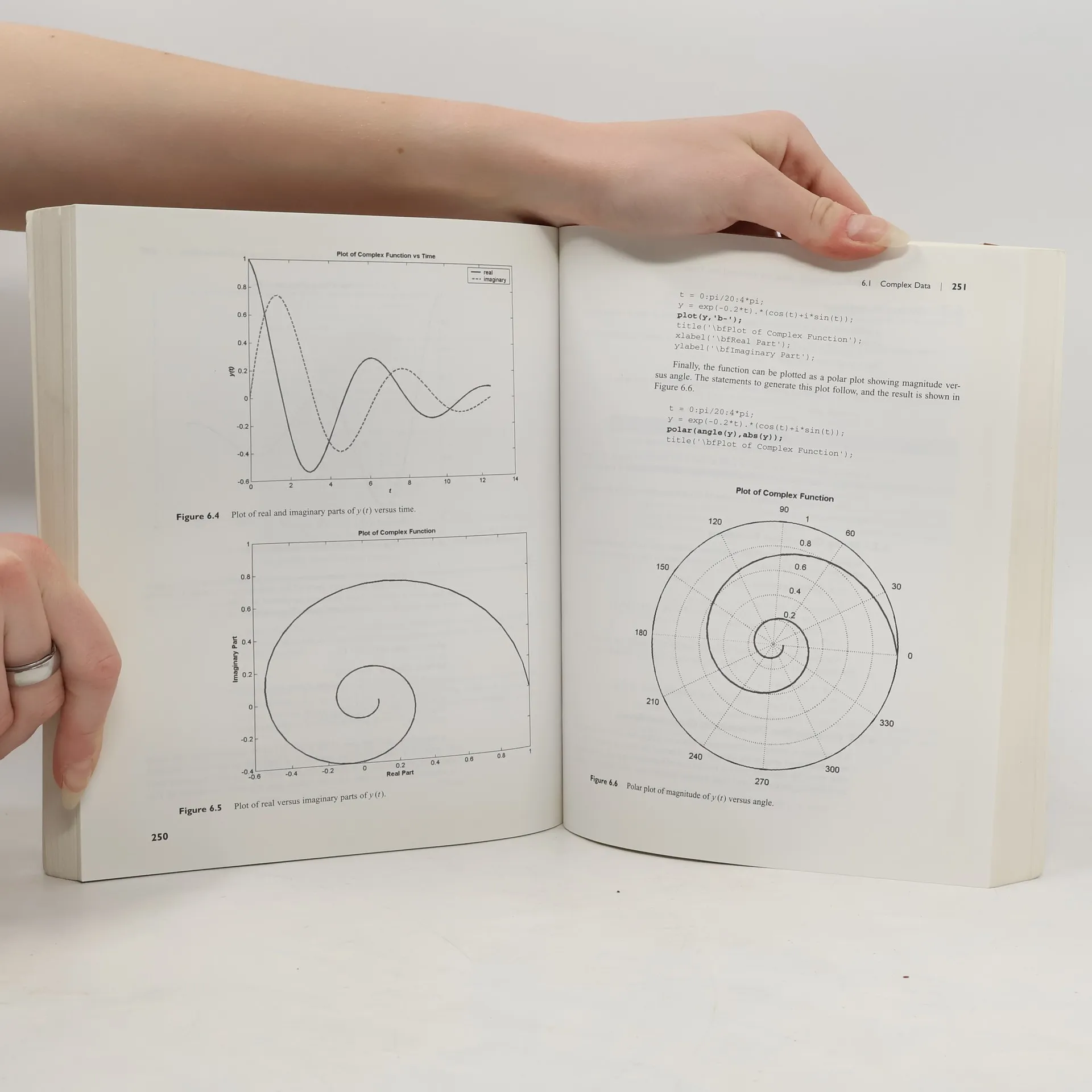
The first text of its kind, Stephen Chapman's best-selling book on MATLAB has been updated to reflect MATLAB 6.0. It has gained popularity in engineering schools where MATLAB is used for introductory programming instead of traditional languages. While C, C++, and Java are suitable for computer science students, most engineering students will not pursue programming as a career. Instead, they utilize computer tools for scientific calculations, data analysis, simulations, and visualization—skills essential for upper-level classes. MATLAB offers built-in toolkits and an integrated development environment to facilitate these tasks. This book stands out in two key ways: it introduces MATLAB as a technical programming language rather than merely the environment itself. The author employs various pedagogical tools, such as boxes highlighting good practices and common pitfalls, along with numerous exercises and examples. Additionally, it emphasizes writing clean, efficient, and well-documented programs using sound problem-solving techniques. A top-down programming methodology is introduced in Chapter 3 and consistently applied throughout, encouraging students to consider program design before coding.


Book purchase
MATLAB Programming for Engineers, Stephen J. Chapman
- Language

- Released
- 2001
- product-detail.submit-box.info.binding
- (Paperback)
Payment methods
We’re missing your review here.
- Subtitle
- Second Edition - Updated Series
- Language
- English
- Authors
- Stephen J. Chapman
- Publisher
- CL Engineering
- Released
- 2001
- Format
- Paperback
- Pages
- 496
- ISBN10
- 0534390560
- ISBN13
- 9780534390563
- Series
- Rating
- 3.75 out of 5
- Description
- The first text of its kind, Stephen Chapman's best-selling book on MATLAB has been updated to reflect MATLAB 6.0. It has gained popularity in engineering schools where MATLAB is used for introductory programming instead of traditional languages. While C, C++, and Java are suitable for computer science students, most engineering students will not pursue programming as a career. Instead, they utilize computer tools for scientific calculations, data analysis, simulations, and visualization—skills essential for upper-level classes. MATLAB offers built-in toolkits and an integrated development environment to facilitate these tasks. This book stands out in two key ways: it introduces MATLAB as a technical programming language rather than merely the environment itself. The author employs various pedagogical tools, such as boxes highlighting good practices and common pitfalls, along with numerous exercises and examples. Additionally, it emphasizes writing clean, efficient, and well-documented programs using sound problem-solving techniques. A top-down programming methodology is introduced in Chapter 3 and consistently applied throughout, encouraging students to consider program design before coding.