

Book rating
Parameters
- 256 pages
- 9 hours of reading
More about the book
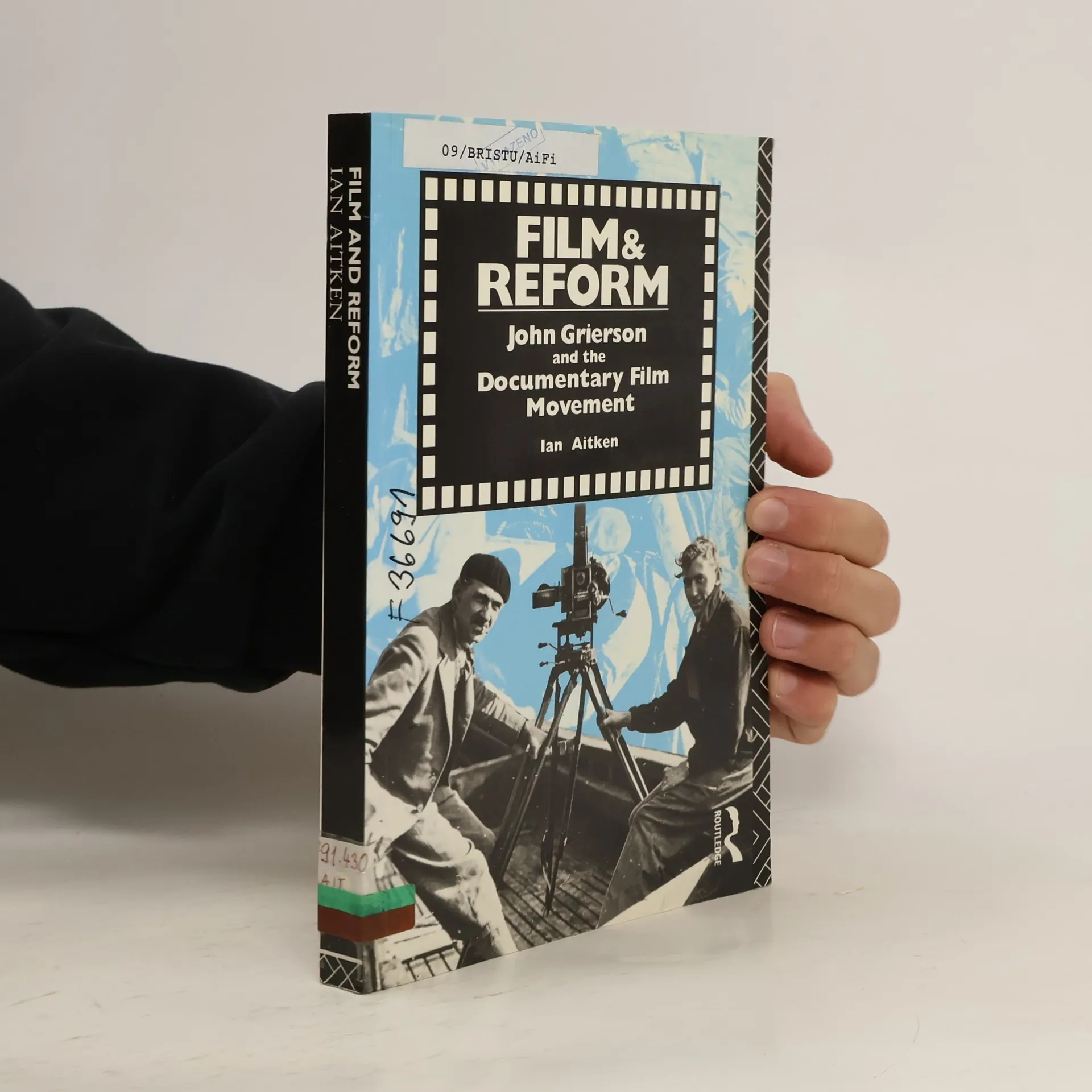
Best known for his documentaries such as "Drifters", "North Sea", and "Housing Problems", John Grierson was regarded as one of the most important figures in the British documentary film movement and one of the most influential of British film theorists. Grierson's conception of film as an instrument of social persuasion was derived from an aesthetic tradition based on philosophical idealism, and his theory of documentary film indicates that aesthetics and social purpose should have equal status.Ian Aitken explains the synthesis of naturalism and modernism which characterizes the idealistic strain of Grierson's social commentary and compares it to such contemporary social reformists as the Next Five Years Group and the Mass Observation researchers. He also draws out aesthetic and intellectual similarities between Grierson, Orwell and Priestley. By underlining the link between film and reform, he clarifies the meaning and significance of Grierson's ideas and the historical role of the documentary film movement. This book should be of interest to students and teachers of film studies and media studies.
Book purchase
Cinema and Society: Film and Reform, Ian Aitken
- Language

- Released
- 1992
- Binding
- (Paperback)
Payment methods
We’re missing your review here.
- Title
- Cinema and Society: Film and Reform
- Subtitle
- John Grierson and the Documentary Film Movement
- Language
- English
- Authors
- Ian Aitken
- Publisher
- Routledge
- Released
- 1992
- Format
- Paperback
- Pages
- 256
- ISBN10
- 0415081211
- ISBN13
- 9780415081214
- Series
- Categories
- Rating
- 3.35 out of 5
- Description
- Best known for his documentaries such as "Drifters", "North Sea", and "Housing Problems", John Grierson was regarded as one of the most important figures in the British documentary film movement and one of the most influential of British film theorists. Grierson's conception of film as an instrument of social persuasion was derived from an aesthetic tradition based on philosophical idealism, and his theory of documentary film indicates that aesthetics and social purpose should have equal status.Ian Aitken explains the synthesis of naturalism and modernism which characterizes the idealistic strain of Grierson's social commentary and compares it to such contemporary social reformists as the Next Five Years Group and the Mass Observation researchers. He also draws out aesthetic and intellectual similarities between Grierson, Orwell and Priestley. By underlining the link between film and reform, he clarifies the meaning and significance of Grierson's ideas and the historical role of the documentary film movement. This book should be of interest to students and teachers of film studies and media studies.