

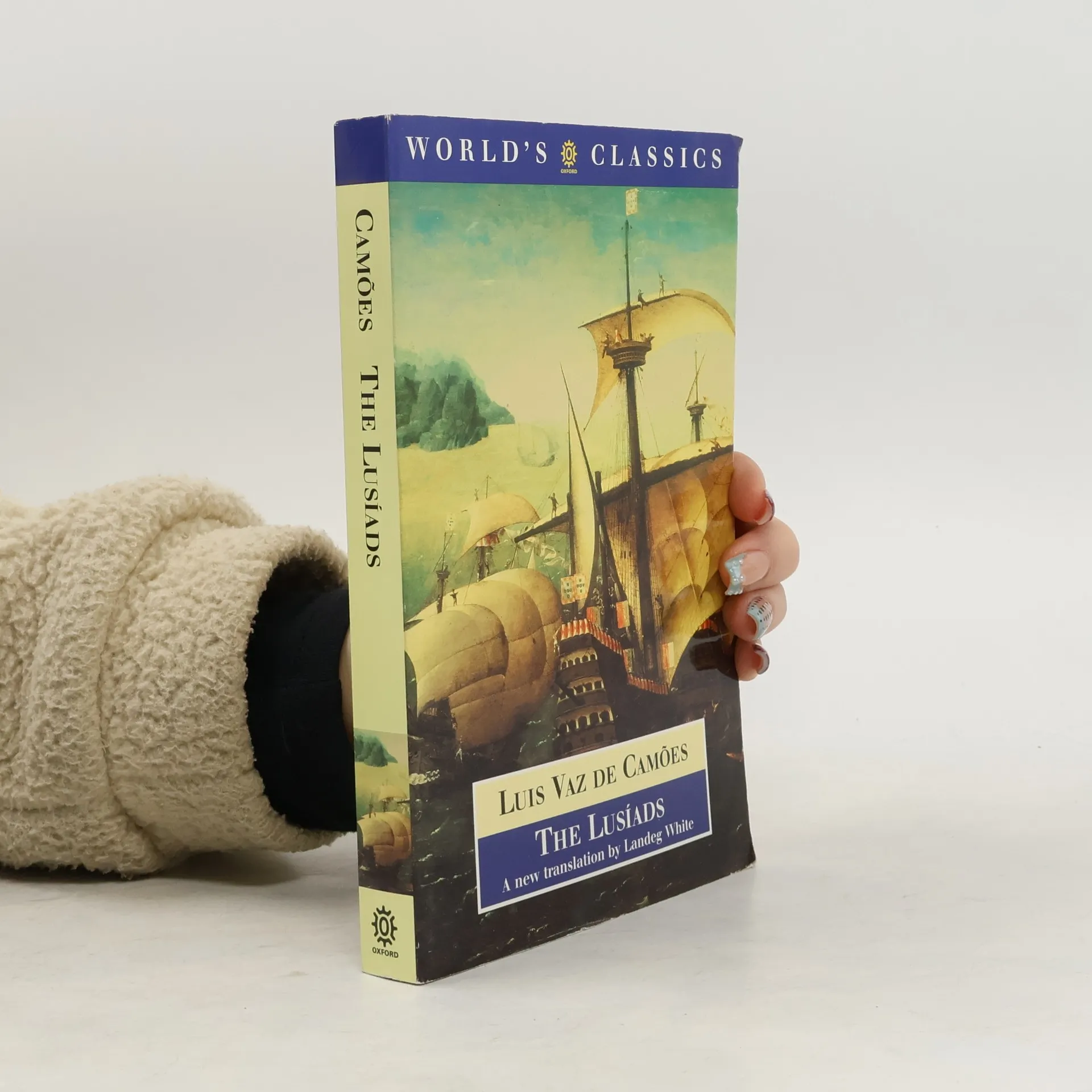
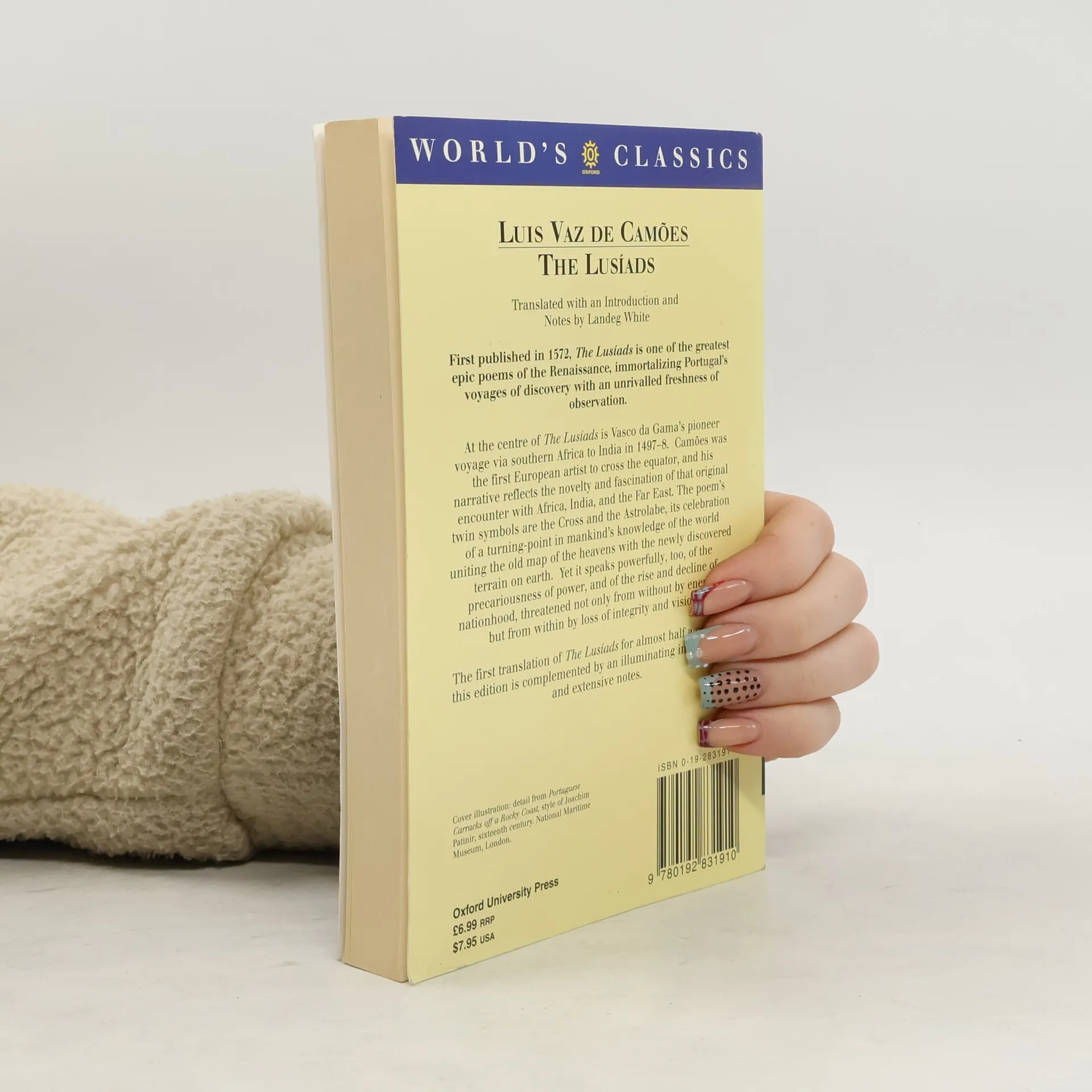
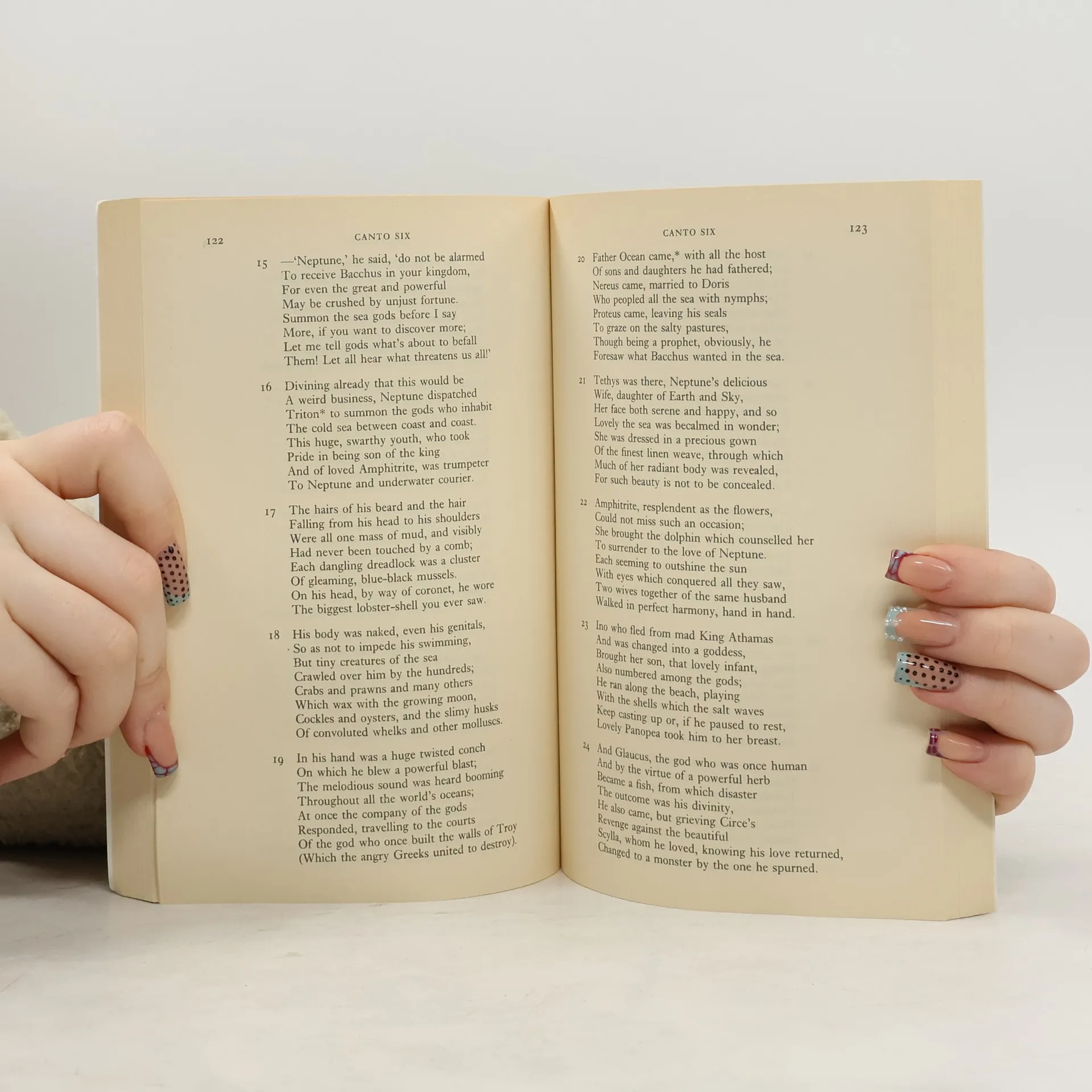
Oxford World's Classics: The Lusíads
Authors
More about the book
First published in 1572, "The Lusíads" is one of the greatest epic poems of the Renaissance, immortalizing Portugal's voyages of discovery with an unrivalled freshness of observation. At the center of "The Lusíads" is Vasco da Gama's pioneer voyage via southern Africa to India in 1497-8. Camões was the first European artist to cross the equator, and his narrative reflects the novelty and fascination of that original encounter with Africa, India, and the Far East. The poem's twin symbols are the Cross and the Astrolabe, its celebration of a turning-point in mankind's knowledge of the world uniting the old map of the heavens with the newly discovered terrain on earth. Yet it speaks powerfully, too, of the precariousness of power, and of the rise and decline of nationhood, threatened not only from without by enemies, but from within by loss of integrity and vision. -- From publisher's description.
Book purchase
Oxford World's Classics: The Lusíads, Luís de Camões, Landeg White
- Language

- Released
- 1997
- Binding
- (Paperback)
Payment methods
No one has rated yet.
- Title
- Oxford World's Classics: The Lusíads
- Language
- English
- Authors
- Luís de Camões, Landeg White
- Publisher
- Oxford University Press
- Released
- 1997
- Format
- Paperback
- Pages
- 258
- ISBN10
- 0192831917
- ISBN13
- 9780192831910
- Series
- Description
- First published in 1572, "The Lusíads" is one of the greatest epic poems of the Renaissance, immortalizing Portugal's voyages of discovery with an unrivalled freshness of observation. At the center of "The Lusíads" is Vasco da Gama's pioneer voyage via southern Africa to India in 1497-8. Camões was the first European artist to cross the equator, and his narrative reflects the novelty and fascination of that original encounter with Africa, India, and the Far East. The poem's twin symbols are the Cross and the Astrolabe, its celebration of a turning-point in mankind's knowledge of the world uniting the old map of the heavens with the newly discovered terrain on earth. Yet it speaks powerfully, too, of the precariousness of power, and of the rise and decline of nationhood, threatened not only from without by enemies, but from within by loss of integrity and vision. -- From publisher's description.