

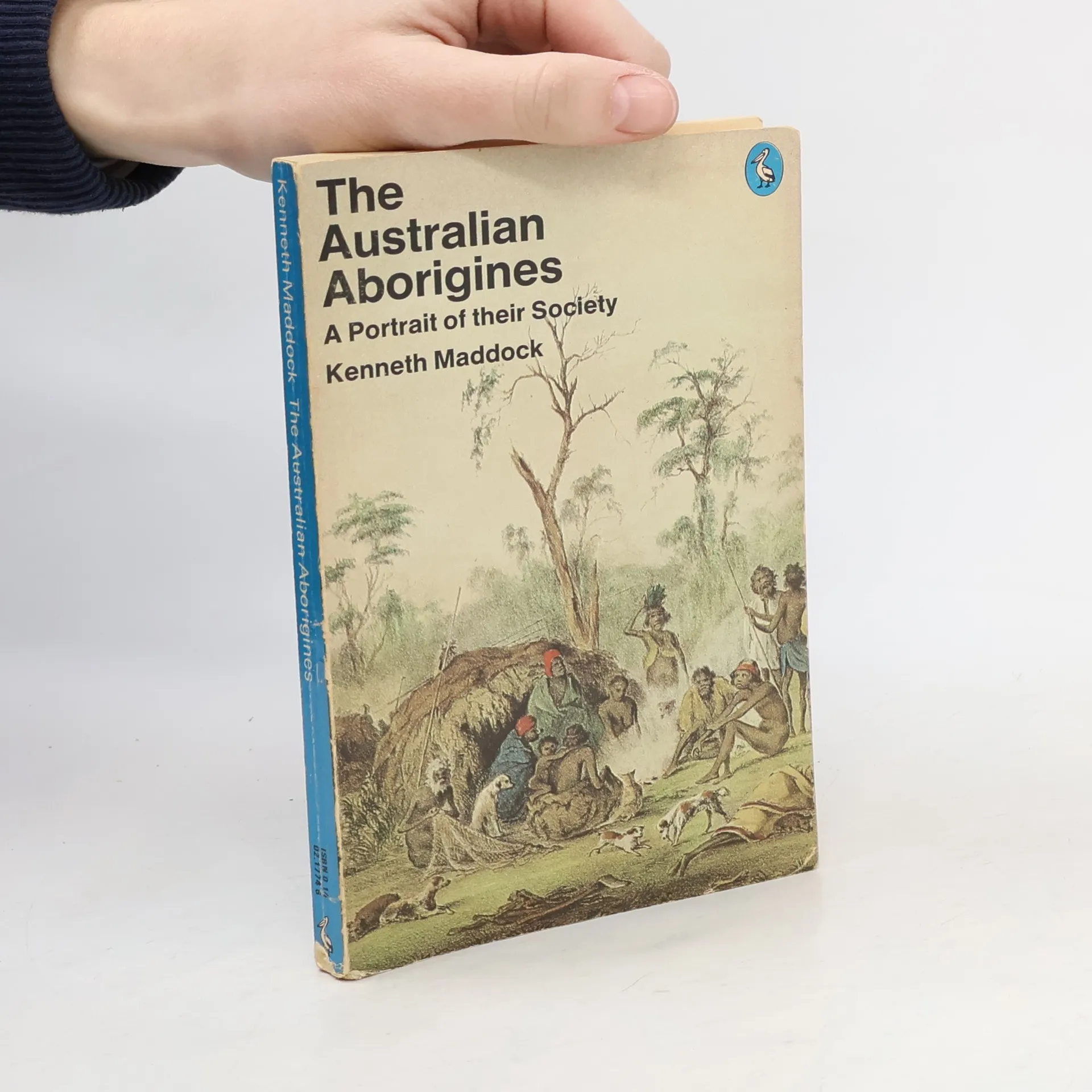
More about the book
Chap. 1 discusses the significance of the Elcho Island Memorial movement, the Molonga cult, Bandjalang Pentecostalism, and government policies since 1951, including the Wave Hill strike and the Pindan mob. Chap. 2 covers land and society, examining population densities at European settlement for various groups, limitations on food resources, division of labor, concepts of land and territoriality, and the religious significance of land. It also addresses clan structures, local organization, and relationships between different clans and authorities. Chap. 3 focuses on women in society, exploring exogamy, marriage practices, kinship, and the social implications of marriage rules across different groups. Chap. 4 delves into social order, discussing class systems, moieties, and kin categories, with comparisons to Dalabon and Maiali structures. Chap. 5 examines cosmology, origin theories, and beliefs surrounding creative powers, including All-Father and All-Mother concepts. Chap. 6 addresses rites of life, detailing fertility and initiatory rites, their significance, and the exclusion of women from certain rituals. Chap. 7 explores myths and beliefs about death, causes of death, and funerary customs across various groups. Finally, Chap. 8 contrasts Aboriginal and Australian lifestyles, focusing on authority, social freedom, and gender relations.
Book purchase
Australian Aborigines, Kenneth Maddock
- Language

- Released
- 1974
- Binding
- (Paperback)
Payment methods
We’re missing your review here.
- Title
- Australian Aborigines
- Language
- English
- Authors
- Kenneth Maddock
- Publisher
- Penguin Books
- Released
- 1974
- Format
- Paperback
- Pages
- 210
- ISBN10
- 0140217746
- ISBN13
- 9780140217742
- Series
- Tags
- Rating
- 3.25 out of 5
- Description
- Chap. 1 discusses the significance of the Elcho Island Memorial movement, the Molonga cult, Bandjalang Pentecostalism, and government policies since 1951, including the Wave Hill strike and the Pindan mob. Chap. 2 covers land and society, examining population densities at European settlement for various groups, limitations on food resources, division of labor, concepts of land and territoriality, and the religious significance of land. It also addresses clan structures, local organization, and relationships between different clans and authorities. Chap. 3 focuses on women in society, exploring exogamy, marriage practices, kinship, and the social implications of marriage rules across different groups. Chap. 4 delves into social order, discussing class systems, moieties, and kin categories, with comparisons to Dalabon and Maiali structures. Chap. 5 examines cosmology, origin theories, and beliefs surrounding creative powers, including All-Father and All-Mother concepts. Chap. 6 addresses rites of life, detailing fertility and initiatory rites, their significance, and the exclusion of women from certain rituals. Chap. 7 explores myths and beliefs about death, causes of death, and funerary customs across various groups. Finally, Chap. 8 contrasts Aboriginal and Australian lifestyles, focusing on authority, social freedom, and gender relations.