

Book rating
More about the book
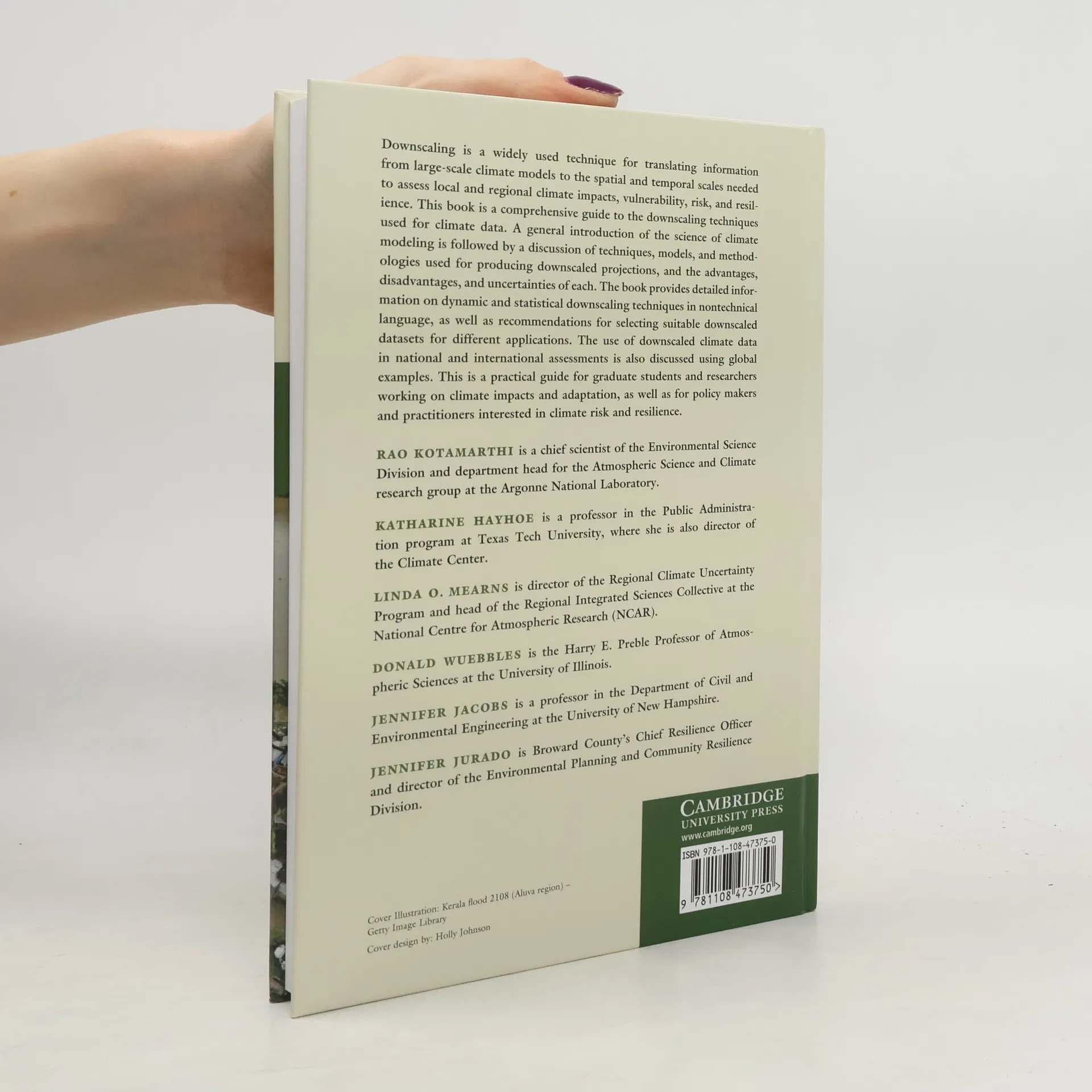
Downscaling is a widely used technique for translating information from large-scale climate models to the spatial and temporal scales needed to assess local and regional climate impacts, vulnerability, risk and resilience. This book is a comprehensive guide to the downscaling techniques used for climate data. A general introduction of the science of climate modeling is followed by a discussion of techniques, models and methodologies used for producing downscaled projections, and the advantages, disadvantages and uncertainties of each. The book provides detailed information on dynamic and statistical downscaling techniques in non-technical language, as well as recommendations for selecting suitable downscaled datasets for different applications. The use of downscaled climate data in national and international assessments is also discussed using global examples. This is a practical guide for graduate students and researchers working on climate impacts and adaptation, as well as for policy makers and practitioners interested in climate risk and resilience.
Book purchase
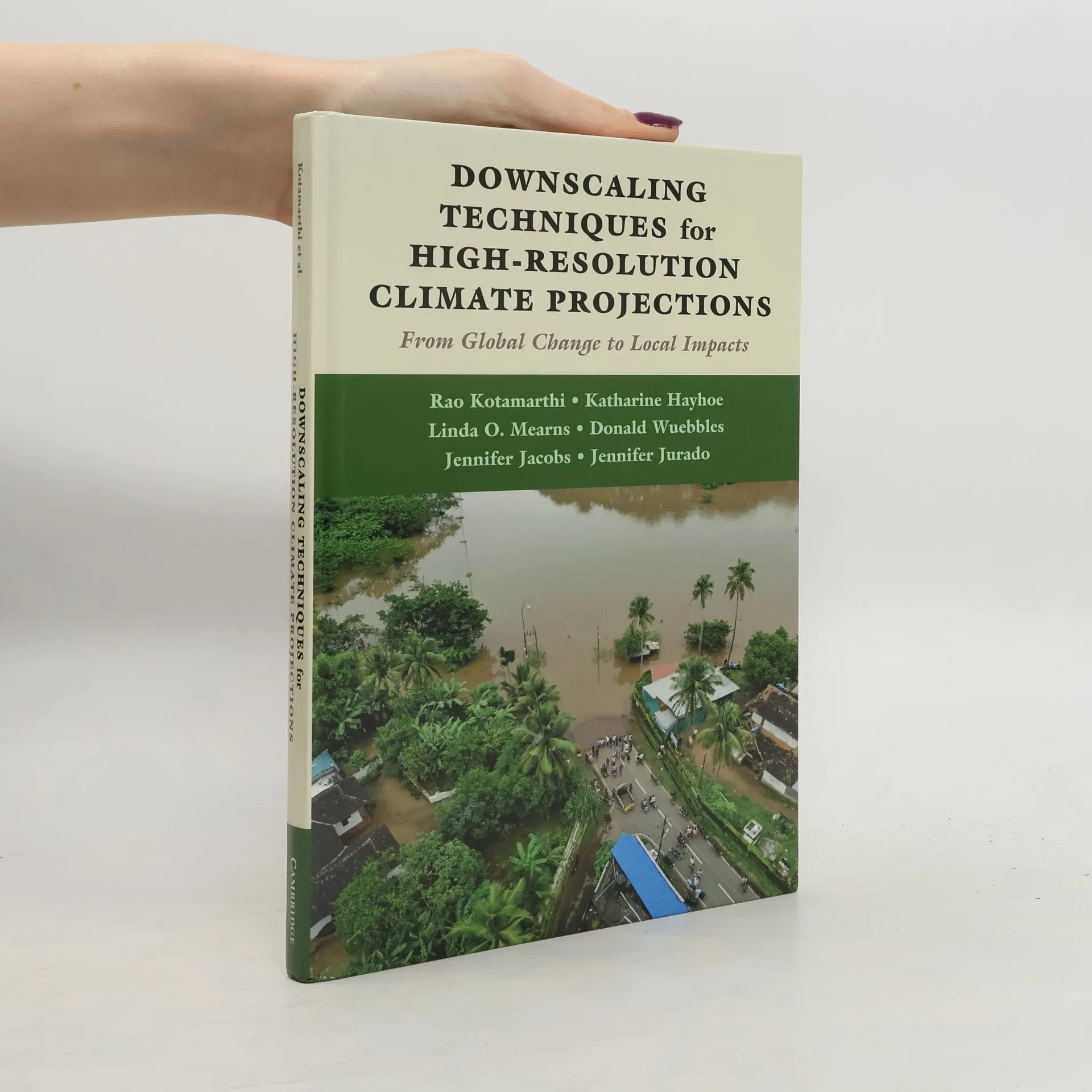
Downscaling Techniques for High-Resolution Climate Projections, Rao Kotamarthi, Katharine Hayhoe, Linda O Mearns, Donald Wuebbles, Jennifer Jacobson, Jennifer Jurado
- Language

- Released
- 2020
- Binding
- (Hardcover)
Payment methods
We’re missing your review here.
- Title
- Downscaling Techniques for High-Resolution Climate Projections
- Subtitle
- From Global Change to Local Impacts
- Language
- English
- Authors
- Rao Kotamarthi, Katharine Hayhoe, Linda O Mearns, Donald Wuebbles, Jennifer Jacobson, Jennifer Jurado
- Publisher
- Cambridge University Press
- Released
- 2020
- Format
- Hardcover
- Pages
- 210
- ISBN10
- 110847375X
- ISBN13
- 9781108473750
- Series
- Categories
- Rating
- 3 out of 5
- Description
- Downscaling is a widely used technique for translating information from large-scale climate models to the spatial and temporal scales needed to assess local and regional climate impacts, vulnerability, risk and resilience. This book is a comprehensive guide to the downscaling techniques used for climate data. A general introduction of the science of climate modeling is followed by a discussion of techniques, models and methodologies used for producing downscaled projections, and the advantages, disadvantages and uncertainties of each. The book provides detailed information on dynamic and statistical downscaling techniques in non-technical language, as well as recommendations for selecting suitable downscaled datasets for different applications. The use of downscaled climate data in national and international assessments is also discussed using global examples. This is a practical guide for graduate students and researchers working on climate impacts and adaptation, as well as for policy makers and practitioners interested in climate risk and resilience.