

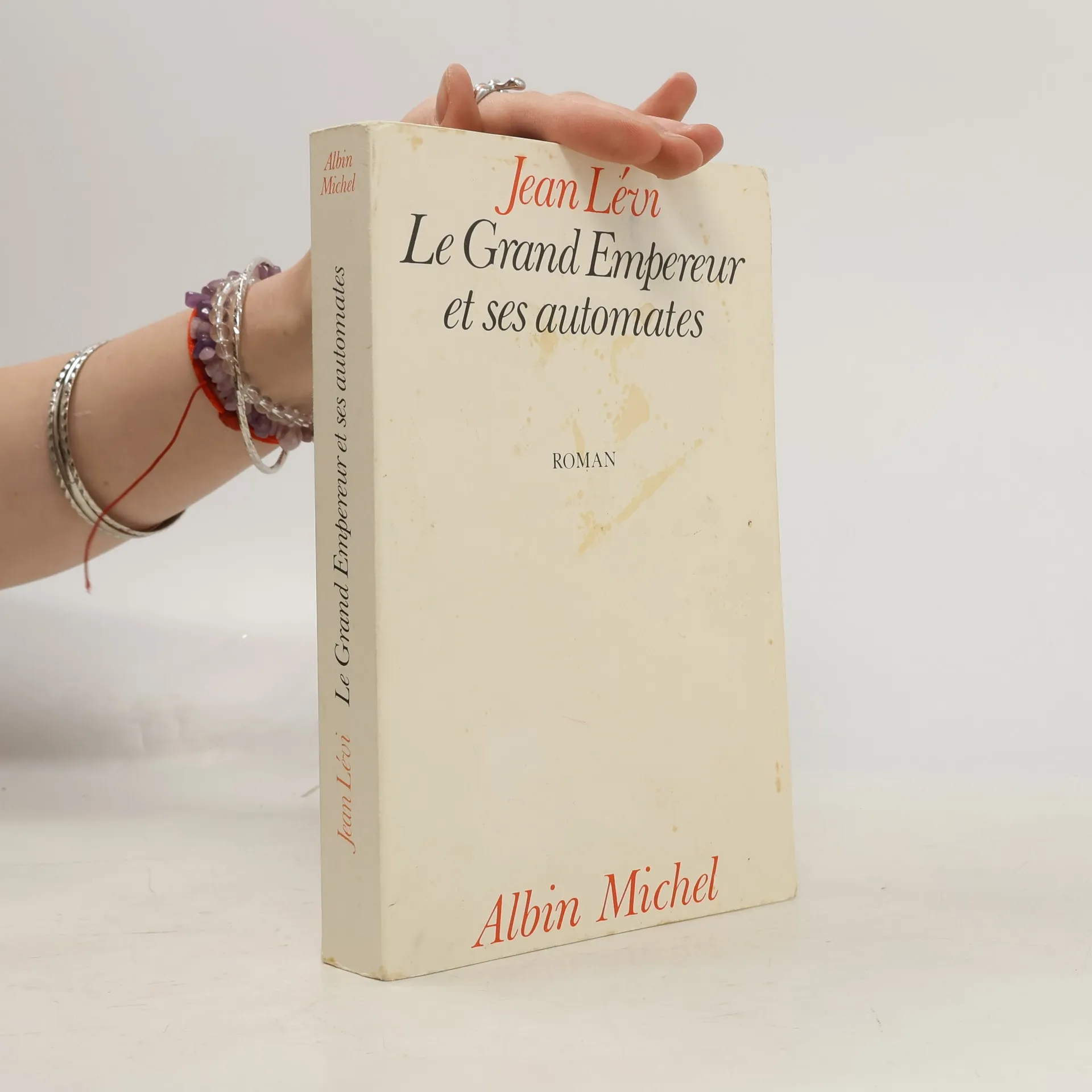
More about the book
In third century B.C. Ch'in, as that alien world is depicted in this extraordinary feat of scholarship and imaginative representation, modes of behavior were exotic, at least from a modern vantage point. A malicious courtier induces the susceptible prince to decapitate a loyal official, then throws his body to the fishes, leaving his eyes for the birds to peck. Another "honest subject of the state" is made mincemeat of, pickled and sold in the marketplace. A knight-errant admires the hands of a ravishing lutist and is presented with them, exquisitely boxed. In the afterword, Levi insists that this is neither a work of history nor a historical novel, as it portrays no "characters" in any dramatic or conventional sense. It is a really a "political fable" based on historical documents concerning the turbulent, war-torn period out of which the First Empire emerged. As such, Levi projects with a fine hand events that left permanent impressions on Chinese history, culture, religion, manners and mind-sets. description courtesy of Publishers Weekly This is an English translation of a French book.


Book purchase
Le grand empereur et ses automates, Jean Lévi
- Language

- Released
- 1984
- Binding
- (Paperback)
Payment methods
We’re missing your review here.
- Title
- Le grand empereur et ses automates
- Language
- French
- Authors
- Jean Lévi
- Publisher
- Albin Michel
- Released
- 1984
- Format
- Paperback
- Pages
- 358
- ISBN10
- 2226021035
- ISBN13
- 9782226021038
- Series
- Categories
- Rating
- 3.15 out of 5
- Description
- In third century B.C. Ch'in, as that alien world is depicted in this extraordinary feat of scholarship and imaginative representation, modes of behavior were exotic, at least from a modern vantage point. A malicious courtier induces the susceptible prince to decapitate a loyal official, then throws his body to the fishes, leaving his eyes for the birds to peck. Another "honest subject of the state" is made mincemeat of, pickled and sold in the marketplace. A knight-errant admires the hands of a ravishing lutist and is presented with them, exquisitely boxed. In the afterword, Levi insists that this is neither a work of history nor a historical novel, as it portrays no "characters" in any dramatic or conventional sense. It is a really a "political fable" based on historical documents concerning the turbulent, war-torn period out of which the First Empire emerged. As such, Levi projects with a fine hand events that left permanent impressions on Chinese history, culture, religion, manners and mind-sets. description courtesy of Publishers Weekly This is an English translation of a French book.