

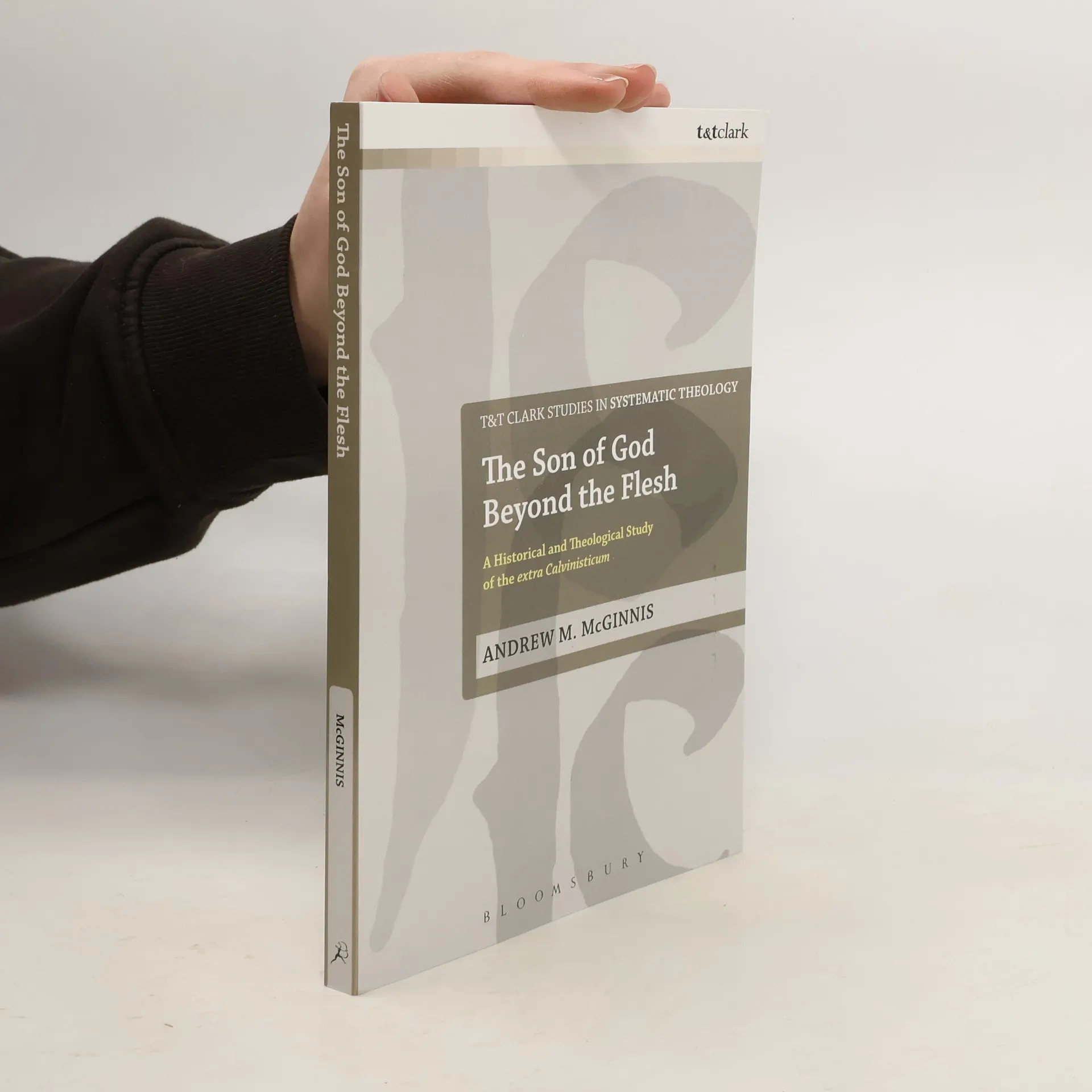

T&T Clark Studies in Systematic Theology: The Son of God Beyond the Flesh
A Historical and Theological Study of the Extra Calvinisticum
Authors
Book rating
More about the book
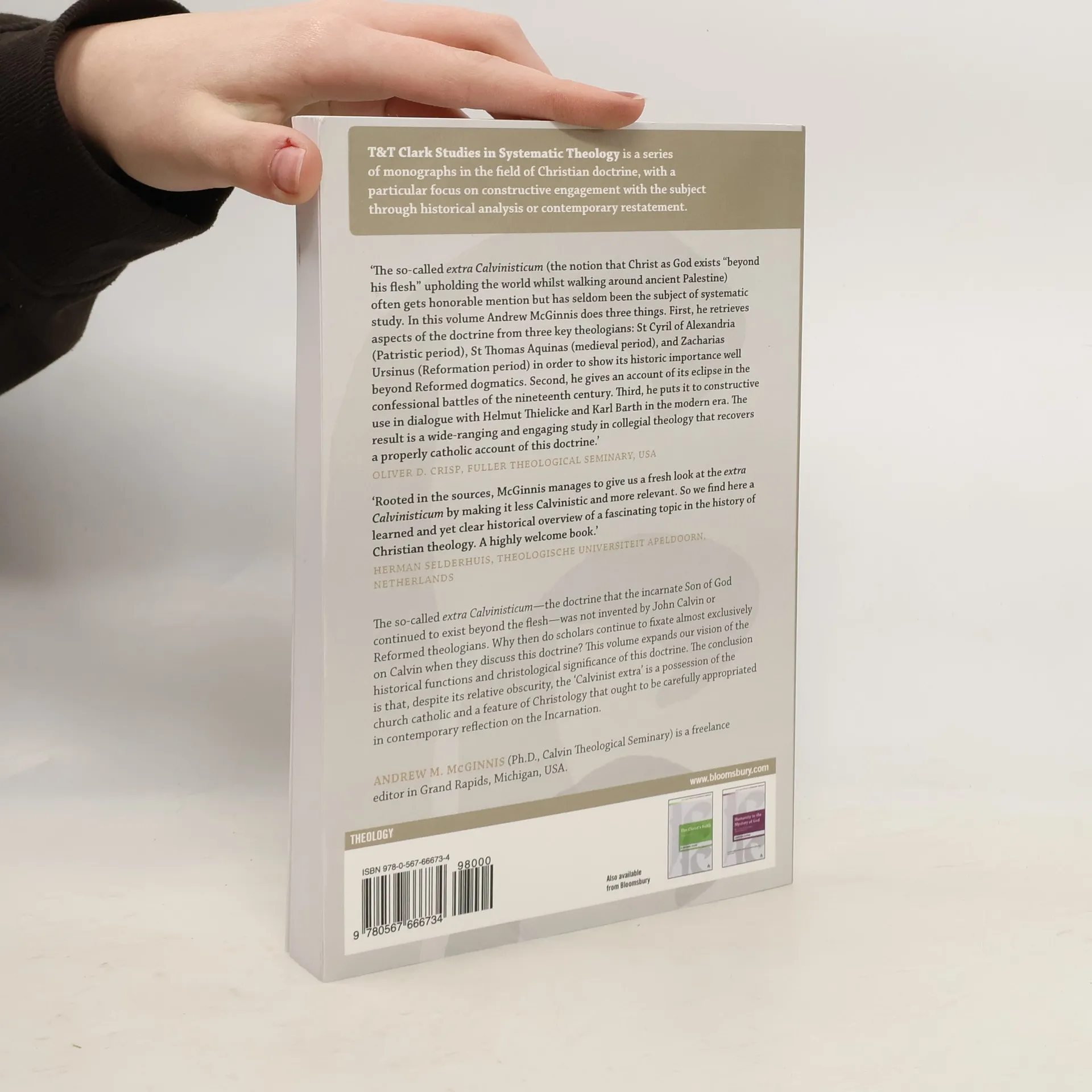
The so-called extra Calvinisticum -the doctrine that the incarnate Son of God continued to exist beyond the flesh-was not invented by John Calvin or Reformed theologians. If this is true, as is almost universally acknowledged today, then why do scholars continue to fixate almost exclusively on Calvin when they discuss this doctrine? The answer to the “why” of this scholarly trend, however, is not as important as correcting the trend. This volume expands our vision of the historical functions and christological significance of this doctrine by expounding its uses in Cyril of Alexandria, Thomas Aquinas, Zacharias Ursinus, and in theologians from the Reformation to the present. Despite its relative obscurity, the doctrine that came to be known as the “Calvinist extra” is a possession of the church catholic and a feature of Christology that ought to be carefully appropriated in contemporary reflection on the Incarnation.
Book purchase
T&T Clark Studies in Systematic Theology: The Son of God Beyond the Flesh, Andrew M. McGinnis
- Language

- Released
- 2016
- Binding
- (Paperback)
Payment methods
We’re missing your review here.
- Title
- T&T Clark Studies in Systematic Theology: The Son of God Beyond the Flesh
- Subtitle
- A Historical and Theological Study of the Extra Calvinisticum
- Language
- English
- Authors
- Andrew M. McGinnis
- Publisher
- T&T Clark
- Released
- 2016
- Format
- Paperback
- Pages
- 240
- ISBN10
- 0567666735
- ISBN13
- 9780567666734
- Series
- Categories
- Rating
- 4.35 out of 5
- Description
- The so-called extra Calvinisticum -the doctrine that the incarnate Son of God continued to exist beyond the flesh-was not invented by John Calvin or Reformed theologians. If this is true, as is almost universally acknowledged today, then why do scholars continue to fixate almost exclusively on Calvin when they discuss this doctrine? The answer to the “why” of this scholarly trend, however, is not as important as correcting the trend. This volume expands our vision of the historical functions and christological significance of this doctrine by expounding its uses in Cyril of Alexandria, Thomas Aquinas, Zacharias Ursinus, and in theologians from the Reformation to the present. Despite its relative obscurity, the doctrine that came to be known as the “Calvinist extra” is a possession of the church catholic and a feature of Christology that ought to be carefully appropriated in contemporary reflection on the Incarnation.