

Sold out but wanted!

Parameters
- 112 pages
- 4 hours of reading
More about the book
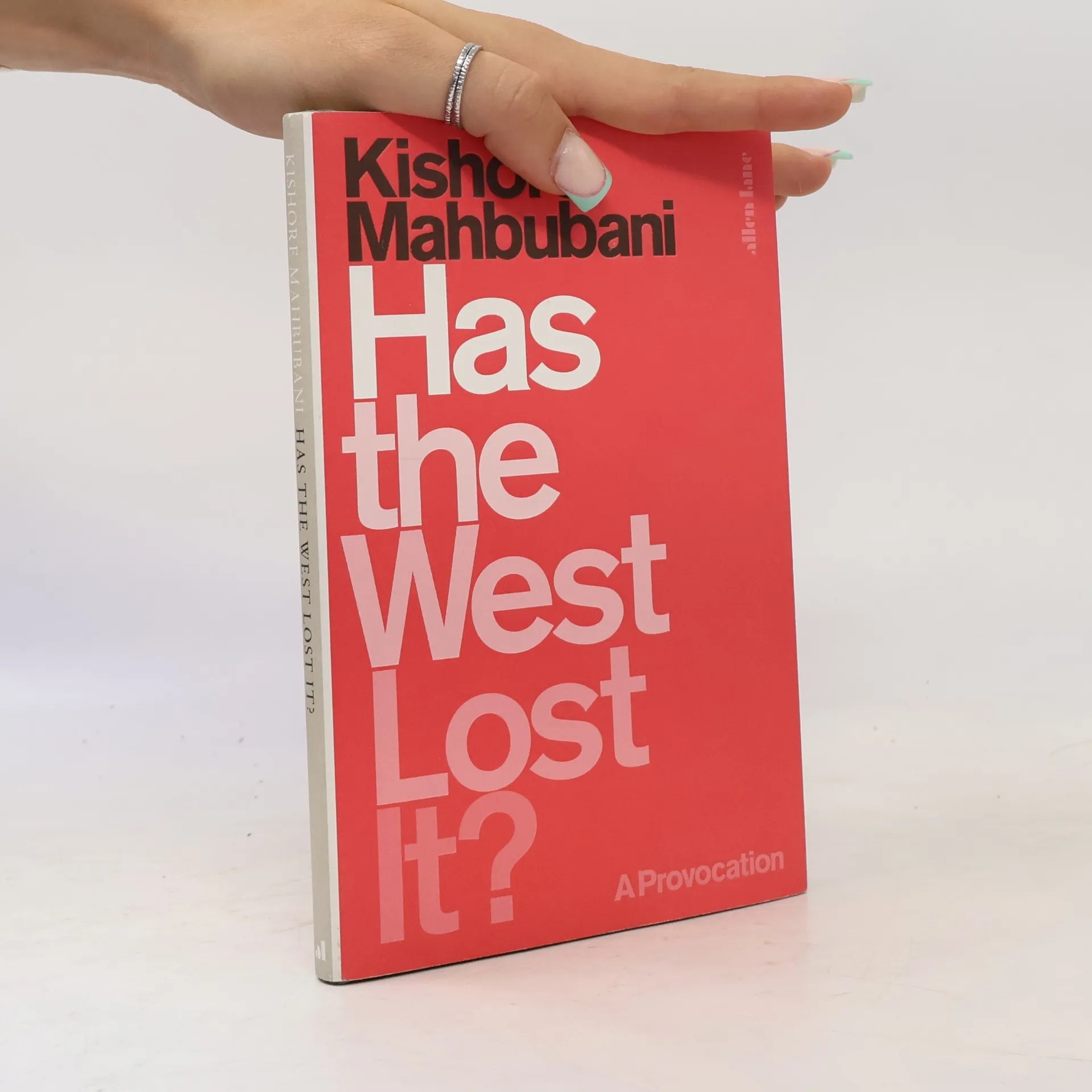
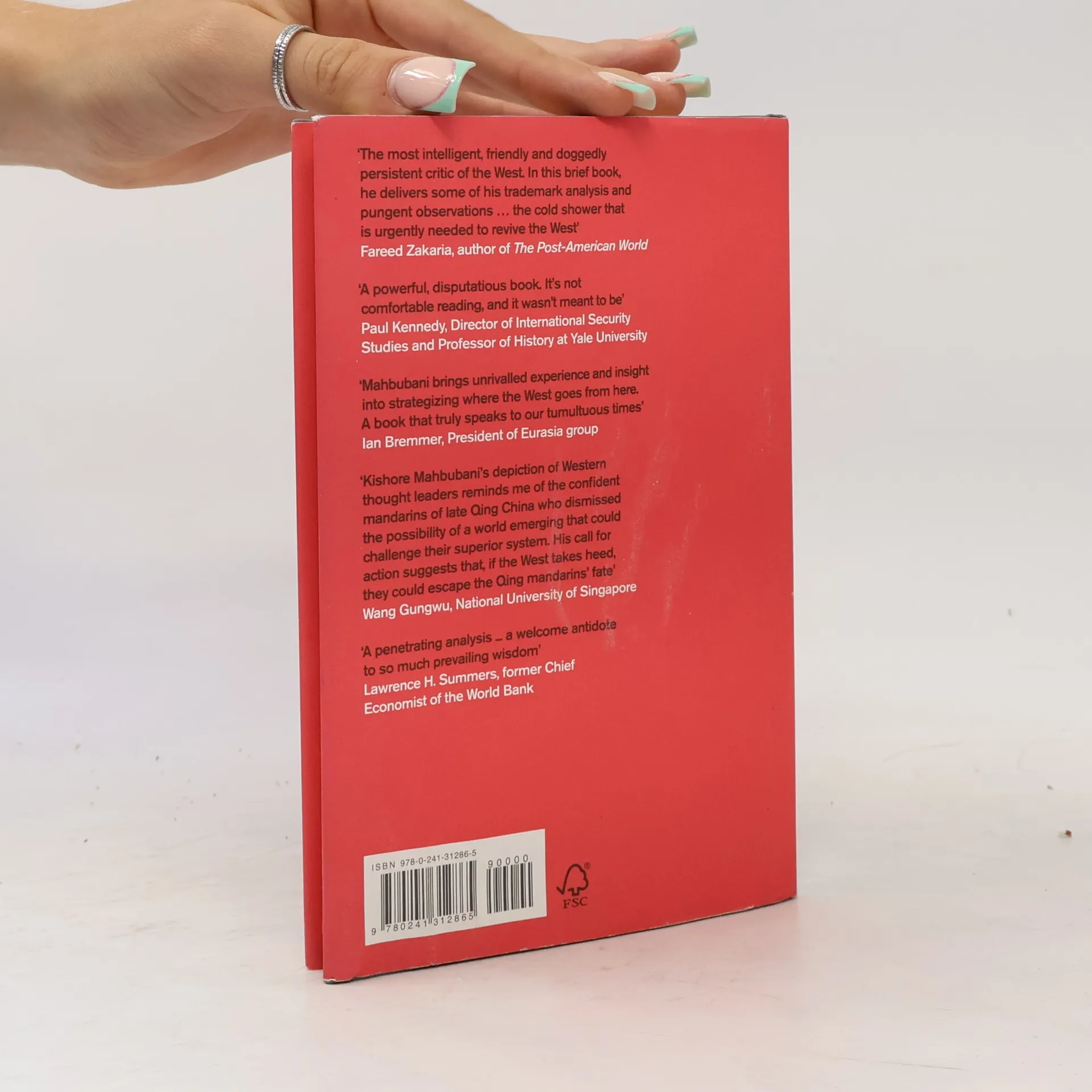
Kishore Mahbubani might well be the most intelligent, friendly and doggedly persistent critic of the West. In this brief book, he delivers some of his trademark analysis and pungent observations. We should all think of it as the cold shower that is urgently needed to revive the West Fareed Zakaria, author of 'The Post-American World'


Book purchase
Has the West Lost It?, Kishore Mahbubani
- Language

- Released
- 2018
- Binding
- (Hardcover)
We’ll email you as soon as we track it down.
Payment methods
We’re missing your review here.
- Title
- Has the West Lost It?
- Subtitle
- A Provocation
- Language
- English
- Authors
- Kishore Mahbubani
- Publisher
- Penguin UK
- Released
- 2018
- Format
- Hardcover
- Pages
- 112
- ISBN10
- 0241312868
- ISBN13
- 9780241312865
- Series
- Categories
- Tags
- Historical Themes, Business, Legal Topics, Politics, Professional Literature, Asia, China, Political Theories, 21st Century, International Relations, Globalization, South Africa, Geopolitics, Diplomacy, International Economic Relations
- Rating
- 3.5 out of 5
- Description
- Kishore Mahbubani might well be the most intelligent, friendly and doggedly persistent critic of the West. In this brief book, he delivers some of his trademark analysis and pungent observations. We should all think of it as the cold shower that is urgently needed to revive the West Fareed Zakaria, author of 'The Post-American World'