

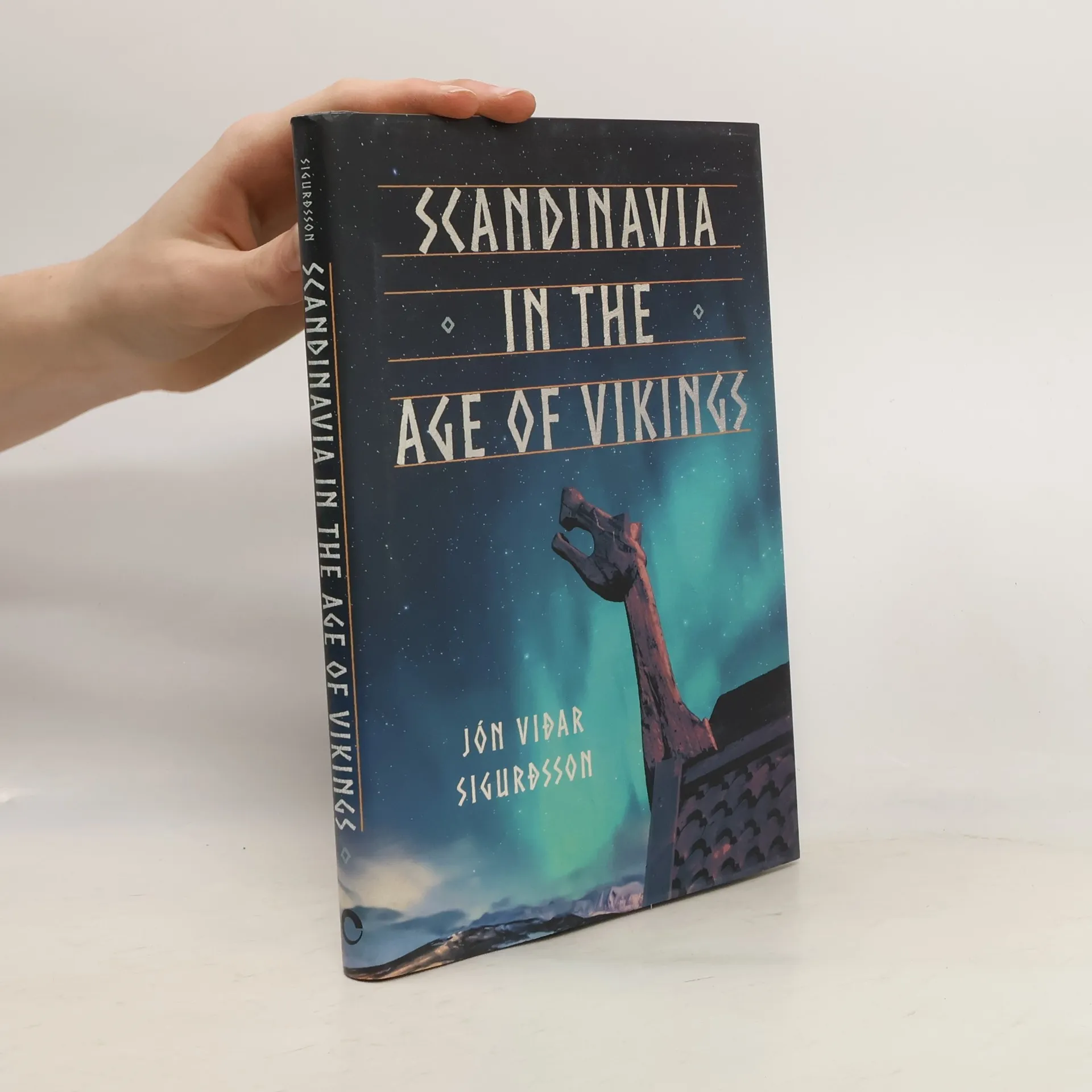


More about the book
In Scandinavia in the Age of Vikings, J�n Vi�ar Sigur�sson explores key aspects of Viking life, including power dynamics, social networks, feasting, religious beliefs, women's roles, social classes, and the economy, which encompassed farming, iron mining, metalworking, and trade. Utilizing the latest archaeological research and literary sources like sagas, Sigur�sson presents a nuanced and surprisingly peaceful society, challenging the stereotype of Norsemen as ruthless barbarians. Instead, he illustrates how Vikings engaged in symbolic power struggles, with local chieftains competing through displays of wealth rather than violence. Conspicuous consumption was paramount for Viking leaders, while their brutality was primarily directed abroad. The narrative begins with political developments, highlighting the rise of Danish kings and the role of Viking friendships in promoting regional peace. It further examines the significance of religion, transitioning from paganism to Christianity around 1000 A.D., and emphasizes the influential roles women played in politics and warfare. Additionally, the influx of wealth into Scandinavia transformed the social fabric, offering new insights into Viking society and its complexities.
Book purchase
Scandinavia in the Age of Vikings, Jón Viðar Sigurðsson, Thea Kveiland
- Language

- Released
- 2021
- Binding
- (Hardcover)
Payment methods
We’re missing your review here.
- Title
- Scandinavia in the Age of Vikings
- Language
- English
- Authors
- Jón Viðar Sigurðsson, Thea Kveiland
- Publisher
- Cornell University Press
- Released
- 2021
- Format
- Hardcover
- Pages
- 224
- ISBN10
- 1501760475
- ISBN13
- 9781501760471
- Series
- Rating
- 3.35 out of 5
- Description
- In Scandinavia in the Age of Vikings, J�n Vi�ar Sigur�sson explores key aspects of Viking life, including power dynamics, social networks, feasting, religious beliefs, women's roles, social classes, and the economy, which encompassed farming, iron mining, metalworking, and trade. Utilizing the latest archaeological research and literary sources like sagas, Sigur�sson presents a nuanced and surprisingly peaceful society, challenging the stereotype of Norsemen as ruthless barbarians. Instead, he illustrates how Vikings engaged in symbolic power struggles, with local chieftains competing through displays of wealth rather than violence. Conspicuous consumption was paramount for Viking leaders, while their brutality was primarily directed abroad. The narrative begins with political developments, highlighting the rise of Danish kings and the role of Viking friendships in promoting regional peace. It further examines the significance of religion, transitioning from paganism to Christianity around 1000 A.D., and emphasizes the influential roles women played in politics and warfare. Additionally, the influx of wealth into Scandinavia transformed the social fabric, offering new insights into Viking society and its complexities.