



Parameters
- 320 pages
- 12 hours of reading
More about the book
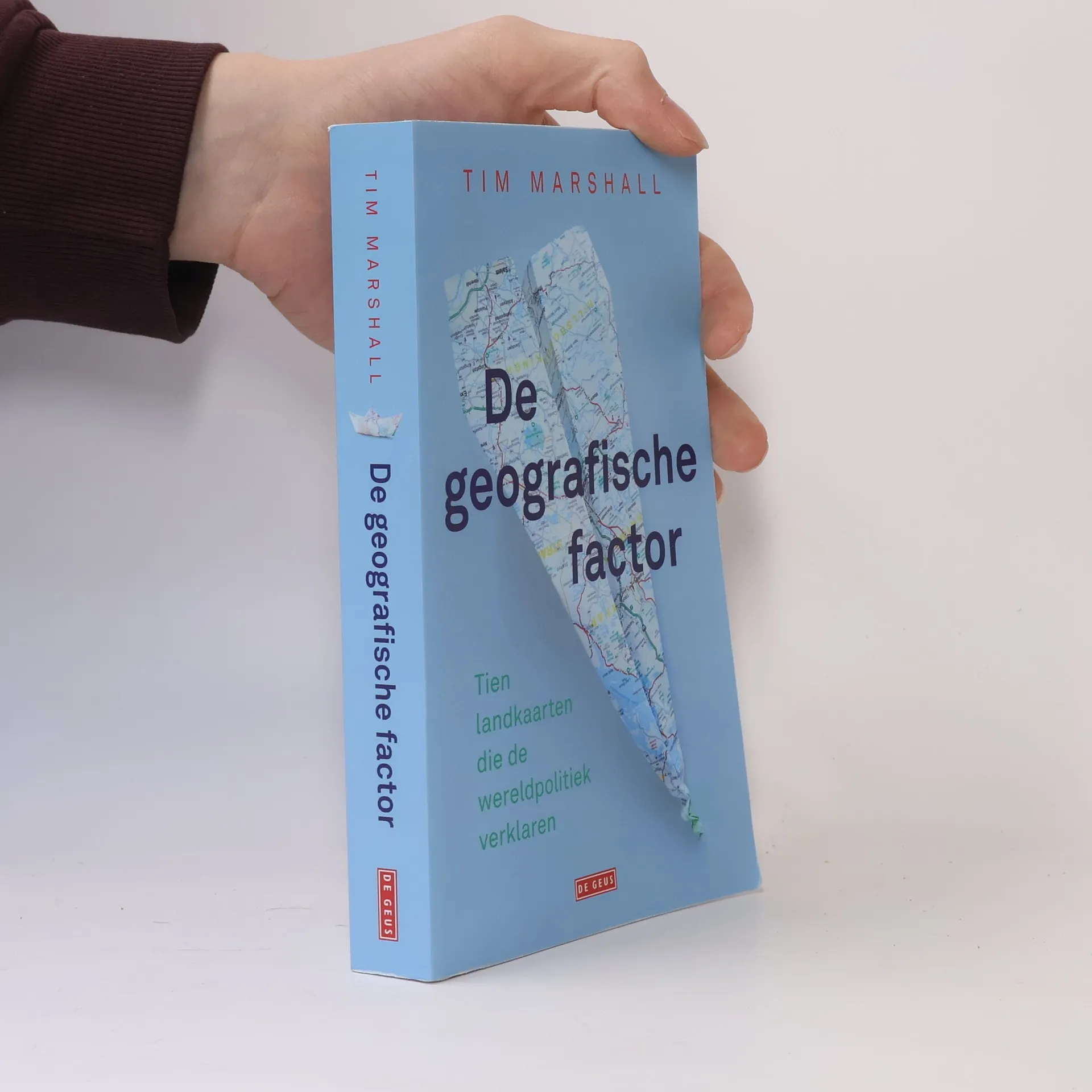
In the bestselling tradition of influential geopolitical works, an award-winning journalist utilizes ten maps to elucidate the geo-political strategies of world powers. Geography constrains leaders, limiting their choices based on mountains, rivers, seas, and urban landscapes. To grasp world events, it’s essential to consider geography alongside people, ideas, and political movements, as it provides a fuller understanding. The author examines key regions, including Russia, China, the USA, Latin America, the Middle East, Africa, Europe, Japan and Korea, and Greenland and the Arctic. By analyzing their weather, seas, mountains, rivers, deserts, and borders, he reveals how these physical characteristics influence each country's strengths, vulnerabilities, and decision-making processes. Through ten up-to-date maps, he presents the complex geo-political strategies of these regions in engaging prose. For instance, the implications of Russia's need for a navy amid frozen ports, China’s geographical constraints on its future, Europe’s perpetual disunity, and America’s security from invasion are explored. This work highlights the critical, yet often overlooked, role of geography in shaping global aspirations and historical events, serving as an essential guide to understanding the world’s political landscape.
Language


Book purchase
De geografische factor, Arian Verheij, John Scarlett, Tim Marshall
- Language

- Released
- 2019
- Binding
- (Paperback)
Payment methods
We’re missing your review here.
- Title
- De geografische factor
- Subtitle
- Tien landkaarten die de wereldpolitiek verklaren
- Language
- Dutch
- Authors
- Arian Verheij, John Scarlett, Tim Marshall
- Publisher
- De Geus
- Released
- 2019
- Format
- Paperback
- Pages
- 320
- ISBN10
- 9044542184
- ISBN13
- 9789044542189
- Series
- Categories
- Tags
- Politics, Russia, Japan, Africa, China, 21st Century, International Relations, History and Facts, Geopolitics, Latin America, Near and Middle East, Facts, Arctic
- First published
- 2015
- Original title
- Prisoners of Geography
- Rating
- 4.2 out of 5
- Description
- In the bestselling tradition of influential geopolitical works, an award-winning journalist utilizes ten maps to elucidate the geo-political strategies of world powers. Geography constrains leaders, limiting their choices based on mountains, rivers, seas, and urban landscapes. To grasp world events, it’s essential to consider geography alongside people, ideas, and political movements, as it provides a fuller understanding. The author examines key regions, including Russia, China, the USA, Latin America, the Middle East, Africa, Europe, Japan and Korea, and Greenland and the Arctic. By analyzing their weather, seas, mountains, rivers, deserts, and borders, he reveals how these physical characteristics influence each country's strengths, vulnerabilities, and decision-making processes. Through ten up-to-date maps, he presents the complex geo-political strategies of these regions in engaging prose. For instance, the implications of Russia's need for a navy amid frozen ports, China’s geographical constraints on its future, Europe’s perpetual disunity, and America’s security from invasion are explored. This work highlights the critical, yet often overlooked, role of geography in shaping global aspirations and historical events, serving as an essential guide to understanding the world’s political landscape.