

Sold out but wanted!
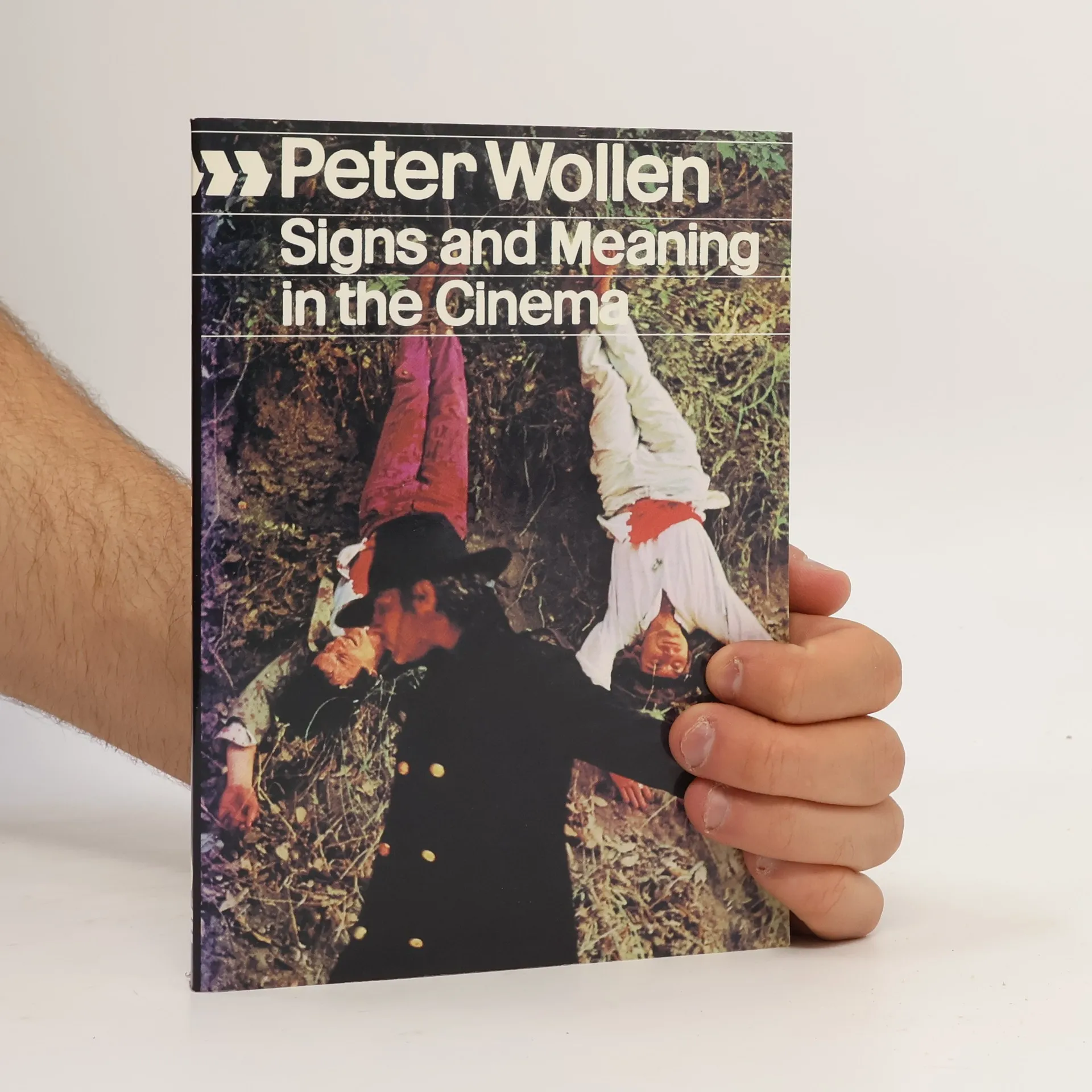
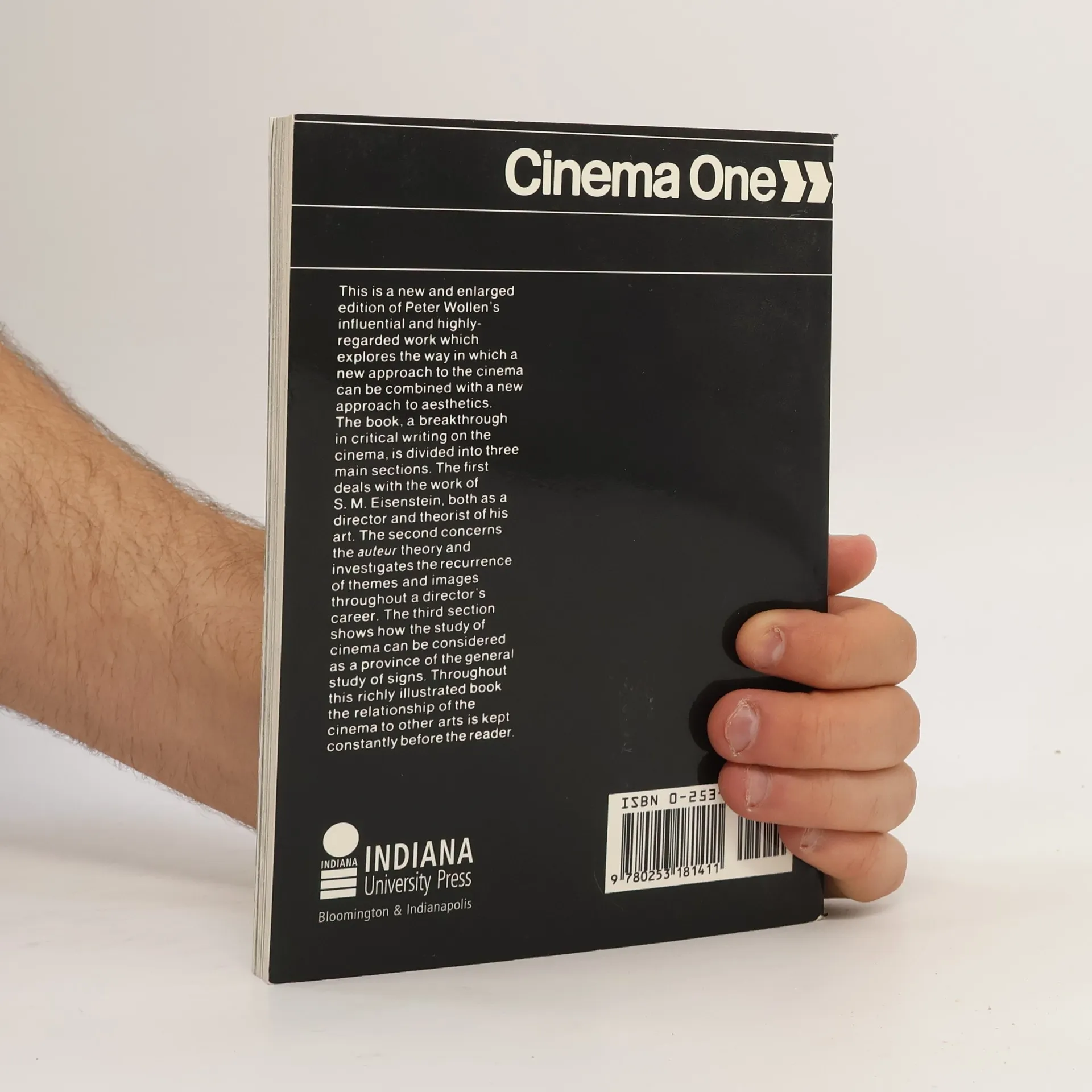
More about the book
"Without doubt, it is the best study of cinema published in English for years." ―Cinema "... a major achievement... drawing on the results of aesthetic inquiry―from Shaftesbury and Lessing to Jakobson and the formalists―in order to relate the cinema to wider areas of linguistic theory and theory of art." ―Times Literary Supplement


Book purchase
Signs and Meaning in the Cinema, Peter Wollen
- Language

- Released
- 2002
- Binding
- (Paperback)
We’ll email you as soon as we track it down.
Payment methods
No one has rated yet.
- Title
- Signs and Meaning in the Cinema
- Language
- English
- Authors
- Peter Wollen
- Publisher
- Indiana University Press
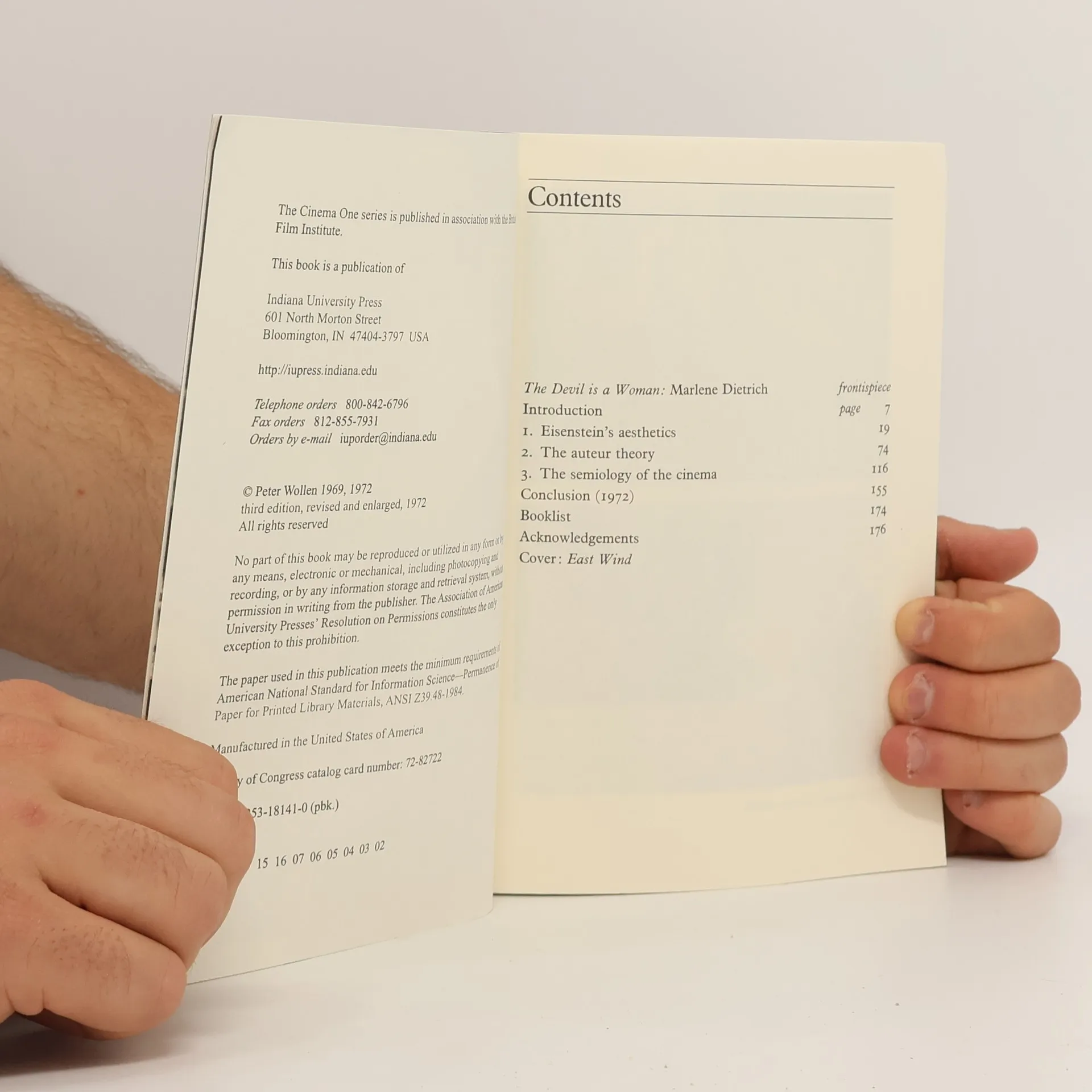
- Released
- 2002
- Format
- Paperback
- Pages
- 176
- ISBN10
- 0253181410
- ISBN13
- 9780253181411
- Series
- Categories
- Description
- "Without doubt, it is the best study of cinema published in English for years." ―Cinema "... a major achievement... drawing on the results of aesthetic inquiry―from Shaftesbury and Lessing to Jakobson and the formalists―in order to relate the cinema to wider areas of linguistic theory and theory of art." ―Times Literary Supplement