

Sold out
Parameters
- 64 pages
- 3 hours of reading
More about the book
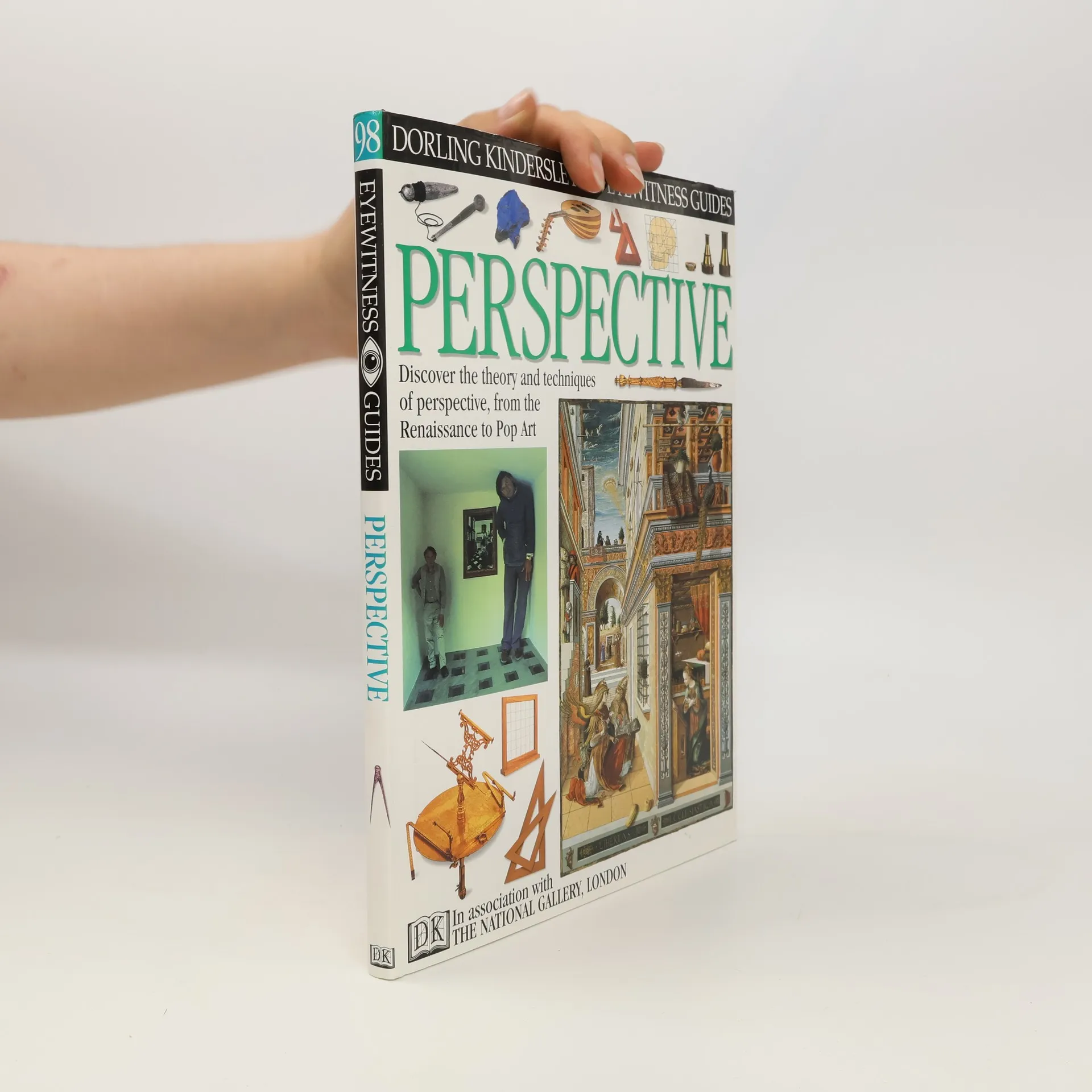
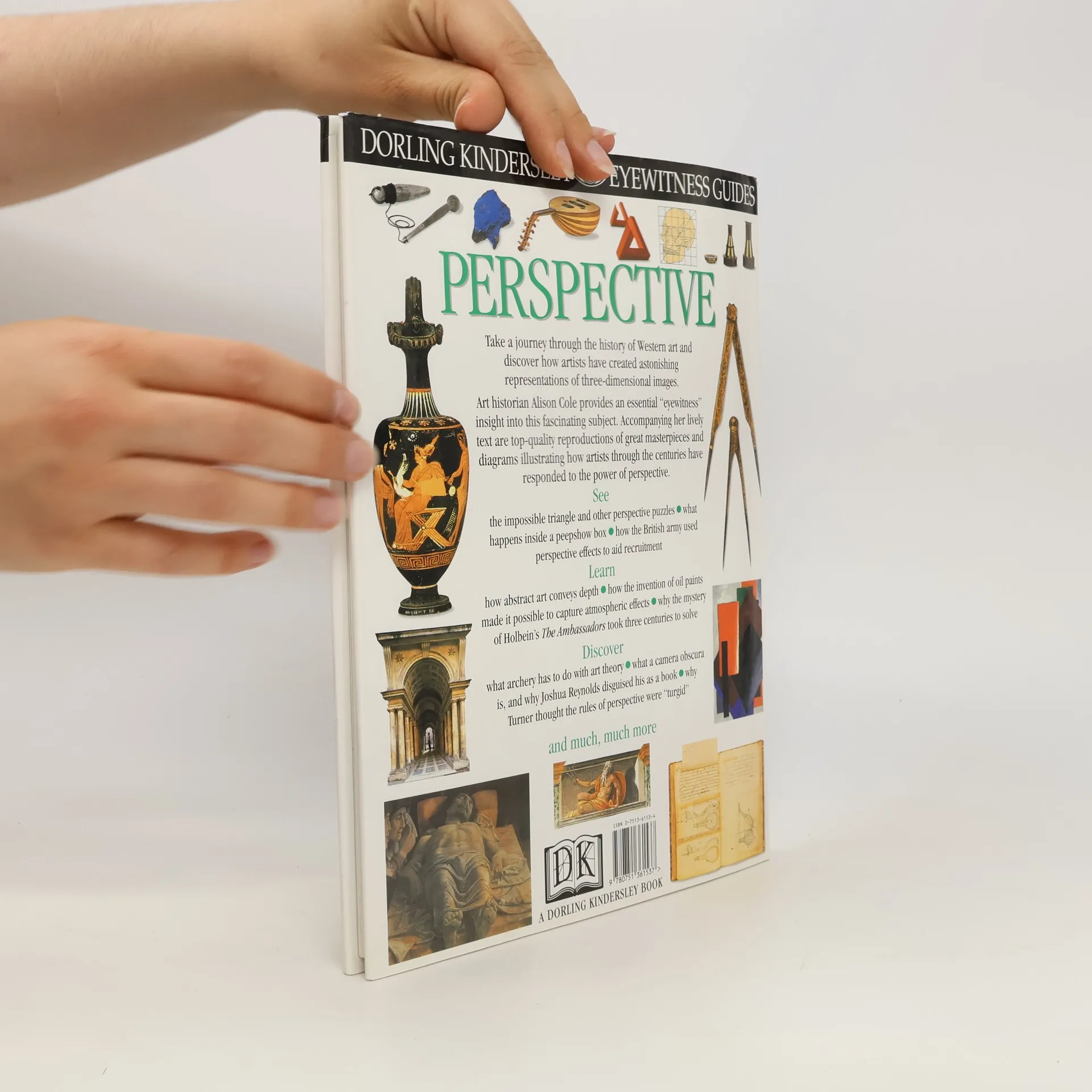
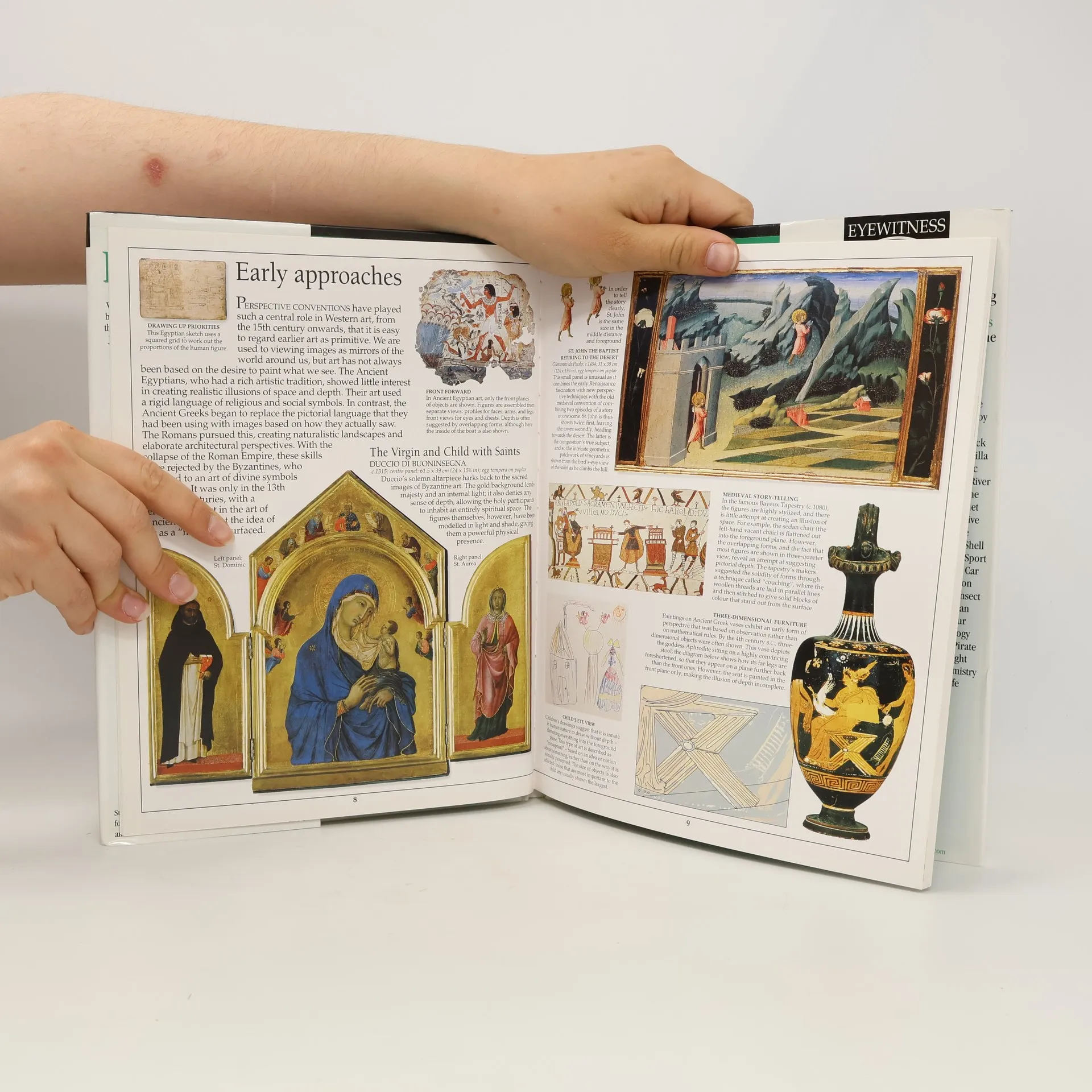
Since the principles of perspective were first demonstrated in Renaissance Italy, the interpretation of depth and space has held a central place in Western art. From the 15th century onwards, artists have endeavoured to present three-dimensional images that are as close as possible to what we actually see. When the Italian artist Alberti published his geometrical method for re-creating accurate perspectives, he transformed the art world, and led artists such as Leonardo da Vinci to produce ever more life-like illusions of space and distance. In the 20th century, artists such as Picasso often rejected classical principles in favour of distorted viewpoints.
Book purchase
Eyewitness Guides - 98: Perspective, Alison Ambrose, Alison Cole
- Language

- Released
- 1992
- Binding
- (Hardcover)
We’ll email you as soon as we track it down.
Payment methods
No one has rated yet.
- Title
- Eyewitness Guides - 98: Perspective
- Subtitle
- Discover the Theory and Techniques of Perspective, from the Renaissance to Pop Art
- Language
- English
- Authors
- Alison Ambrose, Alison Cole
- Publisher
- Dorling Kindersley
- Released
- 1992
- Format
- Hardcover
- Pages
- 64
- ISBN10
- 0751361534
- ISBN13
- 9780751361537
- Series
- Categories
- Description
- Since the principles of perspective were first demonstrated in Renaissance Italy, the interpretation of depth and space has held a central place in Western art. From the 15th century onwards, artists have endeavoured to present three-dimensional images that are as close as possible to what we actually see. When the Italian artist Alberti published his geometrical method for re-creating accurate perspectives, he transformed the art world, and led artists such as Leonardo da Vinci to produce ever more life-like illusions of space and distance. In the 20th century, artists such as Picasso often rejected classical principles in favour of distorted viewpoints.