

Parameters
- 112 pages
- 4 hours of reading
More about the book
What is the nature of power in society and how can we study it? How do some lose and others benefit from the distribution of power? Why do some groups always seem to be at an advantage in disputes? In this useful and compact treatment, Keith Dowding provides an introduction to the study of political power that overcomes many of the old disputes about the nature and structure of power in society. Making the important distinction between power and luck, Dowding develops the concept of systematic luck and explains how some groups get what they want without trying, while the efforts of others are little rewarded. He discusses the "who benefits?" test, arguing that it cannot reveal who has power because many benefit through luck and others are systematically lucky. Power does not simply put forward theoretical arguments, however; relevant concepts are used to illustrate and explain the debates on power at both the national and local level. Clearly and accessibly written, this volume is a valuable resource for anyone interested in the structure of society as it is, and as it should be.
Book purchase
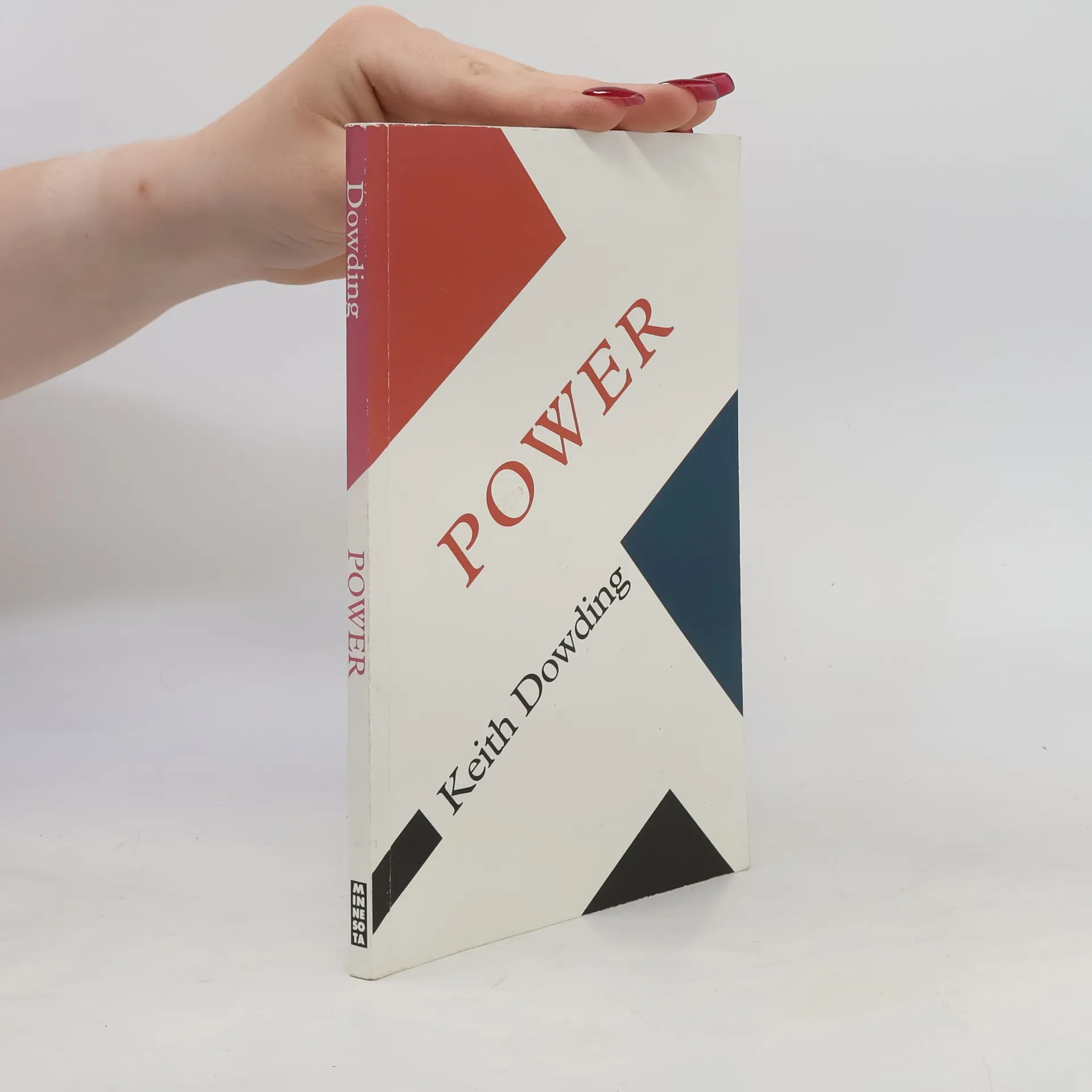
Power, Keith M. Dowding
- Language

- Released
- 1996
- Binding
- (Paperback)
Payment methods
No one has rated yet.
- Title
- Power
- Language
- English
- Authors
- Keith M. Dowding
- Publisher
- University of Minnesota Press
- Released
- 1996
- Format
- Paperback
- Pages
- 112
- ISBN10
- 0816629412
- ISBN13
- 9780816629411
- Series
- Description
- What is the nature of power in society and how can we study it? How do some lose and others benefit from the distribution of power? Why do some groups always seem to be at an advantage in disputes? In this useful and compact treatment, Keith Dowding provides an introduction to the study of political power that overcomes many of the old disputes about the nature and structure of power in society. Making the important distinction between power and luck, Dowding develops the concept of systematic luck and explains how some groups get what they want without trying, while the efforts of others are little rewarded. He discusses the "who benefits?" test, arguing that it cannot reveal who has power because many benefit through luck and others are systematically lucky. Power does not simply put forward theoretical arguments, however; relevant concepts are used to illustrate and explain the debates on power at both the national and local level. Clearly and accessibly written, this volume is a valuable resource for anyone interested in the structure of society as it is, and as it should be.