

More about the book
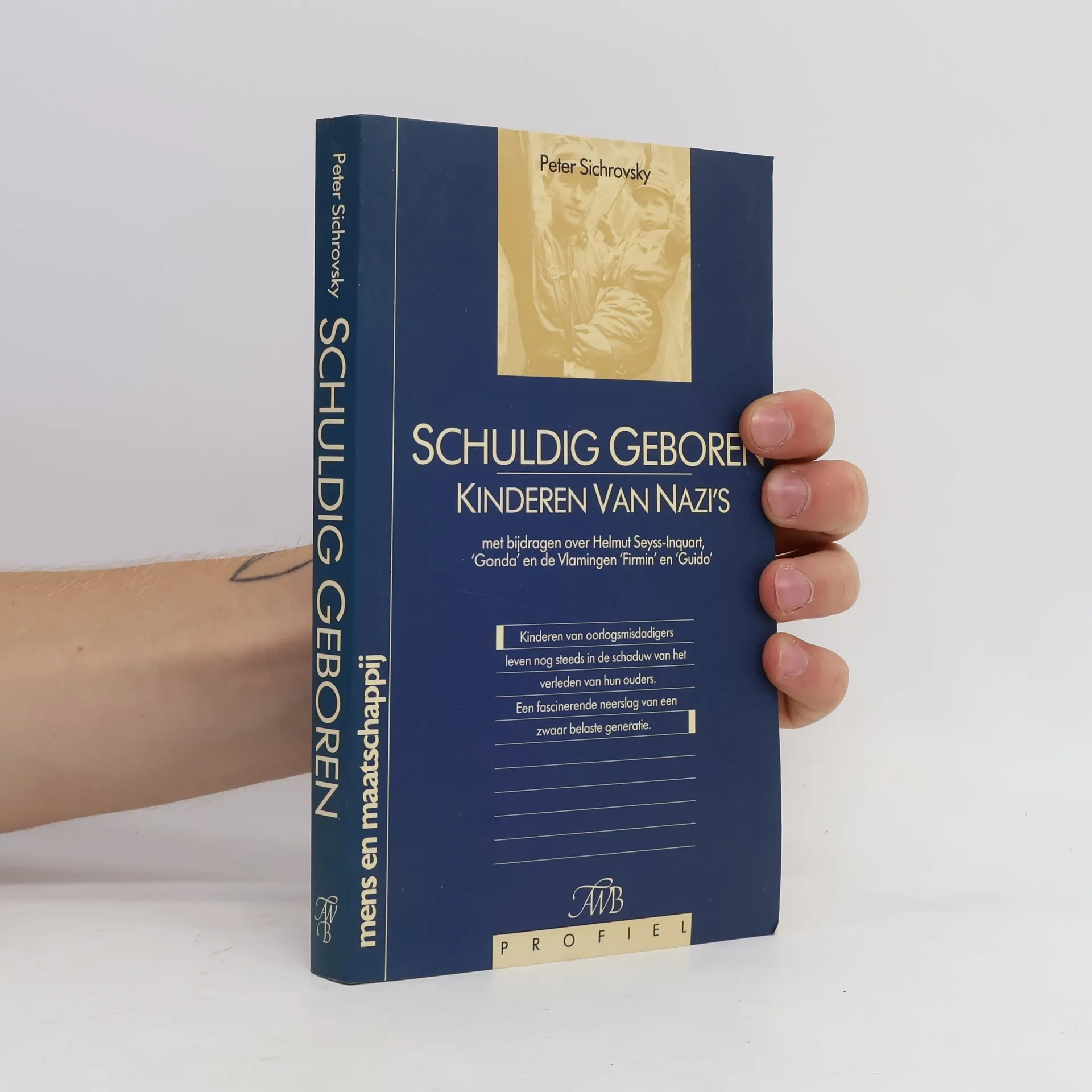
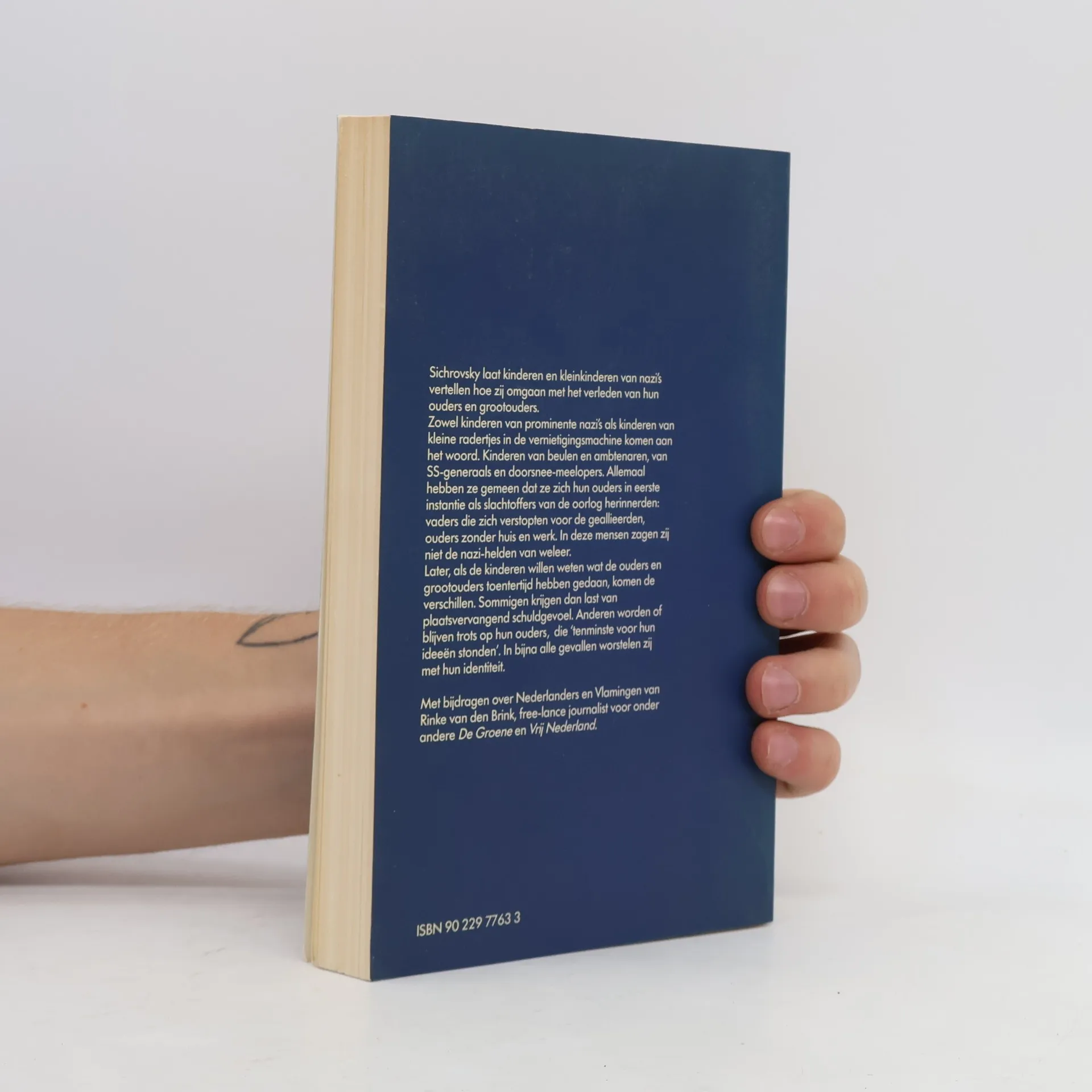
When this remarkable book was first published in Germany, it created an immediate sensation--and small wonder. For, in Born Guilty , Peter Sichrovsky has confronted head-on the issue of war guilt at the most personal level: he has talked to the children (and grandchildren) of former Nazi war criminals in order to find out how they have dealt with this burden of "inherited guilt." What did they really know about their parents' wartime activities, and how did they find out? More deeply, how did they react as suspicions hardened into certain knowledge--with rejection, "understanding," or confusion? And how will they transmit this knowledge to their own children? Peter Sichrovsky, a distinguished Austrian journalist, whose widely acclaimed Strangers in Their Own Land sensitively portrayed the lives of the children of Jewish victims living in Germany and Austria today, here turns his attention to the children of the perpetrators. His penetrating and often moving interviews with the sons and daughters of Nazis, some famous, some not, convey perhaps as never before the painful struggle to accept and come to terms with the terrible burden of their parents' guilt.

Book purchase
Mens en maatschappij: Schuldig geboren, Peter Sichrovsky, Helmut Seyss-Inquart, Gonda, Firmin, Guido
- Language

- Released
- 1987
- Binding
- (Paperback),
- Book condition
- Good
- Price
- €4.09
Payment methods
We’re missing your review here.
- Title
- Mens en maatschappij: Schuldig geboren
- Subtitle
- Kinderen van nazi's
- Language
- Dutch
- Authors
- Peter Sichrovsky, Helmut Seyss-Inquart, Gonda, Firmin, Guido
- Publisher
- A.W. Bruna & Zoon
- Released
- 1987
- Format
- Paperback
- Pages
- 179
- ISBN10
- 9022977633
- ISBN13
- 9789022977637
- Series
- Original title
- Schuldig geboren
- Rating
- 3.8 out of 5
- Description
- When this remarkable book was first published in Germany, it created an immediate sensation--and small wonder. For, in Born Guilty , Peter Sichrovsky has confronted head-on the issue of war guilt at the most personal level: he has talked to the children (and grandchildren) of former Nazi war criminals in order to find out how they have dealt with this burden of "inherited guilt." What did they really know about their parents' wartime activities, and how did they find out? More deeply, how did they react as suspicions hardened into certain knowledge--with rejection, "understanding," or confusion? And how will they transmit this knowledge to their own children? Peter Sichrovsky, a distinguished Austrian journalist, whose widely acclaimed Strangers in Their Own Land sensitively portrayed the lives of the children of Jewish victims living in Germany and Austria today, here turns his attention to the children of the perpetrators. His penetrating and often moving interviews with the sons and daughters of Nazis, some famous, some not, convey perhaps as never before the painful struggle to accept and come to terms with the terrible burden of their parents' guilt.