


More about the book
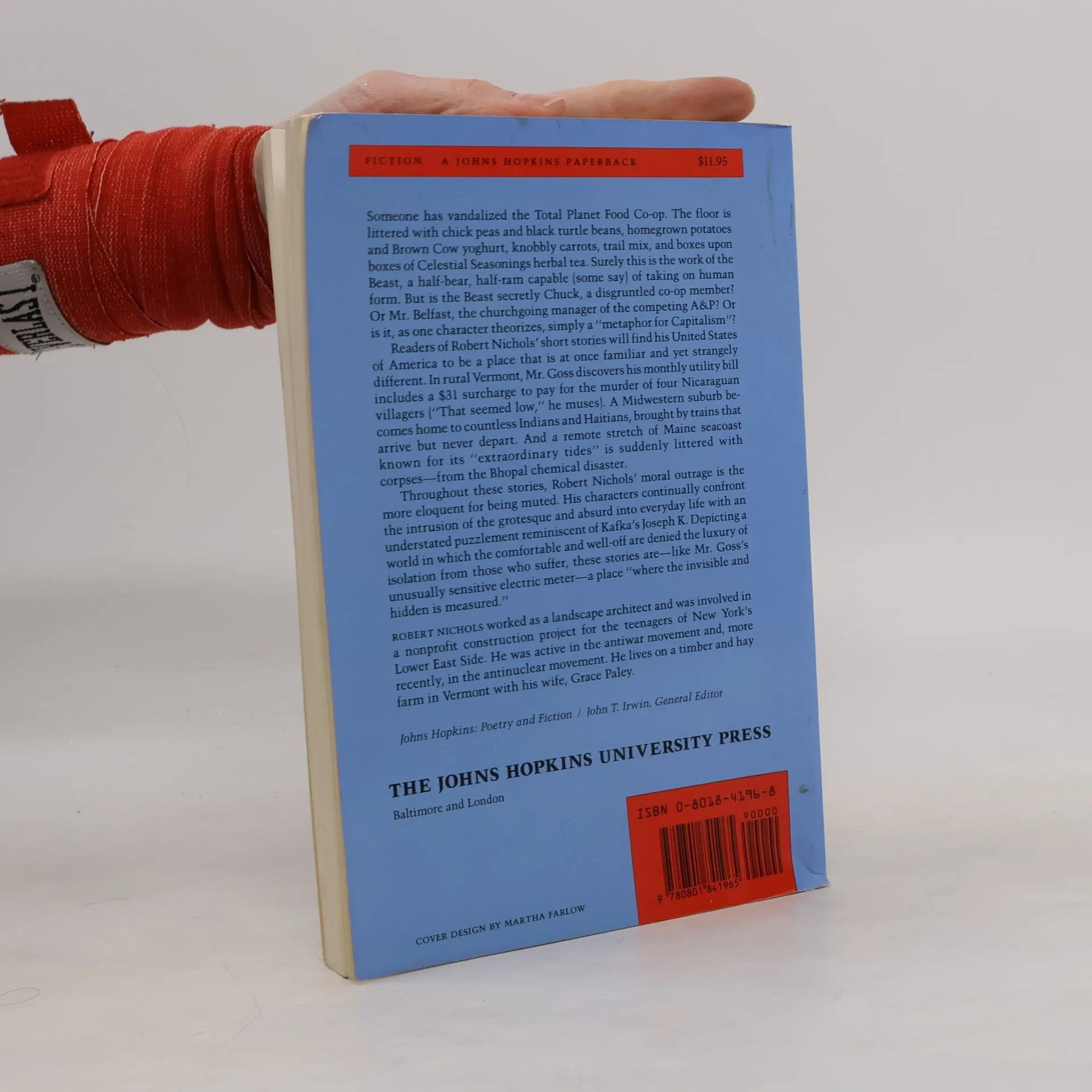
The Total Planet Food Co-op has been vandalized, leaving a chaotic scene of scattered food items. The culprit is suspected to be the Beast, a half-bear, half-ram creature rumored to take human form. Suspicions fall on various characters, including Chuck, a disgruntled co-op member, and Mr. Belfast, the churchgoing manager of a rival store. One character even suggests the Beast might symbolize Capitalism itself. In this collection, the author presents a familiar yet unsettling version of America. In rural Vermont, Mr. Goss finds a utility bill that includes a surcharge for the murder of Nicaraguan villagers, prompting a grim reflection. A Midwest bus station serves as a refuge for countless displaced individuals, while a remote Maine coast is suddenly filled with corpses from a chemical disaster. Nichols' moral outrage is conveyed with subtlety, as characters face the absurdities and grotesque realities of life with a bewildered acceptance akin to Kafka's Joseph K. These stories illustrate a world where the privileged cannot escape the suffering of others, revealing a hidden reality that is poignantly measured, much like Mr. Goss's sensitive electric meter.
Book purchase
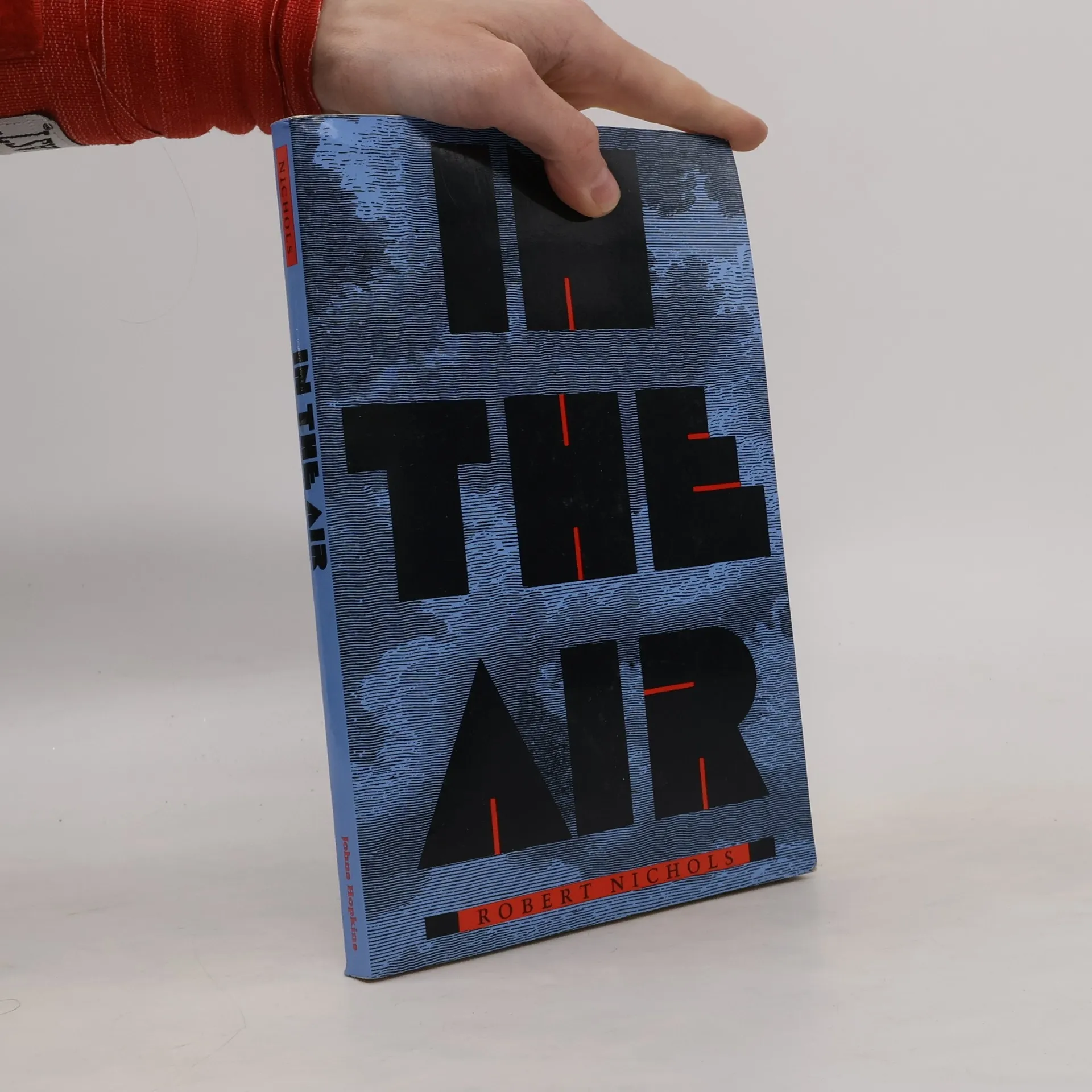
Johns Hopkins Poetry and Fiction: In the Air, Robert Nichols
- Language

- Released
- 1991
- Binding
- (Paperback),
- Book condition
- Good
- Price
- €3.59
Payment methods
No one has rated yet.
- Title
- Johns Hopkins Poetry and Fiction: In the Air
- Language
- English
- Authors
- Robert Nichols
- Publisher
- Johns Hopkins University Press
- Released
- 1991
- Format
- Paperback
- Pages
- 192
- ISBN10
- 0801841968
- ISBN13
- 9780801841965
- Series
- Tags
- Description
- The Total Planet Food Co-op has been vandalized, leaving a chaotic scene of scattered food items. The culprit is suspected to be the Beast, a half-bear, half-ram creature rumored to take human form. Suspicions fall on various characters, including Chuck, a disgruntled co-op member, and Mr. Belfast, the churchgoing manager of a rival store. One character even suggests the Beast might symbolize Capitalism itself. In this collection, the author presents a familiar yet unsettling version of America. In rural Vermont, Mr. Goss finds a utility bill that includes a surcharge for the murder of Nicaraguan villagers, prompting a grim reflection. A Midwest bus station serves as a refuge for countless displaced individuals, while a remote Maine coast is suddenly filled with corpses from a chemical disaster. Nichols' moral outrage is conveyed with subtlety, as characters face the absurdities and grotesque realities of life with a bewildered acceptance akin to Kafka's Joseph K. These stories illustrate a world where the privileged cannot escape the suffering of others, revealing a hidden reality that is poignantly measured, much like Mr. Goss's sensitive electric meter.