



Parameters
- 246 pages
- 9 hours of reading
More about the book
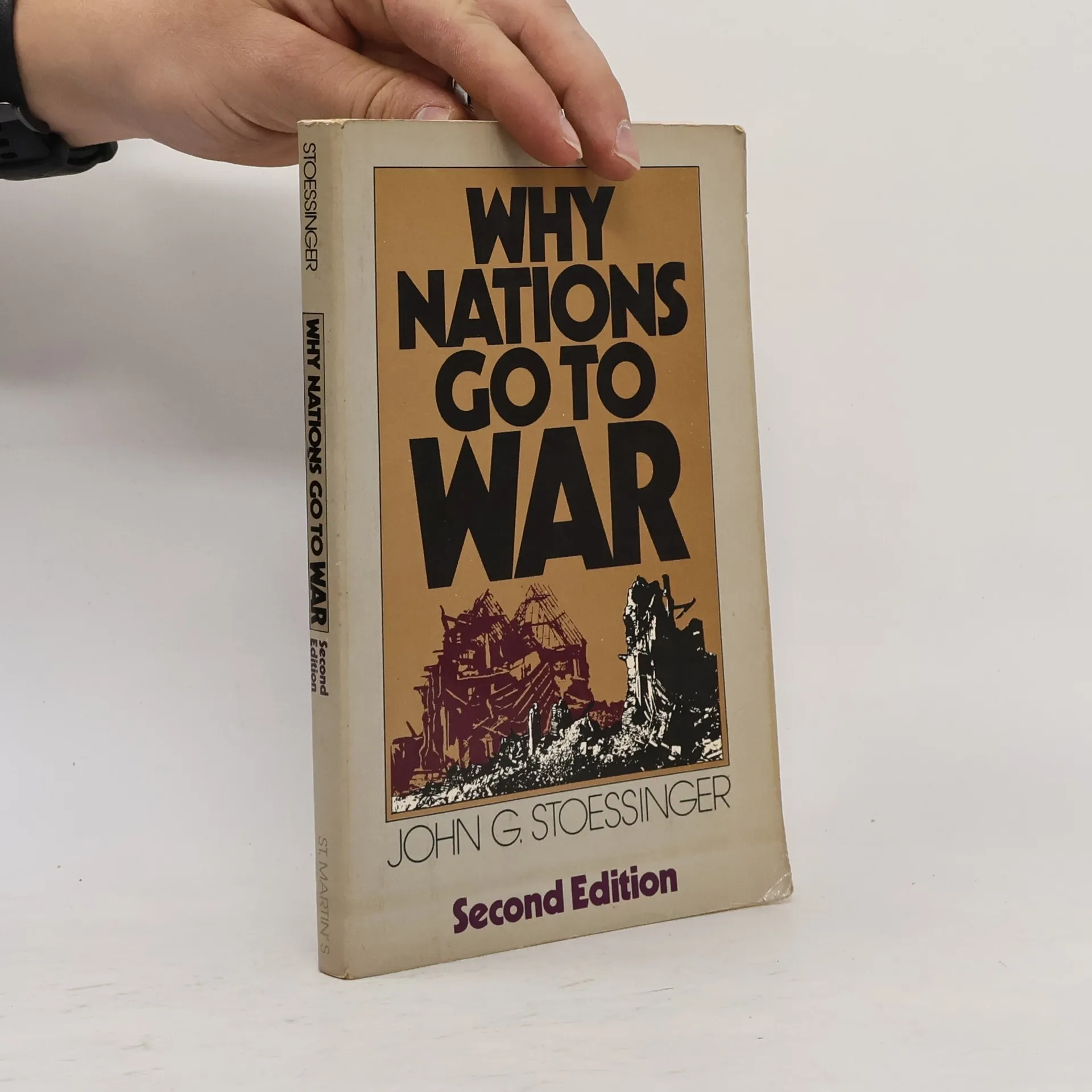
Why Nations Go to War emphasizes the human decisions involved when nations enter into war. The author utilizes case studies of major 20th-century conflicts - including World War I, World War II, the Korean War, the Vietnam War, the Indian-Pakistani War, the Arab-Israeli Wars and the Persian Gulf War - to examine the stages that culminate in a leaders choice to bring a nation into war. The book provides vivid coverage of how misjudgments and misunderstandings influence the decisions of leaders and have dramatic consequences for world history. Stoessinger concludes with a discussion of prospects for a more peaceful future, including proposals for enduring peace treaties that are negotiated on the basis of equality.
Book purchase
Why Nations Go to War, John George Stoessinger
- Language

- Released
- 1978
- product-detail.submit-box.info.binding
- (Paperback),
- Book condition
- Damaged
- Price
- €8.89
Payment methods
No one has rated yet.
- Subtitle
- Second Edition
- Language
- English
- Authors
- John George Stoessinger
- Publisher
- St. Martin's Press
- Released
- 1978
- Format
- Paperback
- Pages
- 246
- ISBN10
- 0312878524
- ISBN13
- 9780312878528
- Series
- Tags
- Non-Fiction, Political Science & Politics, Politics, Military Fiction, Wars, International Relations
- Description
- Why Nations Go to War emphasizes the human decisions involved when nations enter into war. The author utilizes case studies of major 20th-century conflicts - including World War I, World War II, the Korean War, the Vietnam War, the Indian-Pakistani War, the Arab-Israeli Wars and the Persian Gulf War - to examine the stages that culminate in a leaders choice to bring a nation into war. The book provides vivid coverage of how misjudgments and misunderstandings influence the decisions of leaders and have dramatic consequences for world history. Stoessinger concludes with a discussion of prospects for a more peaceful future, including proposals for enduring peace treaties that are negotiated on the basis of equality.