

Parameters
- 310 pages
- 11 hours of reading
More about the book
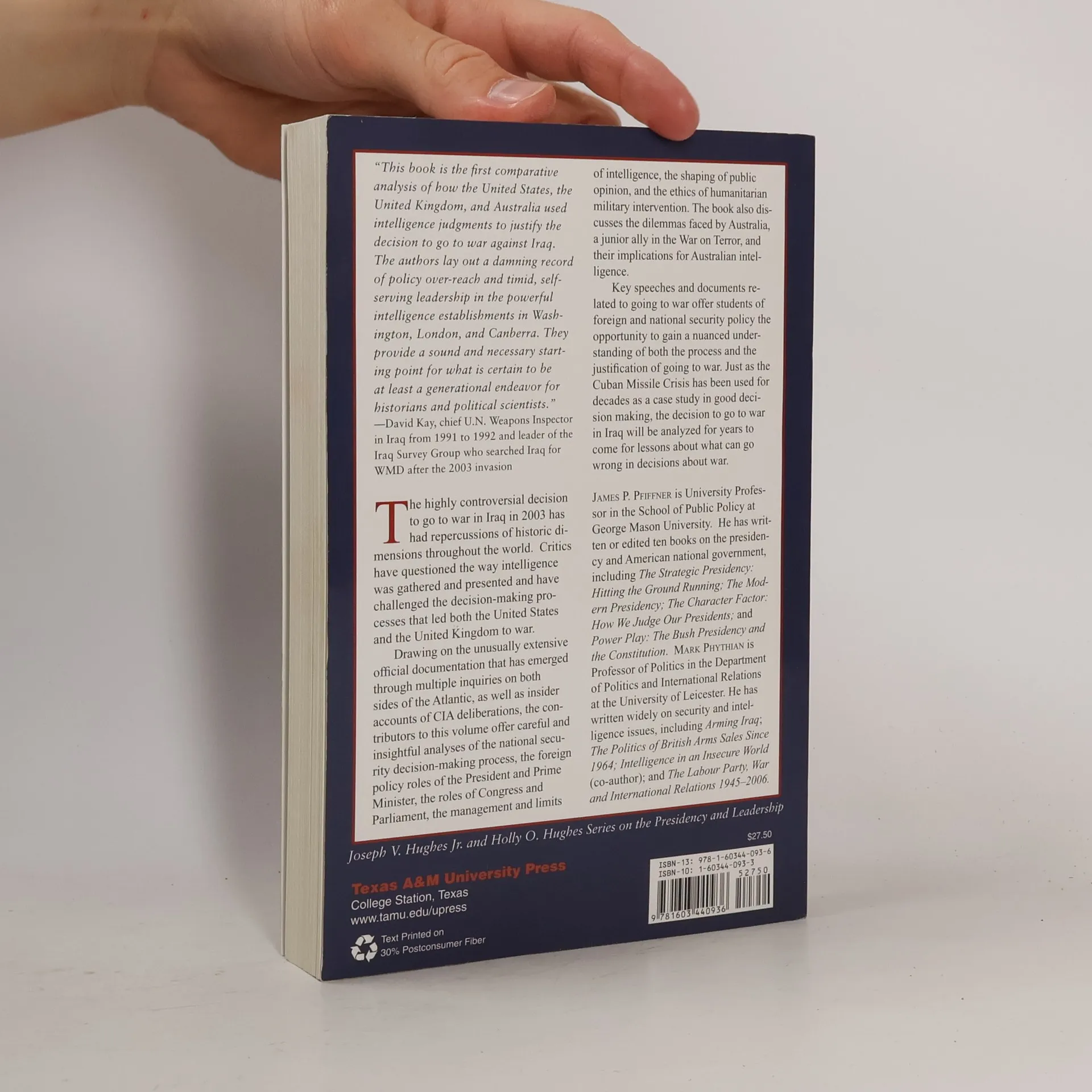
The highly controversial decision to go to war in Iraq in 2003 has had repercussions of historic dimensions throughout the world. Critics have questioned the way intelligence was gathered and presented and have challenged the decision-making processes that led both the United States and the United Kingdom to war.Drawing on the unusually extensive official documentation from both sides of the Atlantic, as well as insider accounts of CIA deliberations, the contributors to this volume offer insightful analyses of the national security decision-making process, the foreign policy roles of the President and Prime Minister, the roles of Congress and Parliament, the management and limits of intelligence, the shaping of public opinion, and the ethics of humanitarian military intervention. The book also discusses the dilemmas faced by Australia and their implications for Australian intelligence.Key speeches and documents related to going to war offer students of foreign and national security policy the opportunity to gain a nuanced understanding of both the process and the justification of going to war. Just as the Cuban Missile Crisis has been used for decades as a case study in good decision making, the decision to go to war in Iraq will be analyzed for years to come for lessons about what can go wrong in decisions about war.
Book purchase
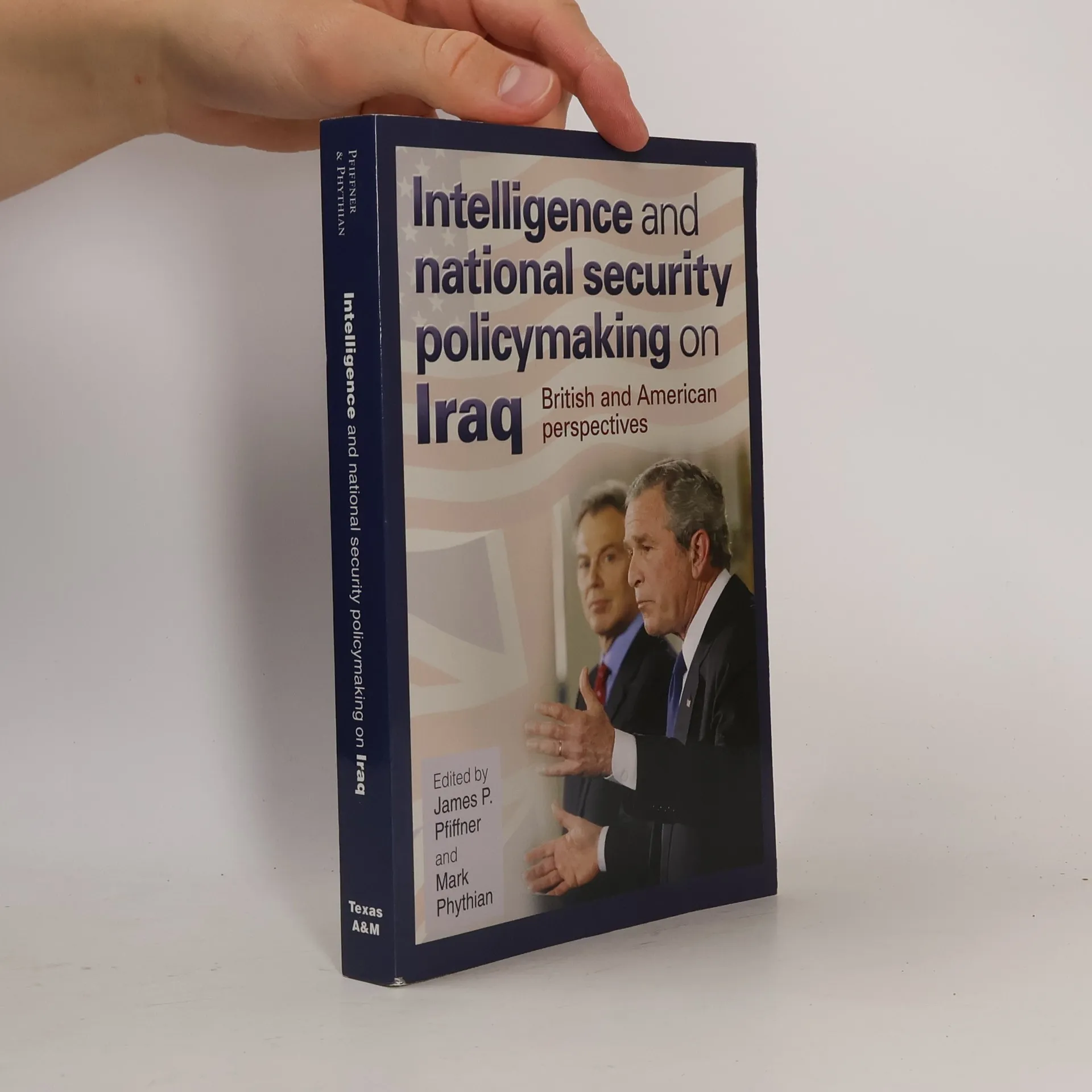
Intelligence and National Security Policymaking on Iraq, James P. Pfiffner, Mark Phythian
- Language

- Released
- 2008
- Binding
- (Paperback)
Payment methods
No one has rated yet.
- Title
- Intelligence and National Security Policymaking on Iraq
- Subtitle
- British and American Perspectives
- Language
- English
- Authors
- James P. Pfiffner, Mark Phythian
- Publisher
- Texas A&M University Press
- Released
- 2008
- Format
- Paperback
- Pages
- 310
- ISBN10
- 1603440933
- ISBN13
- 9781603440936
- Series
- Categories
- Description
- The highly controversial decision to go to war in Iraq in 2003 has had repercussions of historic dimensions throughout the world. Critics have questioned the way intelligence was gathered and presented and have challenged the decision-making processes that led both the United States and the United Kingdom to war.Drawing on the unusually extensive official documentation from both sides of the Atlantic, as well as insider accounts of CIA deliberations, the contributors to this volume offer insightful analyses of the national security decision-making process, the foreign policy roles of the President and Prime Minister, the roles of Congress and Parliament, the management and limits of intelligence, the shaping of public opinion, and the ethics of humanitarian military intervention. The book also discusses the dilemmas faced by Australia and their implications for Australian intelligence.Key speeches and documents related to going to war offer students of foreign and national security policy the opportunity to gain a nuanced understanding of both the process and the justification of going to war. Just as the Cuban Missile Crisis has been used for decades as a case study in good decision making, the decision to go to war in Iraq will be analyzed for years to come for lessons about what can go wrong in decisions about war.