

More about the book
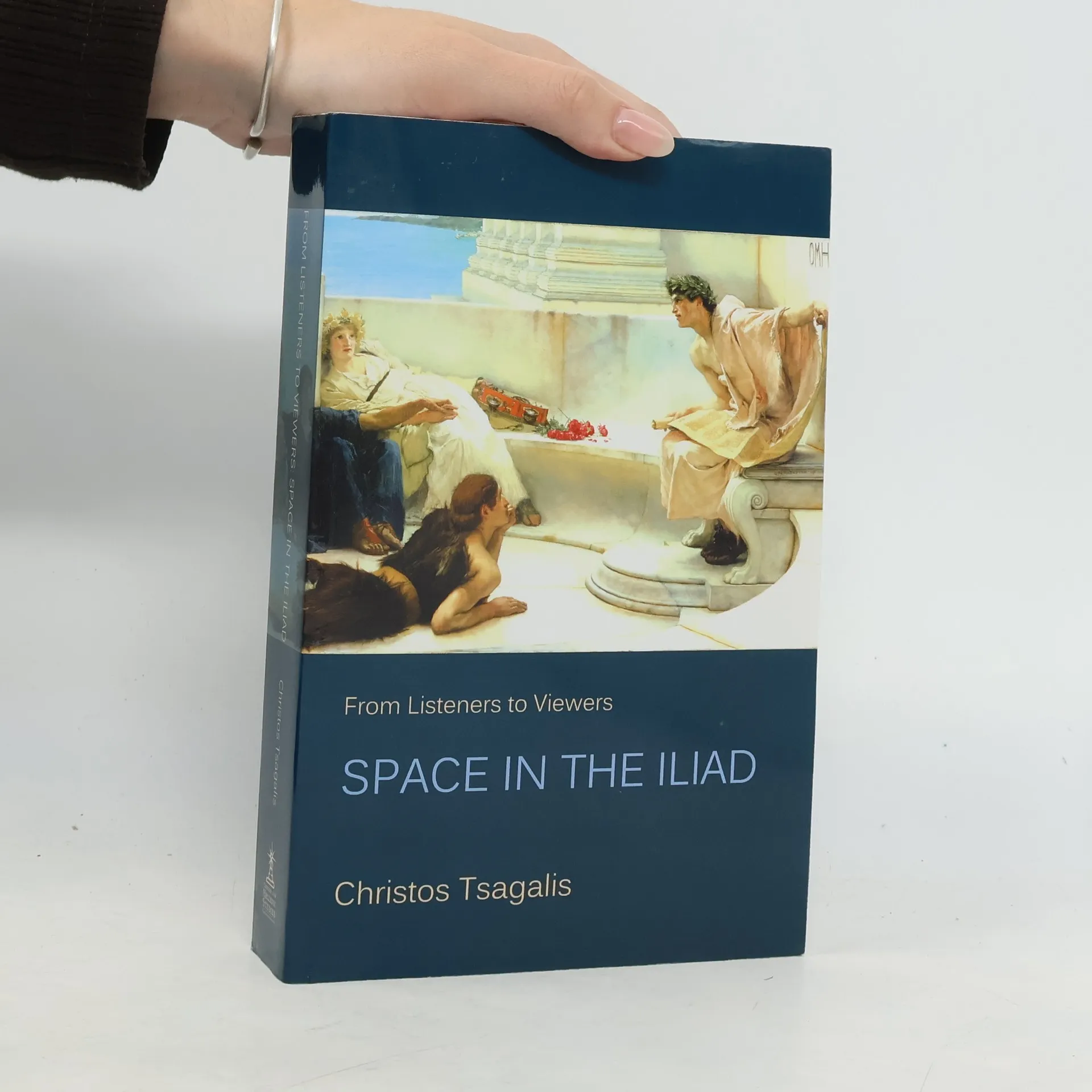
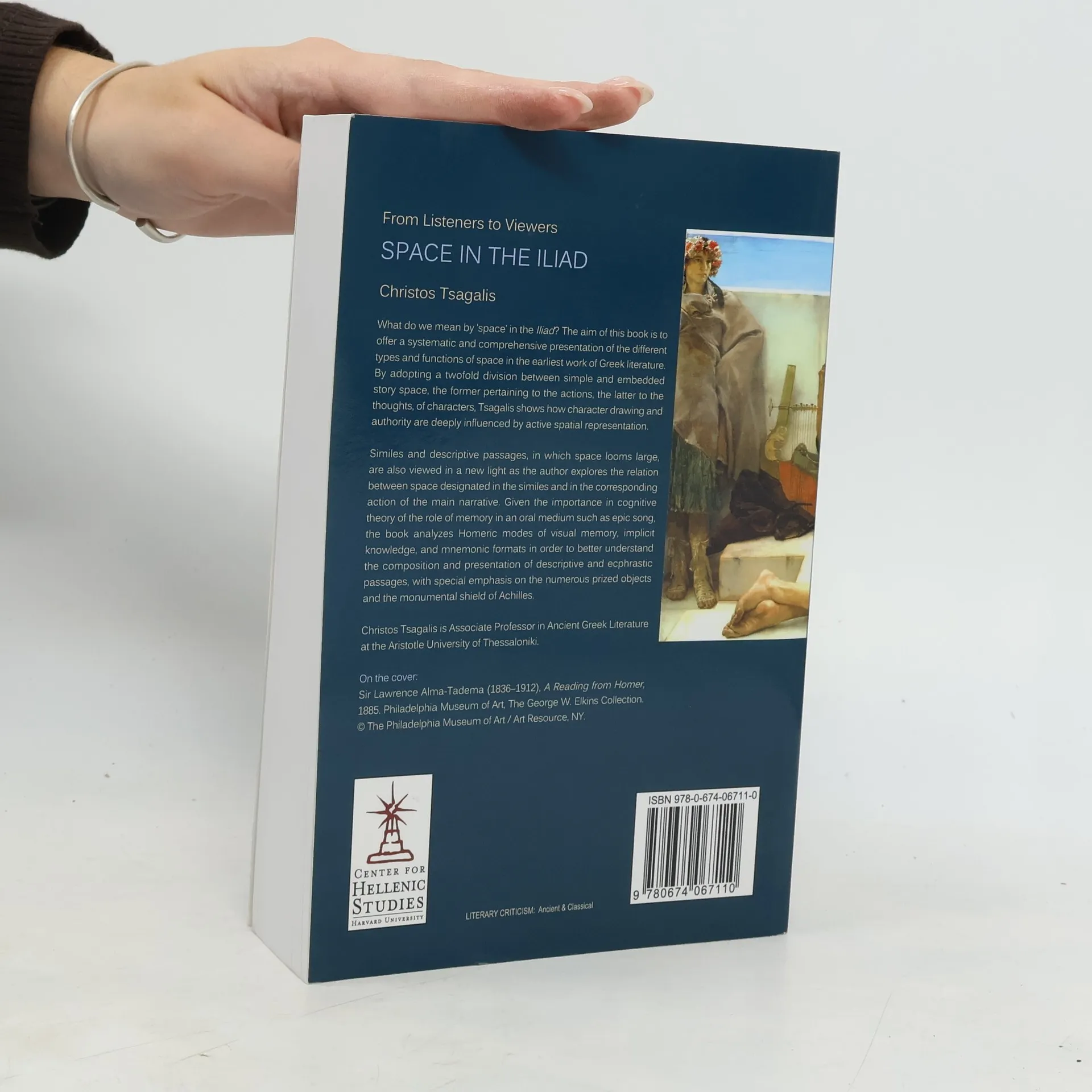
What do we mean by “space” in the Iliad ? The aim of this book is to offer a systematic and comprehensive presentation of the different types and functions of space in the earliest work of Greek literature. By adopting a twofold division between simple and embedded story space, the former pertaining to the actions of characters and the latter to their thoughts, Christos Tsagalis shows how character drawing and authority are deeply influenced by active spatial representation.Similes and descriptive passages, in which space looms large, are also viewed in a new light as the author explores the relation between space designated in the similes and in the corresponding action of the main narrative. Given the importance in cognitive theory of the role of memory in an oral medium such as epic song, the book analyzes Homeric modes of visual memory, implicit knowledge, and mnemonic formats in order to better understand the composition and presentation of descriptive and ekphrastic passages, with special emphasis on the numerous prized objects and the monumental shield of Achilles.
Book purchase
From Listeners to Viewers, Christos Tsagalis
- Language

- Released
- 2012
- Binding
- (Paperback)
Payment methods
No one has rated yet.
- Title
- From Listeners to Viewers
- Subtitle
- Space in the Iliad
- Language
- English
- Authors
- Christos Tsagalis
- Publisher
- Center for Hellenic Studies
- Released
- 2012
- Format
- Paperback
- Pages
- 566
- ISBN10
- 0674067118
- ISBN13
- 9780674067110
- Series
- Description
- What do we mean by “space” in the Iliad ? The aim of this book is to offer a systematic and comprehensive presentation of the different types and functions of space in the earliest work of Greek literature. By adopting a twofold division between simple and embedded story space, the former pertaining to the actions of characters and the latter to their thoughts, Christos Tsagalis shows how character drawing and authority are deeply influenced by active spatial representation.Similes and descriptive passages, in which space looms large, are also viewed in a new light as the author explores the relation between space designated in the similes and in the corresponding action of the main narrative. Given the importance in cognitive theory of the role of memory in an oral medium such as epic song, the book analyzes Homeric modes of visual memory, implicit knowledge, and mnemonic formats in order to better understand the composition and presentation of descriptive and ekphrastic passages, with special emphasis on the numerous prized objects and the monumental shield of Achilles.