

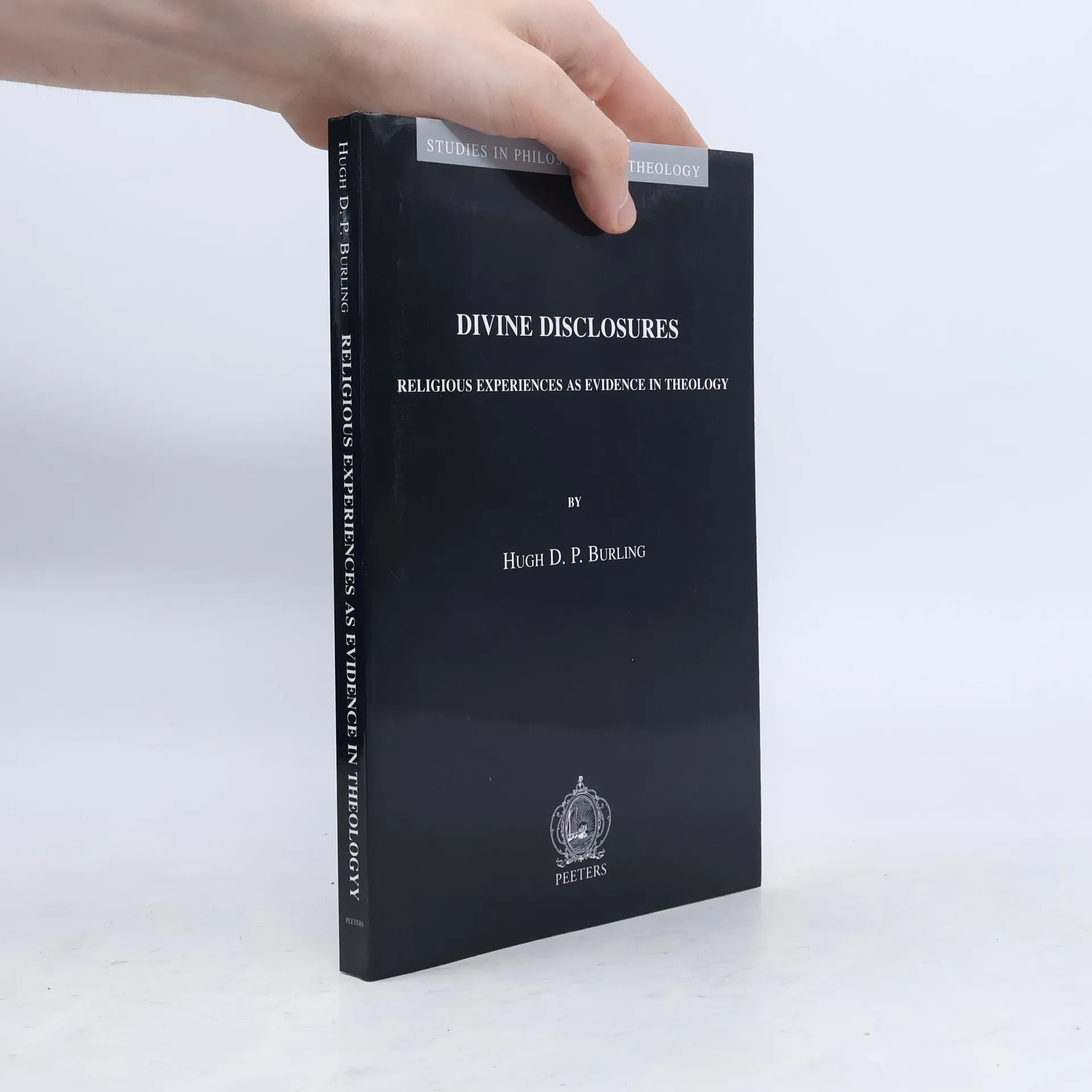


More about the book
Are religious experiences evidence about God's nature? How should we judge between two religious experiences with conflicting contents, when both have passed the tests we would normally use to sort reliable from misleading experiences? Divine Disclosures argues that the best arguments for skepticism about religious experience stem from a lack of a good answer to the second question, and sets out to devise and defend a method for evaluating religious experiences in a way that avoids charges of vicious circularity and lack of precision. On the way, it presents contributions to the use of decision and probability theory in meta-ethics and philosophy of religion, and applies contemporary philosophy of language to method in theology to argue that all parties to debates about God's nature must agree on a root understanding of God as a perfect being.
Book purchase
Studies in Philosophical Theology - 71: Divine Disclosures, Hugh D. P. Burling
- Language

- Released
- 2023
- Binding
- (Paperback),
- Book condition
- Good
- Price
- €10.99
Payment methods
No one has rated yet.
- Title
- Studies in Philosophical Theology - 71: Divine Disclosures
- Subtitle
- Religous Experiences as Evidence in Theology
- Language
- English
- Authors
- Hugh D. P. Burling
- Publisher
- Peeters Publishers & Booksellers
- Released
- 2023
- Format
- Paperback
- Pages
- 217
- ISBN10
- 9042950803
- ISBN13
- 9789042950801
- Series
- Categories
- Tags
- Religious Topics, Philosophical Topics, Spirituality, Christian Themes, Theology, Ethics, Mysticism, Philosophy and Religion, Humanities
- Description
- Are religious experiences evidence about God's nature? How should we judge between two religious experiences with conflicting contents, when both have passed the tests we would normally use to sort reliable from misleading experiences? Divine Disclosures argues that the best arguments for skepticism about religious experience stem from a lack of a good answer to the second question, and sets out to devise and defend a method for evaluating religious experiences in a way that avoids charges of vicious circularity and lack of precision. On the way, it presents contributions to the use of decision and probability theory in meta-ethics and philosophy of religion, and applies contemporary philosophy of language to method in theology to argue that all parties to debates about God's nature must agree on a root understanding of God as a perfect being.