

Sold out
More about the book
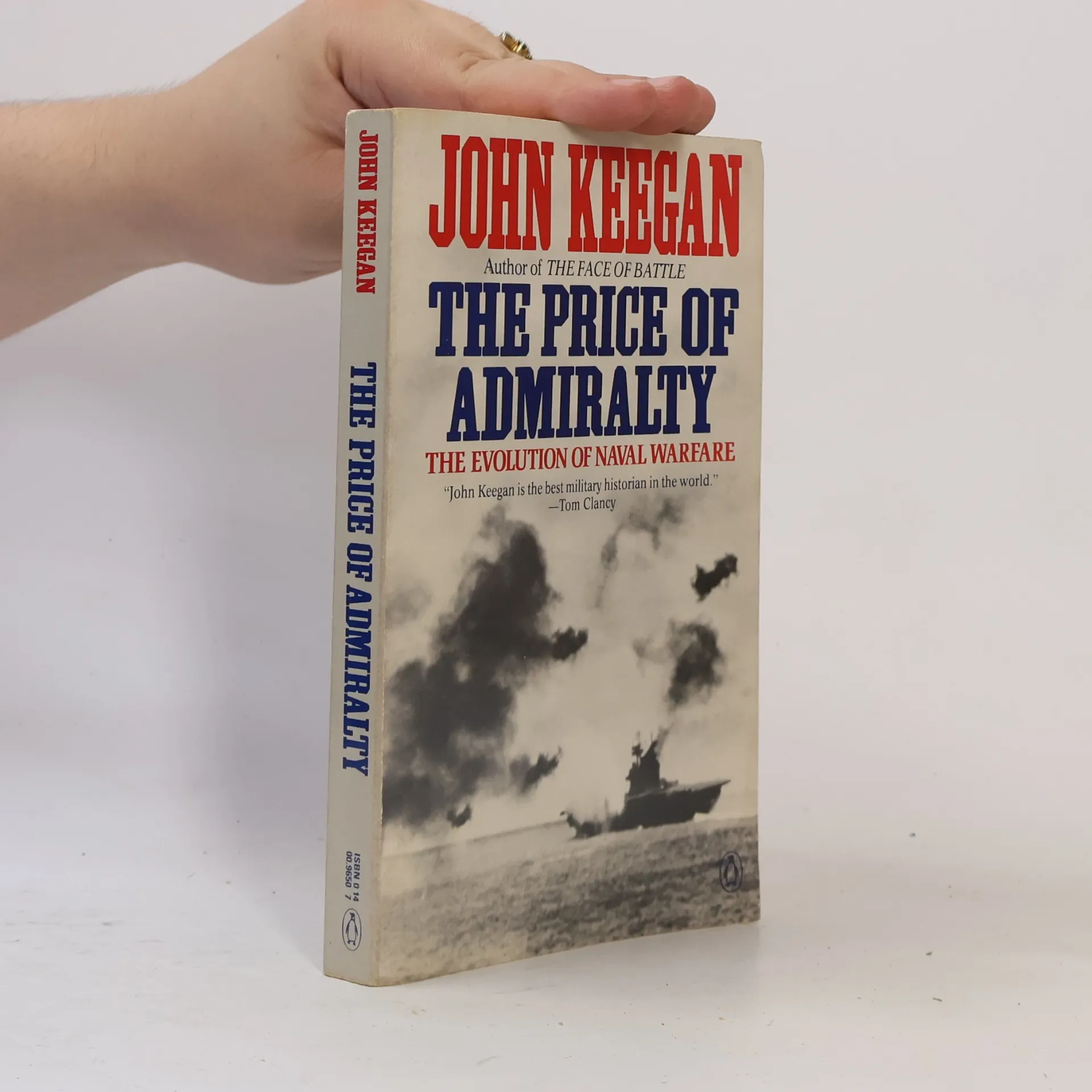
Military historian John Keegan’s gripping history of naval warfare’s evolution. In The Price of Admirality, leading military historian John Keegan illuminates the history of naval combat by expertly dissecting four landmark sea battles, each featuring a different type of warship: the Battle of Trafalgar, the Battle of Jutland in World War I, the Battle of Midway in World War II, and the long and arduous Battle of the Atlantic. “The best military historian of our generation.”—Tom Clancy “The Price of Admirality stands alongside Mr. Keegan’s earlier works in its power to impart both the big and little pictures of war.”—The New York Times
Book purchase
The Price of Admiralty, John Keegan
- Language

- Released
- 1990
- Binding
- (Paperback)
We’ll email you as soon as we track it down.
Payment methods
No one has rated yet.
- Title
- The Price of Admiralty
- Subtitle
- The Evolution of Naval Warfare from Trafalgar to Midway
- Language
- English
- Authors
- John Keegan
- Publisher
- Penguin Random House SEA
- Released
- 1990
- Format
- Paperback
- Pages
- 353
- ISBN10
- 0140096507
- ISBN13
- 9780140096507
- Series
- Categories
- Tags
- Military Fiction, 20th century, Wars, Technology, 19th century, History of Europe, American History, Engineering, Strategy, Navy, Sailing, Battles, Army
- Description
- Military historian John Keegan’s gripping history of naval warfare’s evolution. In The Price of Admirality, leading military historian John Keegan illuminates the history of naval combat by expertly dissecting four landmark sea battles, each featuring a different type of warship: the Battle of Trafalgar, the Battle of Jutland in World War I, the Battle of Midway in World War II, and the long and arduous Battle of the Atlantic. “The best military historian of our generation.”—Tom Clancy “The Price of Admirality stands alongside Mr. Keegan’s earlier works in its power to impart both the big and little pictures of war.”—The New York Times