


More about the book
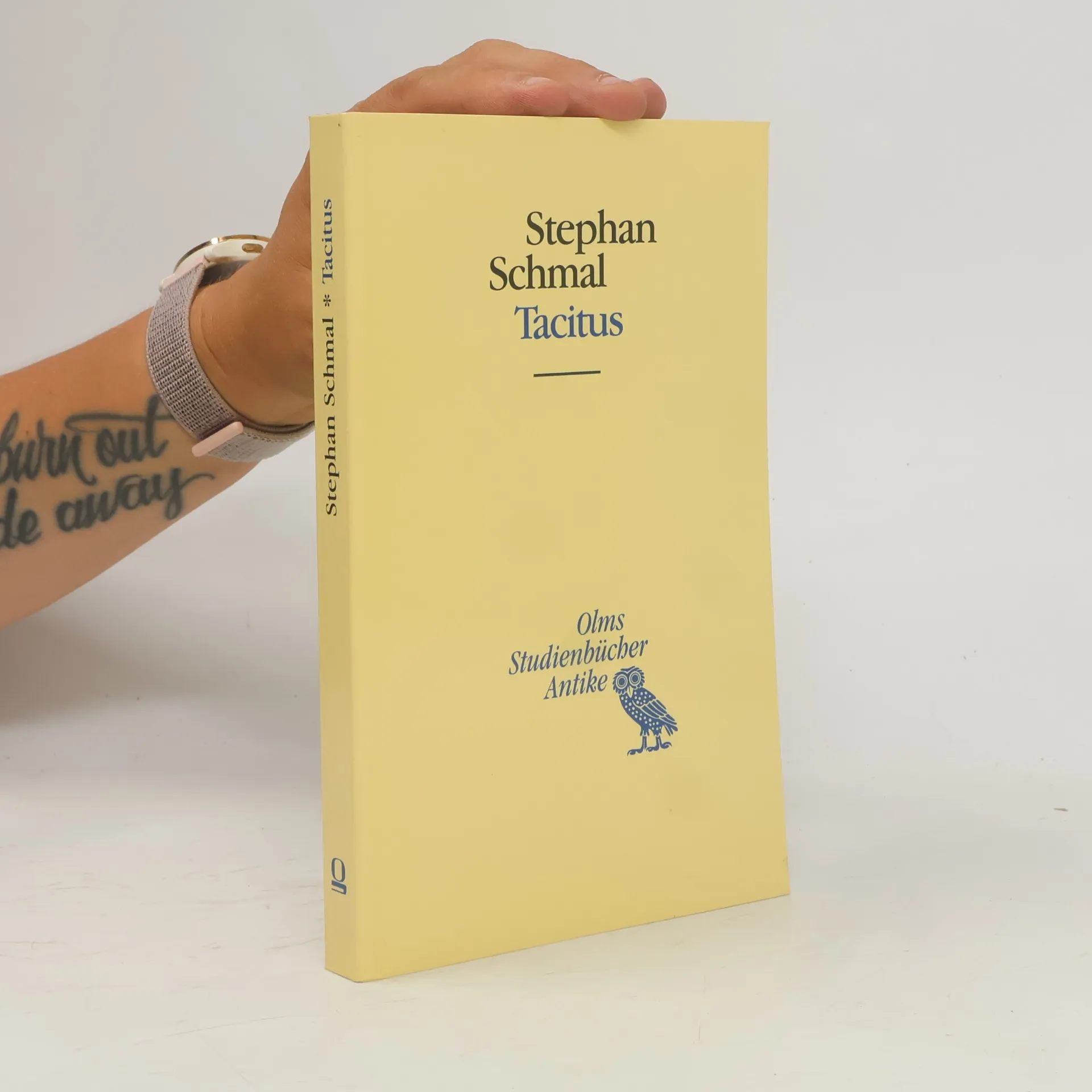
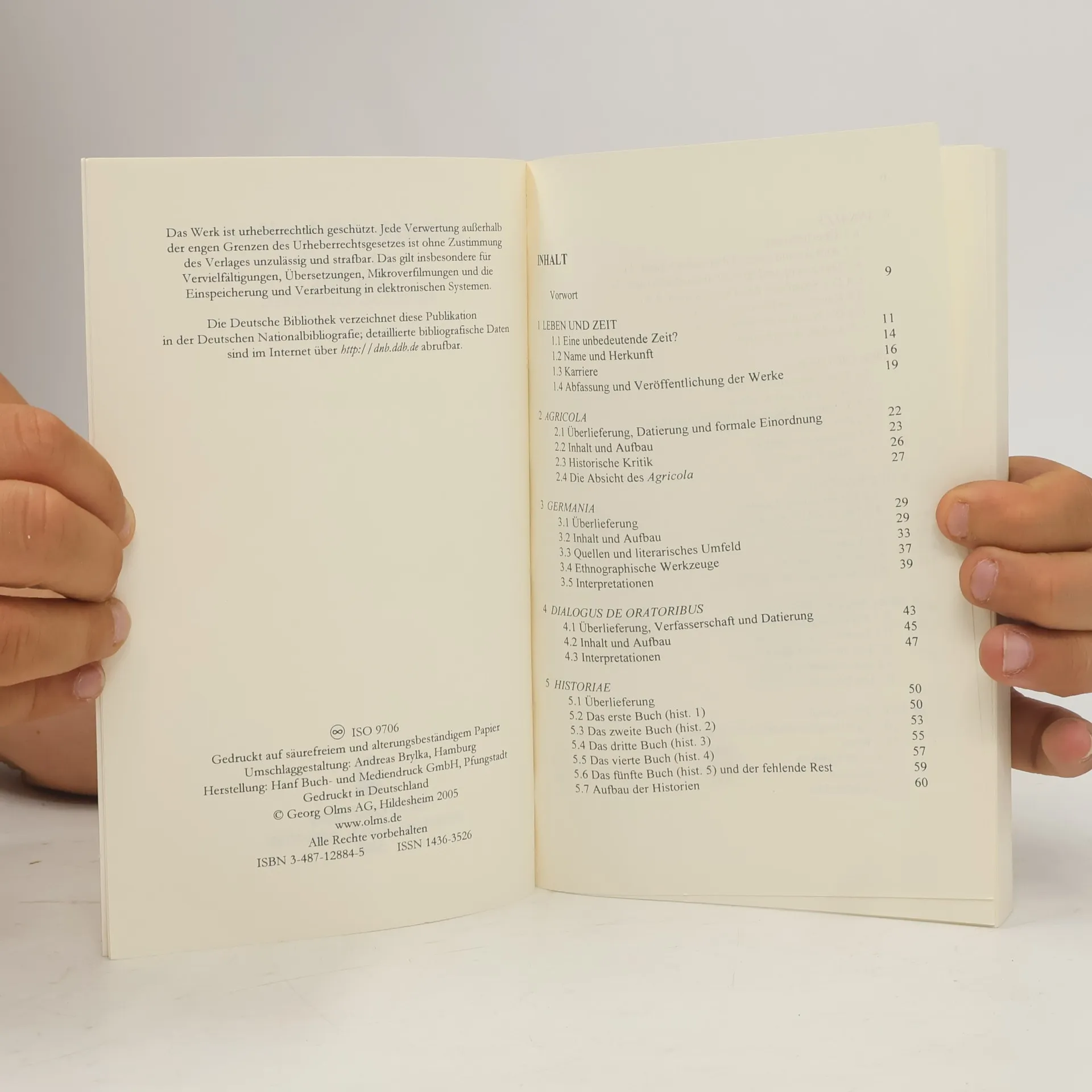
Cornelius Tacitus (ca. 55-120 A.D.) stands as the last significant figure in Roman senatorial historiography and is regarded as the final Latin "classic." His major historical works, the Historiae and Annales, document the era from Augustus's death to Domitian's reign, and they remain crucial sources for understanding the early imperial period. Additionally, Tacitus authored three shorter texts: the Agricola, the Dialogus, and the ethnographic treatise Germania, which has had a notably adventurous reception in Central Europe. Known for his critical and incisive commentary on emperors, Tacitus's writings have elicited polarized reactions, with modern readers oscillating between admiration and disdain. His works have been appropriated by political figures from various ideologies, and his unique style is often described as challenging and "obscure." This book provides an introduction to Tacitus and his oeuvre, exploring the historical backdrop, literary context, and key aspects of his reception. It also highlights significant perspectives in contemporary research. The author, Stephan Schmal, previously wrote on Sallust and has a keen interest in mentalities, ancient ethnography, and gender history, currently serving as a publisher's editor in Braunschweig.
Book purchase
Tacitus, Stephan Schmal
- Language

- Released
- 2005
- Binding
- (Paperback)
Payment methods
No one has rated yet.
- Title
- Tacitus
- Language
- German
- Authors
- Stephan Schmal
- Publisher
- Olms
- Released
- 2005
- Format
- Paperback
- Pages
- 240
- ISBN10
- 3487128845
- ISBN13
- 9783487128849
- Series
- Categories
- Tags
- Description
- Cornelius Tacitus (ca. 55-120 A.D.) stands as the last significant figure in Roman senatorial historiography and is regarded as the final Latin "classic." His major historical works, the Historiae and Annales, document the era from Augustus's death to Domitian's reign, and they remain crucial sources for understanding the early imperial period. Additionally, Tacitus authored three shorter texts: the Agricola, the Dialogus, and the ethnographic treatise Germania, which has had a notably adventurous reception in Central Europe. Known for his critical and incisive commentary on emperors, Tacitus's writings have elicited polarized reactions, with modern readers oscillating between admiration and disdain. His works have been appropriated by political figures from various ideologies, and his unique style is often described as challenging and "obscure." This book provides an introduction to Tacitus and his oeuvre, exploring the historical backdrop, literary context, and key aspects of his reception. It also highlights significant perspectives in contemporary research. The author, Stephan Schmal, previously wrote on Sallust and has a keen interest in mentalities, ancient ethnography, and gender history, currently serving as a publisher's editor in Braunschweig.