

More about the book
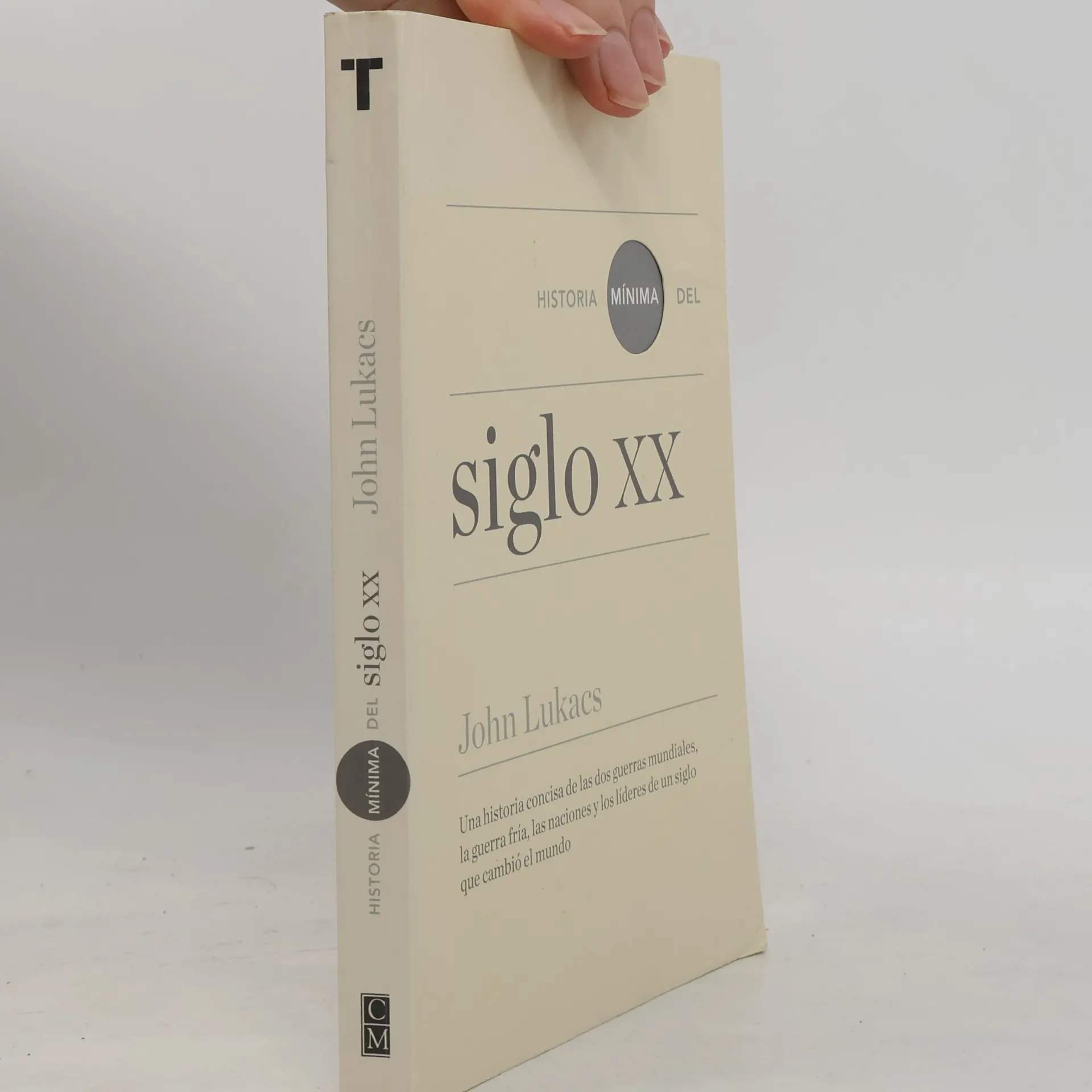
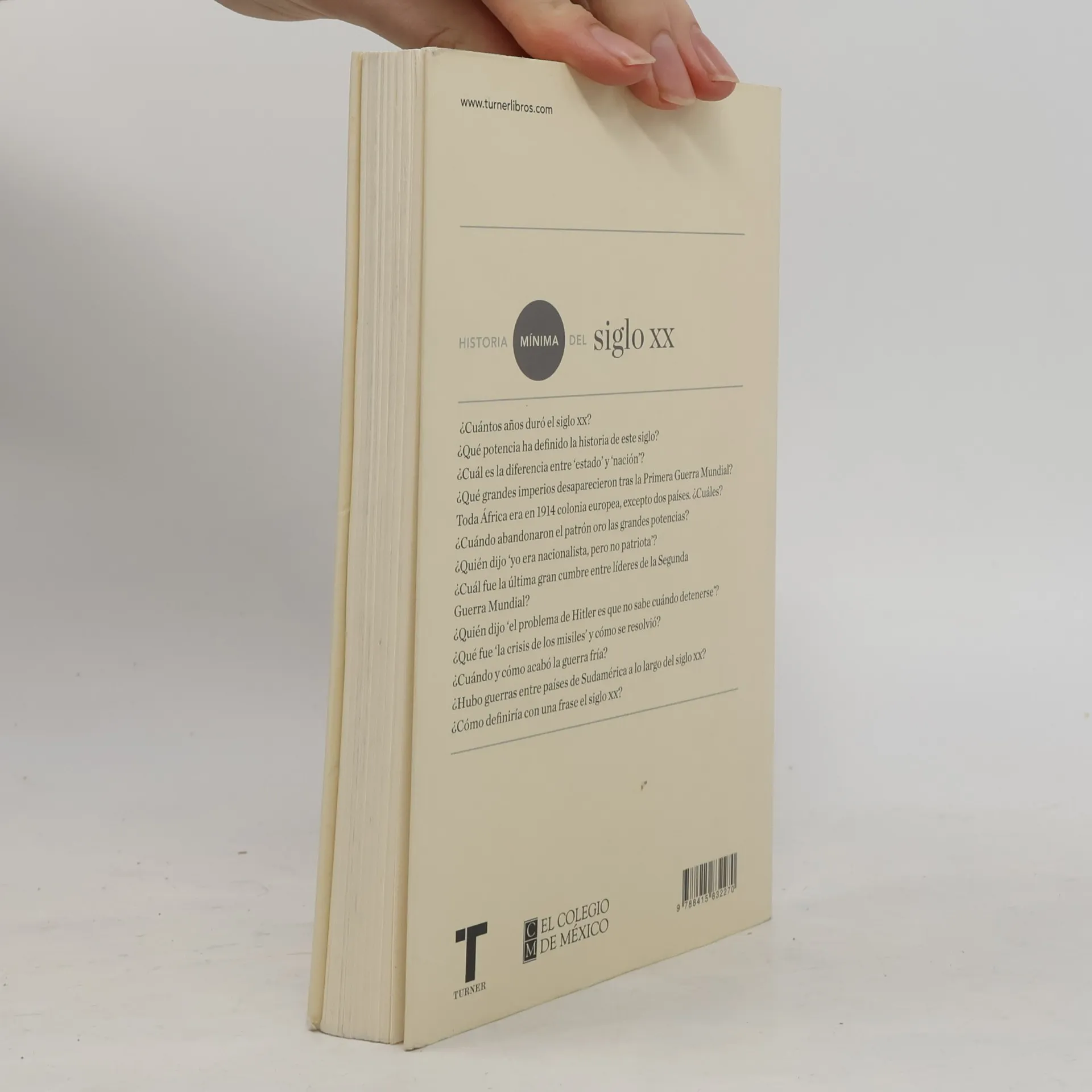
Historian John Lukacs presents a concise history of the twentieth century, covering its two world wars, the cold war, nations, and leaders. Central themes include the decline of liberalism, the rise of populism and nationalism, the impact of technology, and global democratization. This historical period began with the First World War in 1914 and concluded with the collapse of the Soviet Empire in 1989, marking the end of European dominance and the emergence of American power. Lukacs delves into national socialism, emphasizing its enduring presence, and attributes sole responsibility for the Second World War to Hitler, highlighting the critical roles of Churchill and Roosevelt as his determined opponents. He notes that between 1939 and 1942, Germany was closer to victory than commonly believed. Lukacs critically examines the consequences of the Second World War, particularly the often misunderstood Soviet-American cold war, as well as shifting social and political dynamics in the Far and Middle East. In his eloquent closing meditation, he reflects on the advance of democracy worldwide and the limitations of human knowledge, encapsulating the complexities and legacies of the century.
Book purchase
Historia mínima del siglo XX, John Lukacs
- Language

- Released
- 2014
- Binding
- (Paperback),
- Book condition
- Good
- Price
- €4.09
Payment methods
No one has rated yet.
- Title
- Historia mínima del siglo XX
- Language
- Spanish
- Authors
- John Lukacs
- Publisher
- Turner
- Released
- 2014
- Format
- Paperback
- Pages
- 268
- ISBN10
- 8415832273
- ISBN13
- 9788415832270
- Series
- Categories
- Tags
- Description
- Historian John Lukacs presents a concise history of the twentieth century, covering its two world wars, the cold war, nations, and leaders. Central themes include the decline of liberalism, the rise of populism and nationalism, the impact of technology, and global democratization. This historical period began with the First World War in 1914 and concluded with the collapse of the Soviet Empire in 1989, marking the end of European dominance and the emergence of American power. Lukacs delves into national socialism, emphasizing its enduring presence, and attributes sole responsibility for the Second World War to Hitler, highlighting the critical roles of Churchill and Roosevelt as his determined opponents. He notes that between 1939 and 1942, Germany was closer to victory than commonly believed. Lukacs critically examines the consequences of the Second World War, particularly the often misunderstood Soviet-American cold war, as well as shifting social and political dynamics in the Far and Middle East. In his eloquent closing meditation, he reflects on the advance of democracy worldwide and the limitations of human knowledge, encapsulating the complexities and legacies of the century.