


More about the book
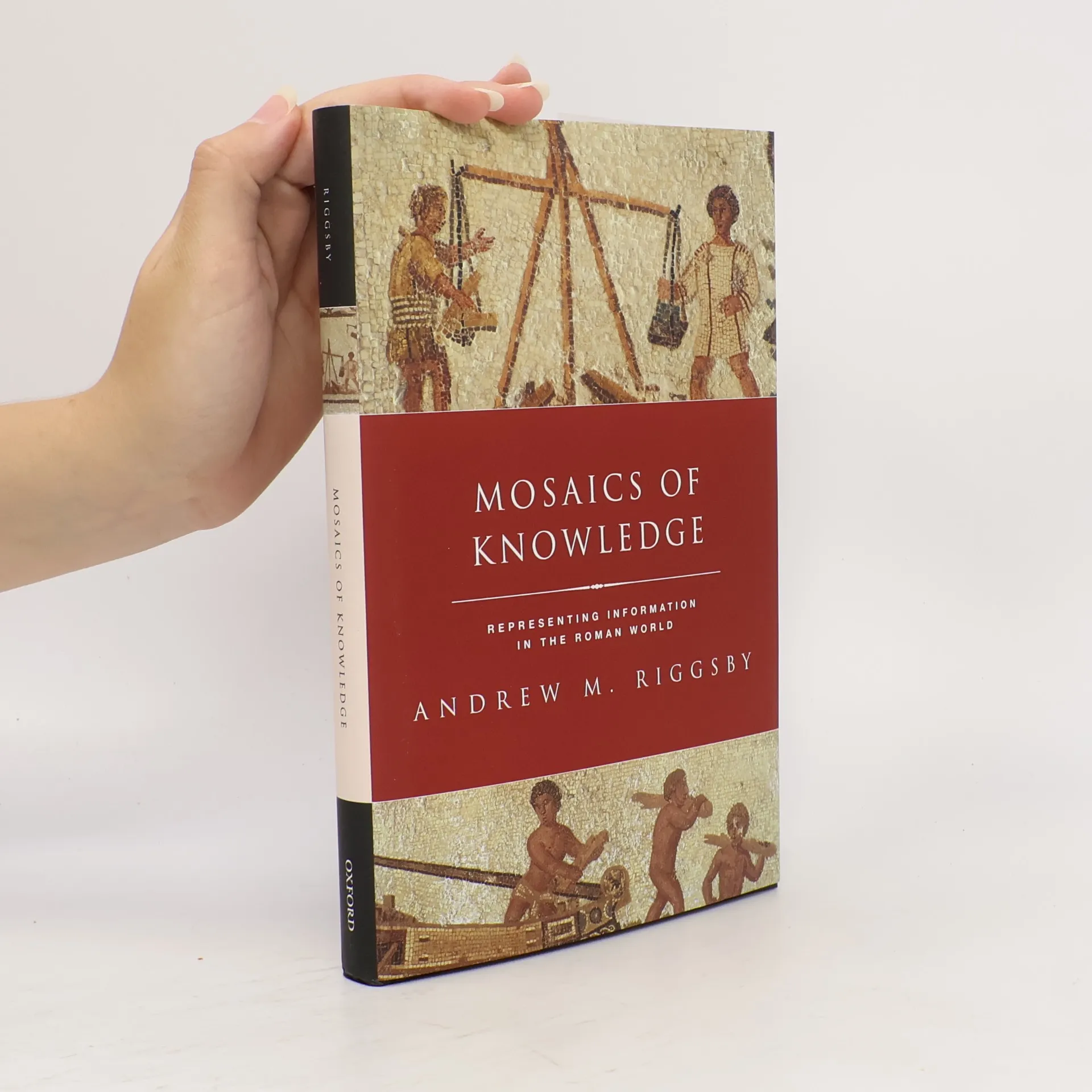
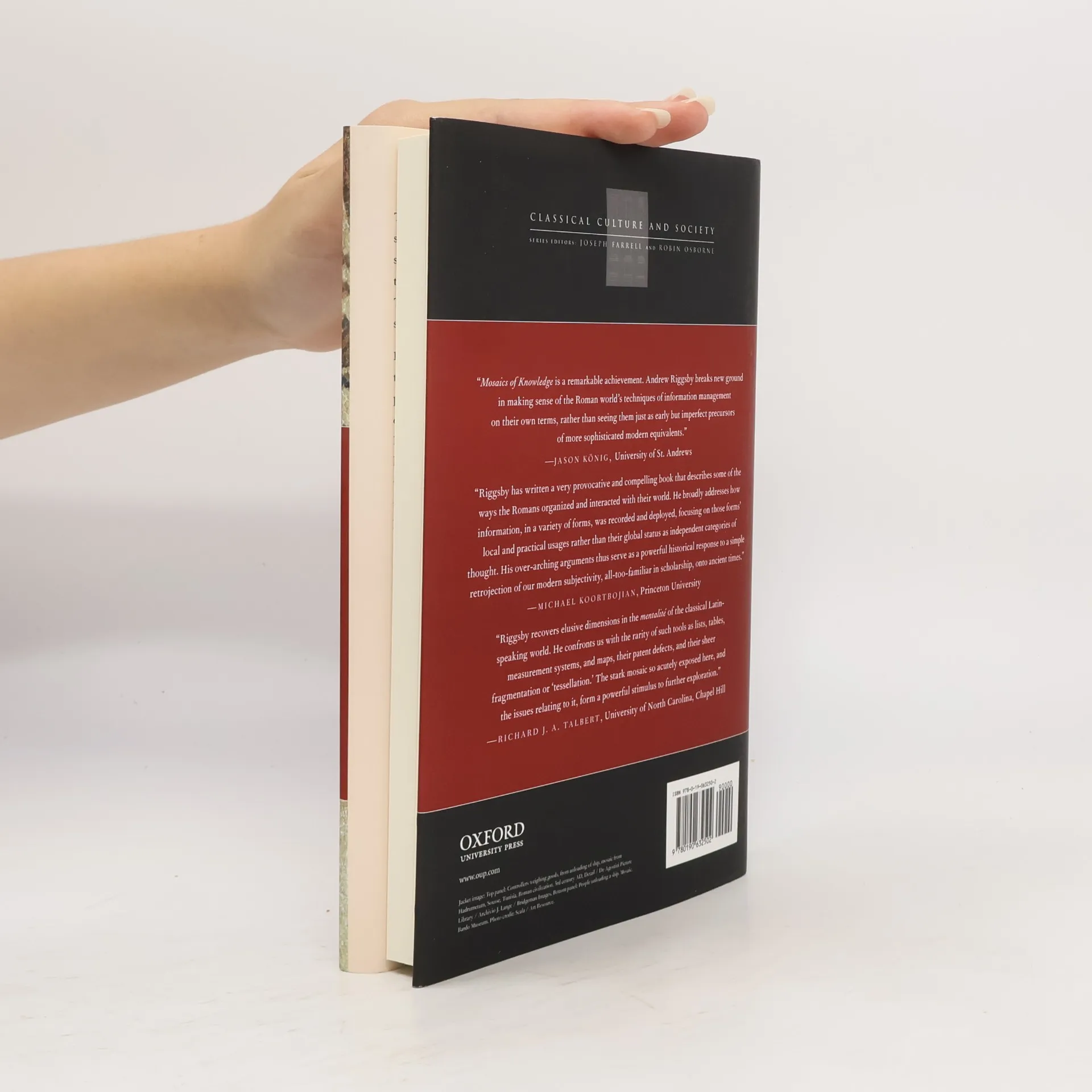
Today's information technology often seems to permeate every aspect of our lives, unlike in the Roman world, where technologies were confined to small, scattered social groups. By examining five technologies—lists, tables, weights and measures, artistic perspective, and mapping—this study reveals how the Romans fragmented a world we might expect them to unify. The recording, storage, and recall of information in physical media might typically connect distant individuals, but Roman examples often highlight the isolation of specific groups. Different "locations"—geographical, social, or occupational—had access to varying informational resources, indicating that the situation was not dictated by any single class or group. These constraints limited the development and influence of individual technologies, leading to slow and uneven progress. However, perceived technological weaknesses may be misleading when viewed in actual contexts of use. Romans utilized only the necessary "computing" power for narrowly defined goals. This study combines detailed analyses of diverse evidence—inscriptions, archaeological finds, artworks, and literary texts—with theoretical insights into the social, cognitive, and material contexts of their use, offering a distinctive view of Roman IT capabilities, limitations, and practices.
Book purchase
Classical Culture and Society: Mosaics of Knowledge, Andrew M. Riggsby
- Language

- Released
- 2019
- Binding
- (Hardcover)
Payment methods
No one has rated yet.
- Title
- Classical Culture and Society: Mosaics of Knowledge
- Subtitle
- Representing Information in the Roman World
- Language
- English
- Authors
- Andrew M. Riggsby
- Publisher
- Oxford University Press
- Released
- 2019
- Format
- Hardcover
- Pages
- 264
- ISBN10
- 019063250X
- ISBN13
- 9780190632502
- Series
- Categories
- Tags
- Historical Themes, Science, Technology, Ancient History, Rome, Western Europe, History of Science, Social Aspects
- Description
- Today's information technology often seems to permeate every aspect of our lives, unlike in the Roman world, where technologies were confined to small, scattered social groups. By examining five technologies—lists, tables, weights and measures, artistic perspective, and mapping—this study reveals how the Romans fragmented a world we might expect them to unify. The recording, storage, and recall of information in physical media might typically connect distant individuals, but Roman examples often highlight the isolation of specific groups. Different "locations"—geographical, social, or occupational—had access to varying informational resources, indicating that the situation was not dictated by any single class or group. These constraints limited the development and influence of individual technologies, leading to slow and uneven progress. However, perceived technological weaknesses may be misleading when viewed in actual contexts of use. Romans utilized only the necessary "computing" power for narrowly defined goals. This study combines detailed analyses of diverse evidence—inscriptions, archaeological finds, artworks, and literary texts—with theoretical insights into the social, cognitive, and material contexts of their use, offering a distinctive view of Roman IT capabilities, limitations, and practices.