

More about the book
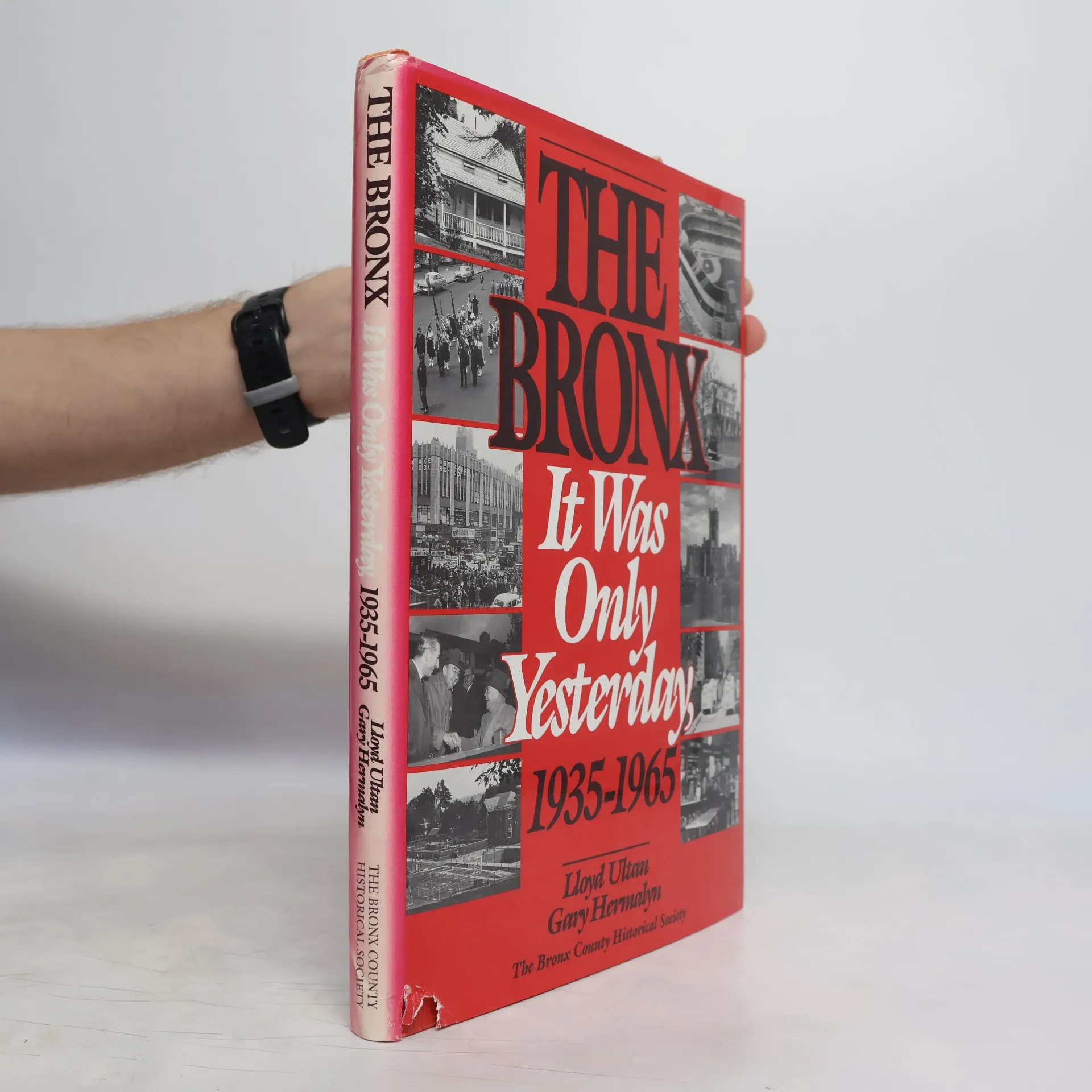
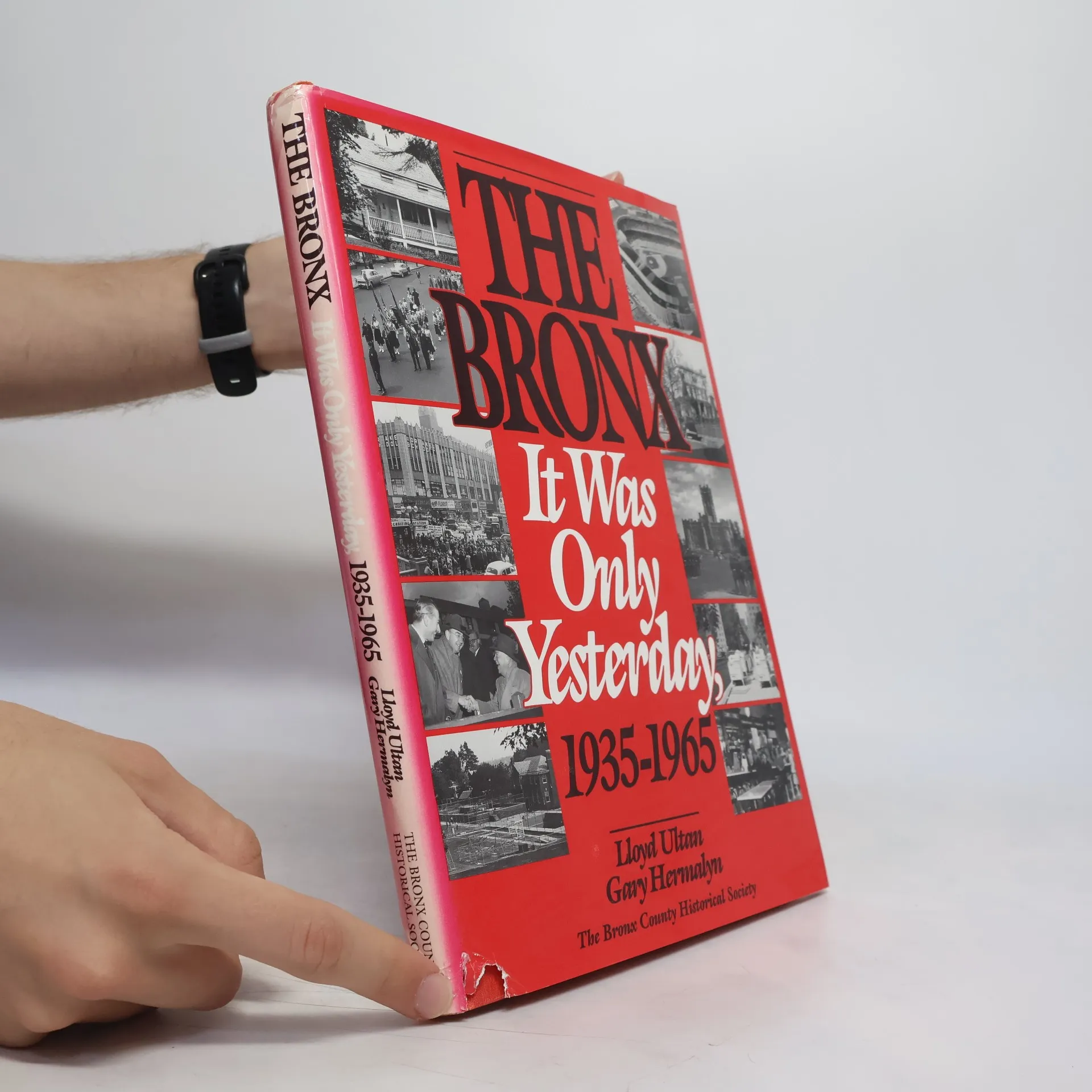
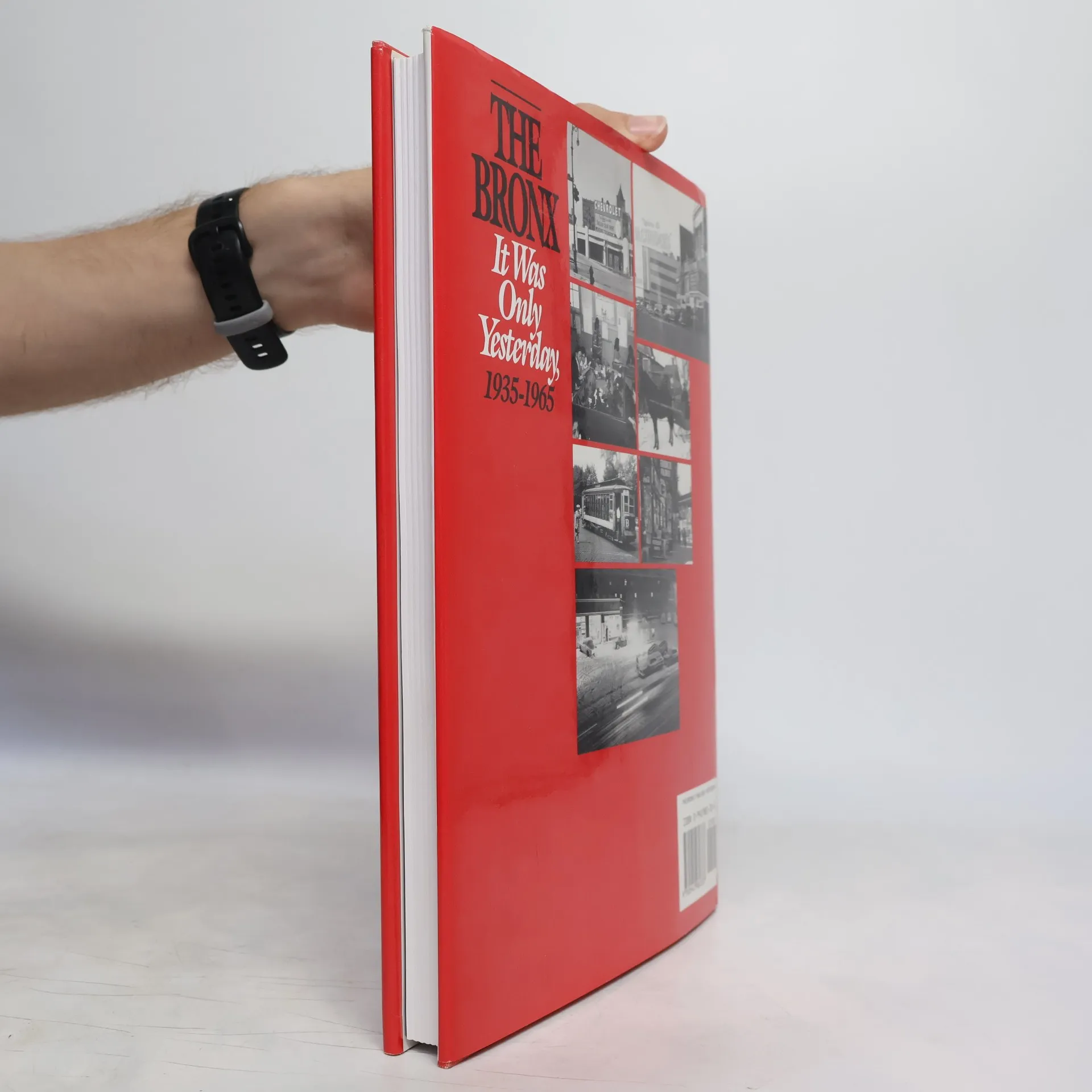
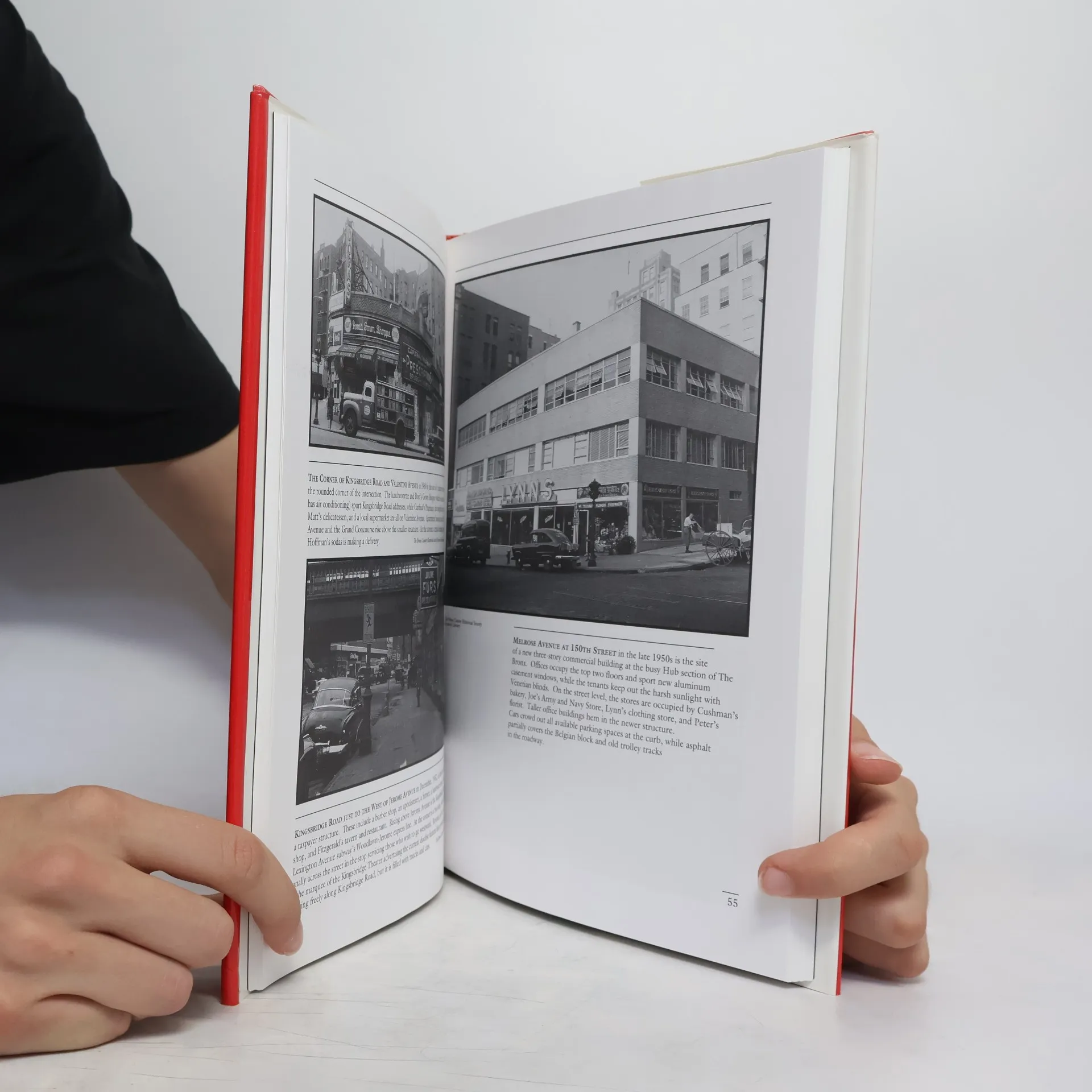
For the past 20 years, The Bronx County Historical Society has been compiling a history of life in the borough series. Beginning with the first publication in 1979, the series has explored various periods, including the 1920-1950 era, the years 1890-1925, and the transformative years from 1935 to 1965. The fourth installment, published in 2000, examines the period from 1609 to 1900. This series offers a captivating portrait of The Bronx during significant turning points in urban development. The latest volume focuses on a time of remarkable technological advancement that connected The Bronx more closely to the outside world. It highlights the transition from movies and radio to the allure of black and white television, the shift in transportation preferences from trolleys and subways to automobiles, and the evolution of music from big bands to rock 'n' roll. Additionally, it captures the disruption of once-quiet neighborhoods by the construction of new highways and high-rise complexes. The narratives are enriched with rare photographs from the archives of The Bronx County Historical Society, providing a vivid glimpse into the changes and continuities that made The Bronx a cherished home for many.
Book purchase
Life in the Bronx Series: The Bronx, Lloyd Ultan, Gary D. Hermalyn
- Language

- Released
- 1992
- product-detail.submit-box.info.binding
- (Hardcover),
- Book condition
- Damaged
- Price
- €3.27
Payment methods
No one has rated yet.
- Subtitle
- It Was Only Yesterday
- Language
- English
- Authors
- Lloyd Ultan, Gary D. Hermalyn
- Publisher
- The Bronx County Historical Society
- Released
- 1992
- Format
- Hardcover
- Pages
- 184
- ISBN10
- 0941980332
- ISBN13
- 9780941980333
- Series
- Description
- For the past 20 years, The Bronx County Historical Society has been compiling a history of life in the borough series. Beginning with the first publication in 1979, the series has explored various periods, including the 1920-1950 era, the years 1890-1925, and the transformative years from 1935 to 1965. The fourth installment, published in 2000, examines the period from 1609 to 1900. This series offers a captivating portrait of The Bronx during significant turning points in urban development. The latest volume focuses on a time of remarkable technological advancement that connected The Bronx more closely to the outside world. It highlights the transition from movies and radio to the allure of black and white television, the shift in transportation preferences from trolleys and subways to automobiles, and the evolution of music from big bands to rock 'n' roll. Additionally, it captures the disruption of once-quiet neighborhoods by the construction of new highways and high-rise complexes. The narratives are enriched with rare photographs from the archives of The Bronx County Historical Society, providing a vivid glimpse into the changes and continuities that made The Bronx a cherished home for many.