



Parameters
- 169 pages
- 6 hours of reading
More about the book
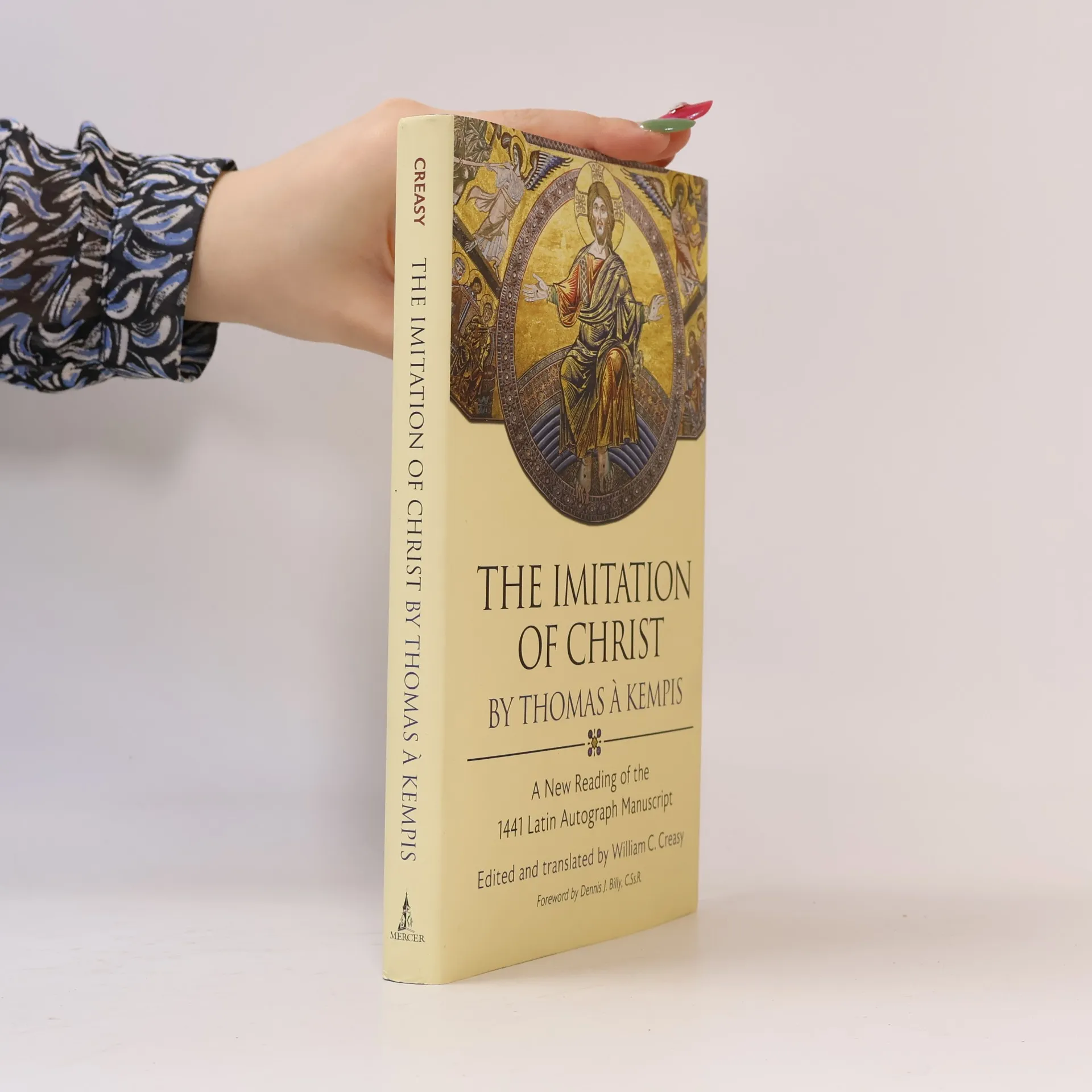
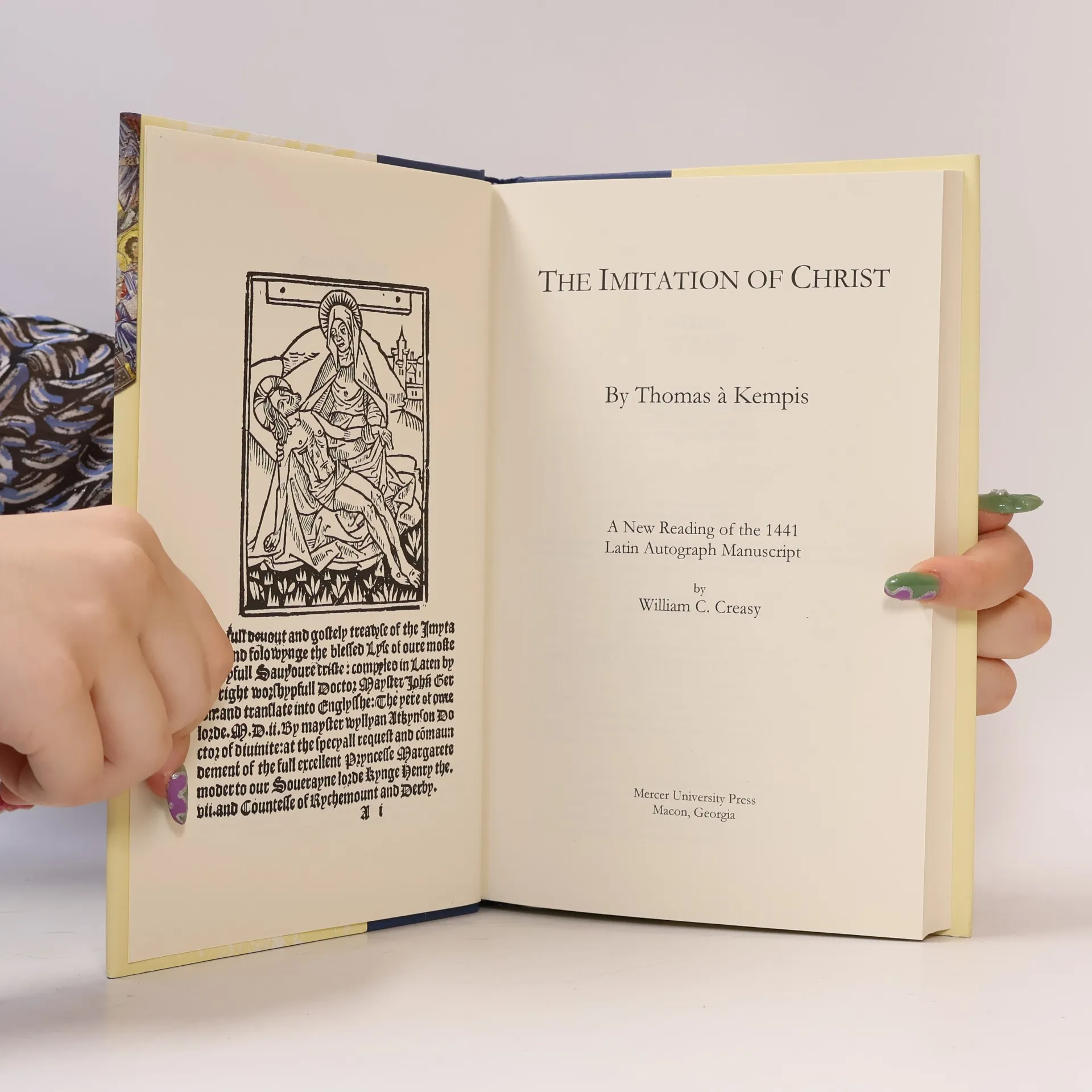
The Imitation of Christ has been published in more editions and languages than any book except the Bible. Samuel Johnson noted its significance, suggesting it "must be a good book, as the world has opened its arms to receive it." Esteemed figures like Thomas Carlyle and George Eliot have praised it, while St. Ignatius Loyola translated it, and Pope John Paul I was reportedly reading it when he died. For centuries, it has been integral to religious training and personal devotion. However, today, many view it as outdated, a relic of pre-Vatican II times, often dismissing it as filled with world contempt and self-loathing. This perception reveals more about contemporary readers than the text itself. Modern readers react differently to lines like "this is the highest wisdom: through contempt of the world to aspire to the kingdom of heaven" compared to those from earlier centuries. An informed response requires a deep understanding of literary, historical, and theological contexts. Creasy's translation aims to recreate the experience of a fifteenth-century reader, incorporating reader-response theory and reflecting both the structure and style of the original Latin. While crafted for modern audiences, the fervor and power of the original text remain intact. Dr. Creasy's translation has become the standard for this spiritual classic, revitalizing it for a new generation.
Book purchase
The Imitation of Christ, Thomas à Kempis, William C. Creasy, Dennis J. Billy
- Language

- Released
- 2007
- Binding
- (Hardcover)
Payment methods
No one has rated yet.
- Title
- The Imitation of Christ
- Subtitle
- A New Reading of the 1441 Latin Autograph Manuscript
- Language
- English
- Publisher
- Mercer University Press
- Released
- 2007
- Format
- Hardcover
- Pages
- 169
- ISBN10
- 0881460974
- ISBN13
- 9780881460971
- Series
- Tags
- Religious Topics
- Description
- The Imitation of Christ has been published in more editions and languages than any book except the Bible. Samuel Johnson noted its significance, suggesting it "must be a good book, as the world has opened its arms to receive it." Esteemed figures like Thomas Carlyle and George Eliot have praised it, while St. Ignatius Loyola translated it, and Pope John Paul I was reportedly reading it when he died. For centuries, it has been integral to religious training and personal devotion. However, today, many view it as outdated, a relic of pre-Vatican II times, often dismissing it as filled with world contempt and self-loathing. This perception reveals more about contemporary readers than the text itself. Modern readers react differently to lines like "this is the highest wisdom: through contempt of the world to aspire to the kingdom of heaven" compared to those from earlier centuries. An informed response requires a deep understanding of literary, historical, and theological contexts. Creasy's translation aims to recreate the experience of a fifteenth-century reader, incorporating reader-response theory and reflecting both the structure and style of the original Latin. While crafted for modern audiences, the fervor and power of the original text remain intact. Dr. Creasy's translation has become the standard for this spiritual classic, revitalizing it for a new generation.