


More about the book
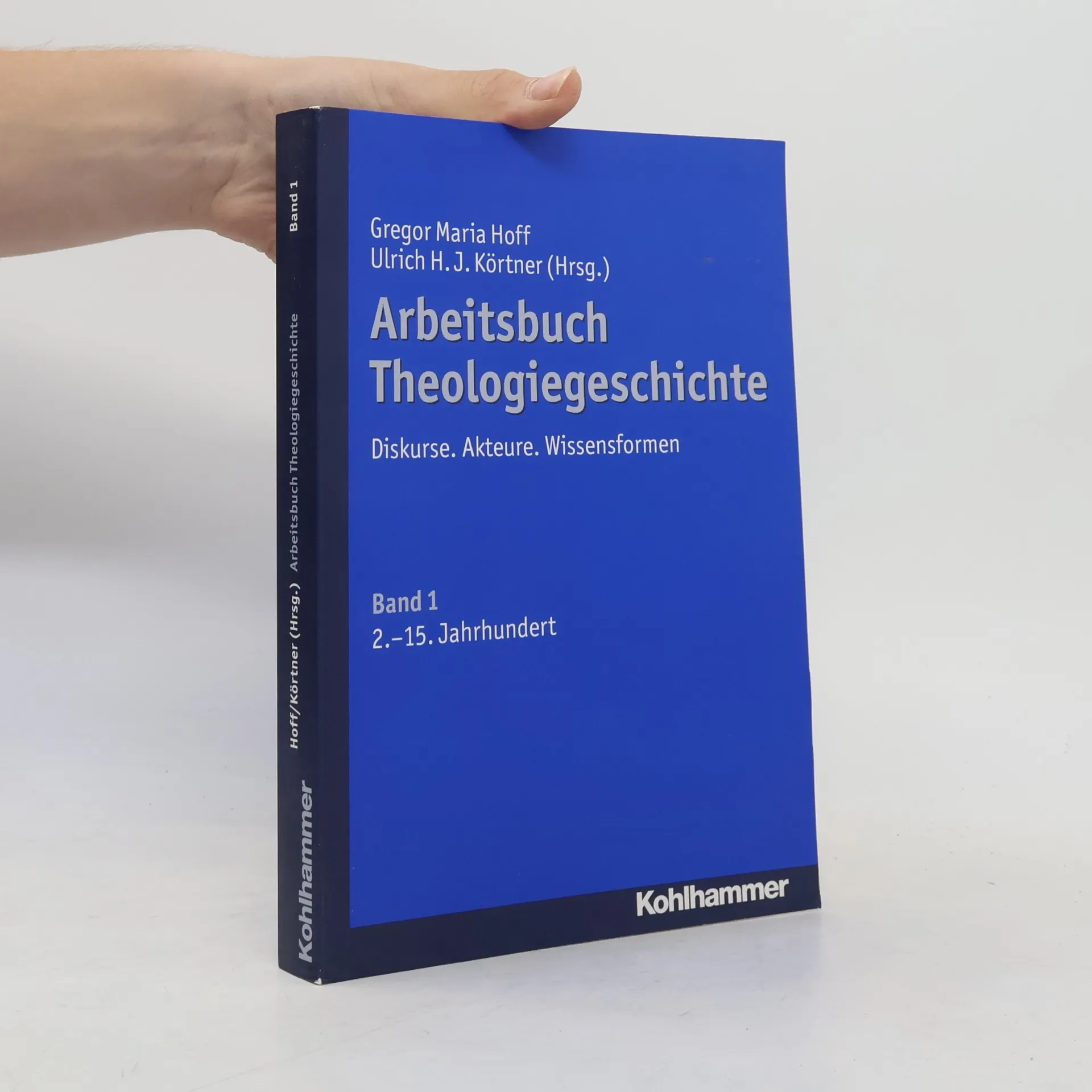
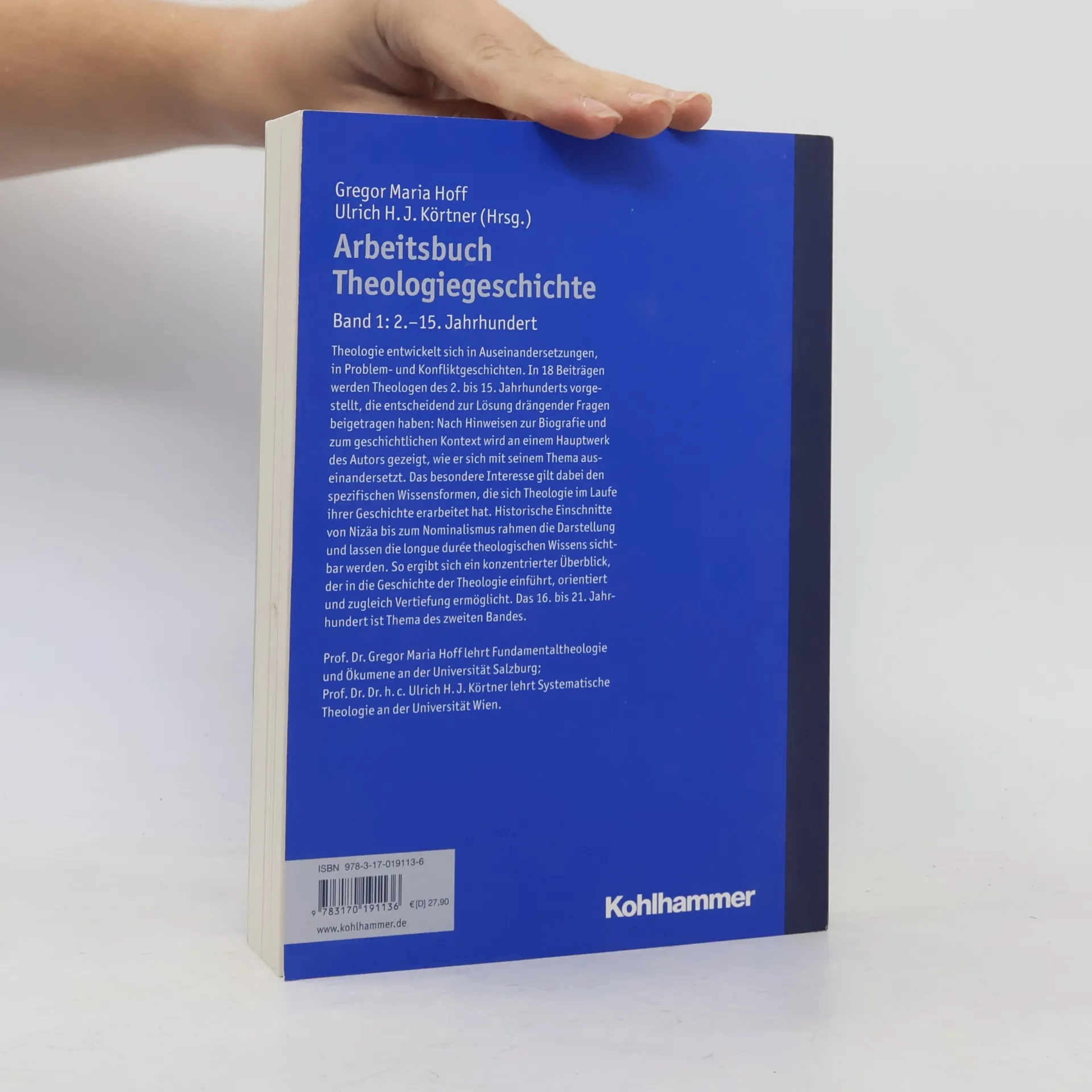
English Theology develops through debate and conflict, addressing difficulties in 18 articles that introduce theologians from the 2nd to the 15th century. These figures have significantly contributed to resolving pressing questions. Each author's position is explored through a biographical overview and historical context, focusing on a key work that illustrates their engagement with their topic. The text emphasizes the specific forms of knowledge that theology has developed over time. Historical milestones from Nicaea to Nominalism frame the discussion, revealing the depth of theological understanding. This provides a concentrated overview of theological history that introduces, orients, and facilitates deeper study. The second volume will cover the 16th to the 21st century. German theology also evolves through conflicts and problem histories, with contributions from theologians of the same eras, showcasing their critical roles in addressing urgent issues. Overall, this work offers a comprehensive insight into the evolution of theological thought, highlighting the intricate relationship between historical context and theological development.
Book purchase
Arbeitsbuch Theologiegeschichte, Gregor Maria Hoff, Ulrich H. J. Körtner
- Language

- Released
- 2012
- Binding
- (Paperback),
- Book condition
- Good
- Price
- €5.29
Payment methods
No one has rated yet.
- Title
- Arbeitsbuch Theologiegeschichte
- Subtitle
- Diskurse. Akteure. Wissensformen: 2. bis 15. Jahrhundert
- Language
- German
- Publisher
- Kohlhammer
- Released
- 2012
- Format
- Paperback
- Pages
- 380
- ISBN10
- 3170191136
- ISBN13
- 9783170191136
- Series
- Tags
- Historical Themes, Religious Topics, Christian Themes, Theology, Middle Ages, Ethics, Religious Studies, Christian Theology, Scholasticism, Nominalism
- Description
- English Theology develops through debate and conflict, addressing difficulties in 18 articles that introduce theologians from the 2nd to the 15th century. These figures have significantly contributed to resolving pressing questions. Each author's position is explored through a biographical overview and historical context, focusing on a key work that illustrates their engagement with their topic. The text emphasizes the specific forms of knowledge that theology has developed over time. Historical milestones from Nicaea to Nominalism frame the discussion, revealing the depth of theological understanding. This provides a concentrated overview of theological history that introduces, orients, and facilitates deeper study. The second volume will cover the 16th to the 21st century. German theology also evolves through conflicts and problem histories, with contributions from theologians of the same eras, showcasing their critical roles in addressing urgent issues. Overall, this work offers a comprehensive insight into the evolution of theological thought, highlighting the intricate relationship between historical context and theological development.