

Parameters
- 330 pages
- 12 hours of reading
More about the book
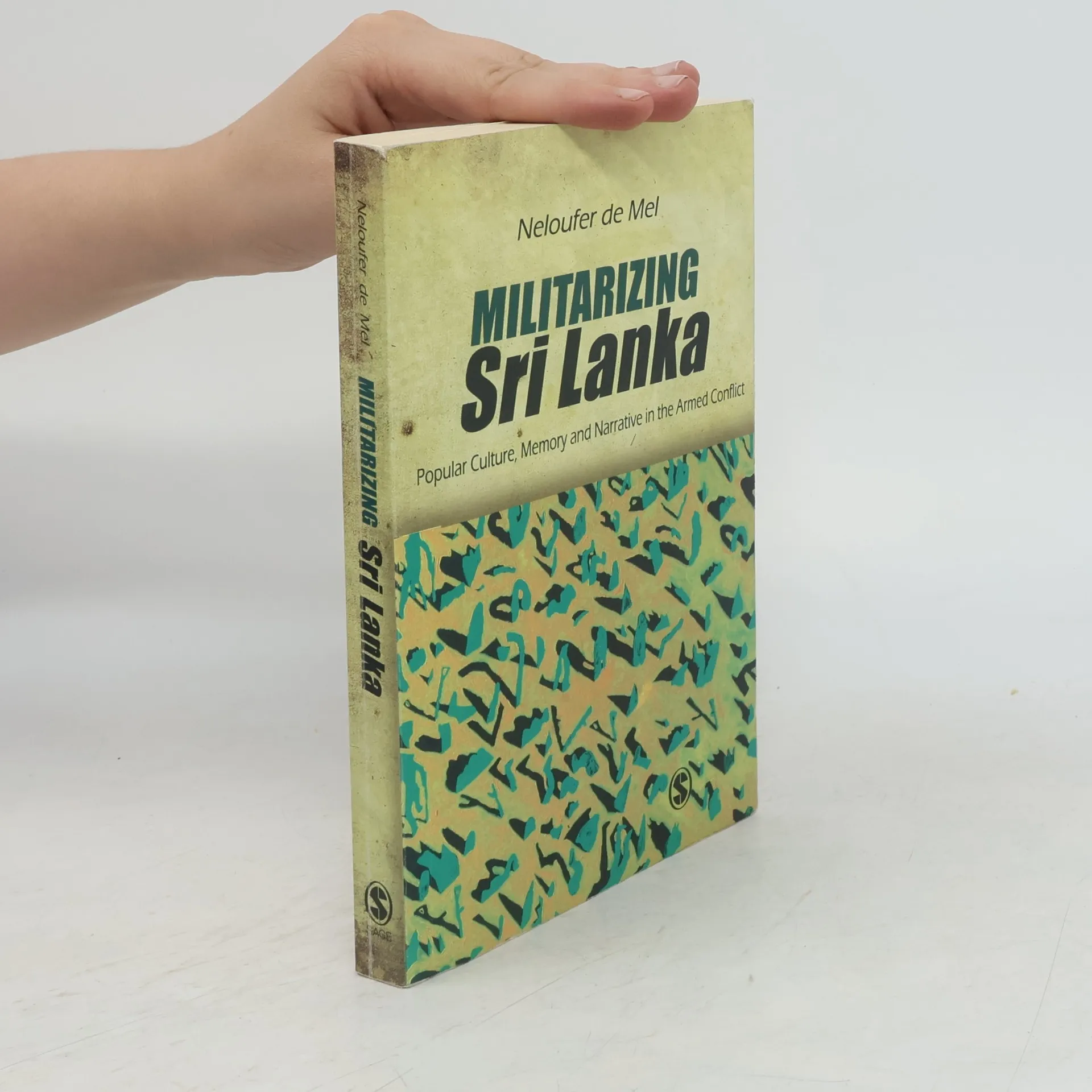
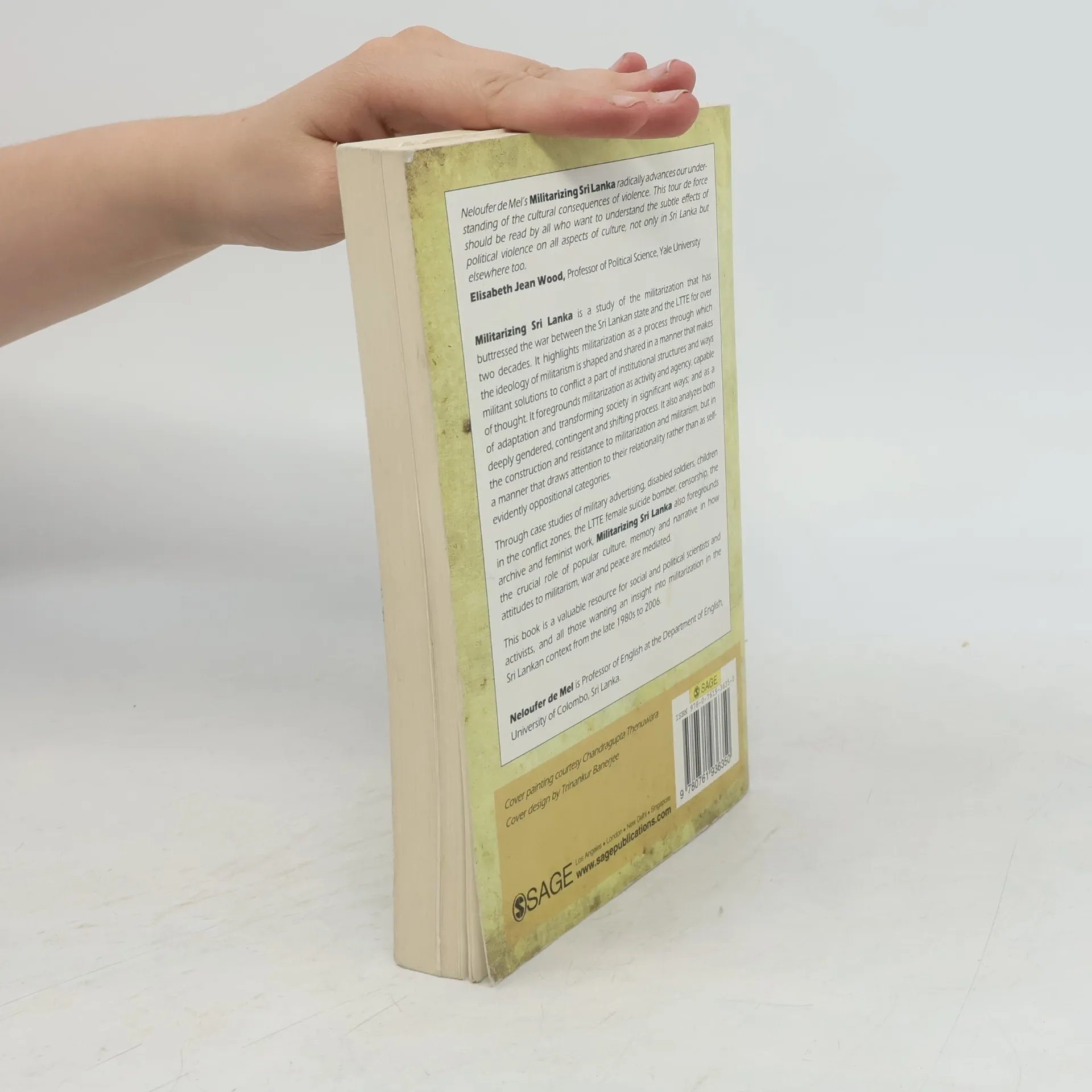
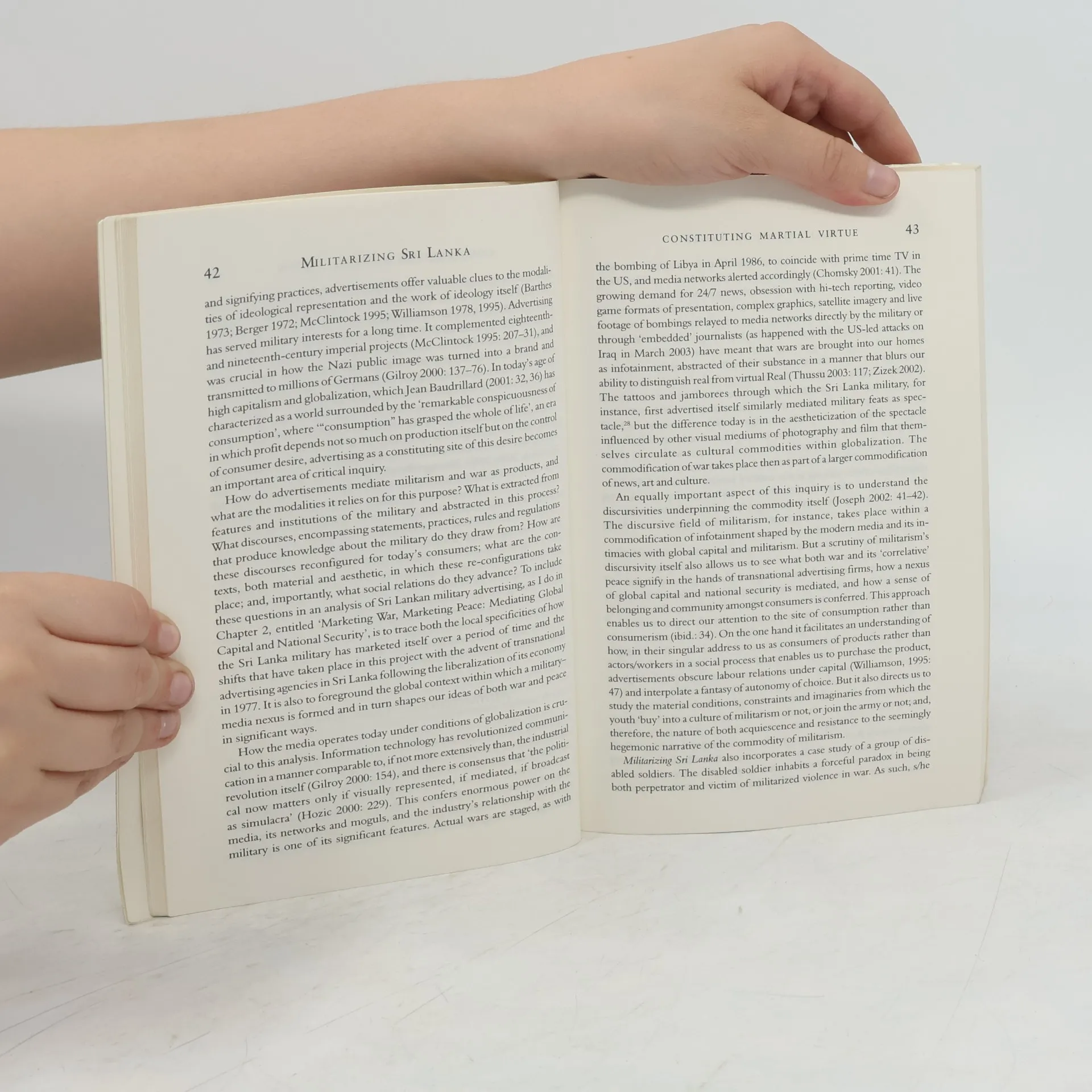
Militarizing Sri Lanka is a study of the militarization that has buttressed the war between the Sri Lankan state and the LTTE for over two decades. It highlights militarization as a process through which the ideology of militarism is shaped and shared in a manner that makes militant solutions to conflict a part of institutional structures and ways of thought. It foregrounds militarization as activity and agency, capable of adaptation and transforming society in significant ways; and as a deeply gendered, contingent and shifting process. It also analyzes both the construction and resistance to militarization and militarism, but in a manner that draws attention to their relationality rather than as self-evidently oppositional categories.
Book purchase
Militarizing Sri Lanka, Neloufer de Mel
- Language

- Released
- 2007
- Binding
- (Paperback),
- Book condition
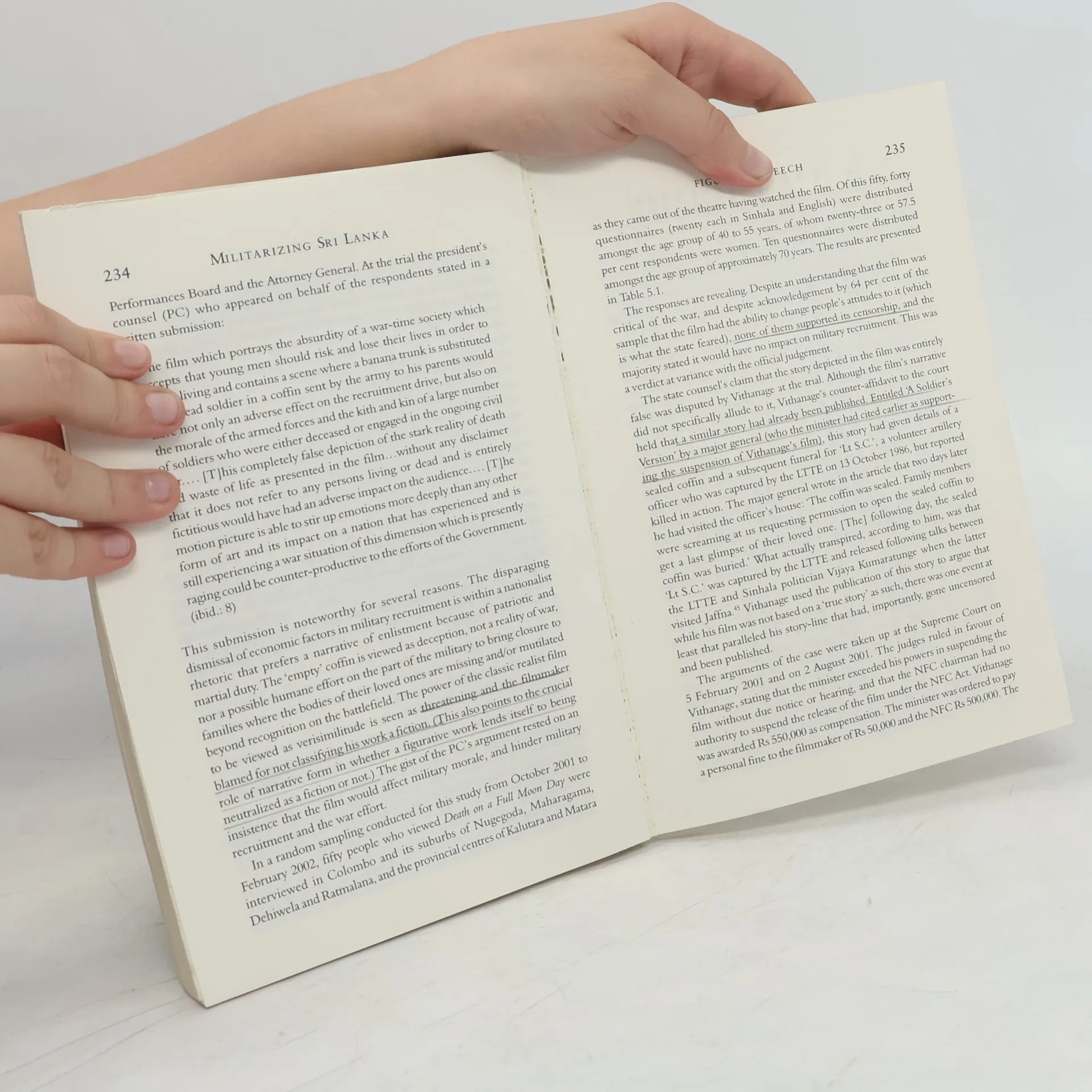
- Damaged
- Price
- €13.58
Payment methods
No one has rated yet.
- Subtitle
- Popular Culture, Memory and Narrative in the Armed Conflict
- Language
- English
- Authors
- Neloufer de Mel
- Publisher
- SAGE Publications Pvt. Ltd
- Released
- 2007
- Format
- Paperback
- Pages
- 330
- ISBN10
- 0761936351
- ISBN13
- 9780761936350
- Series
- Tags
- Description
- Militarizing Sri Lanka is a study of the militarization that has buttressed the war between the Sri Lankan state and the LTTE for over two decades. It highlights militarization as a process through which the ideology of militarism is shaped and shared in a manner that makes militant solutions to conflict a part of institutional structures and ways of thought. It foregrounds militarization as activity and agency, capable of adaptation and transforming society in significant ways; and as a deeply gendered, contingent and shifting process. It also analyzes both the construction and resistance to militarization and militarism, but in a manner that draws attention to their relationality rather than as self-evidently oppositional categories.