

More about the book
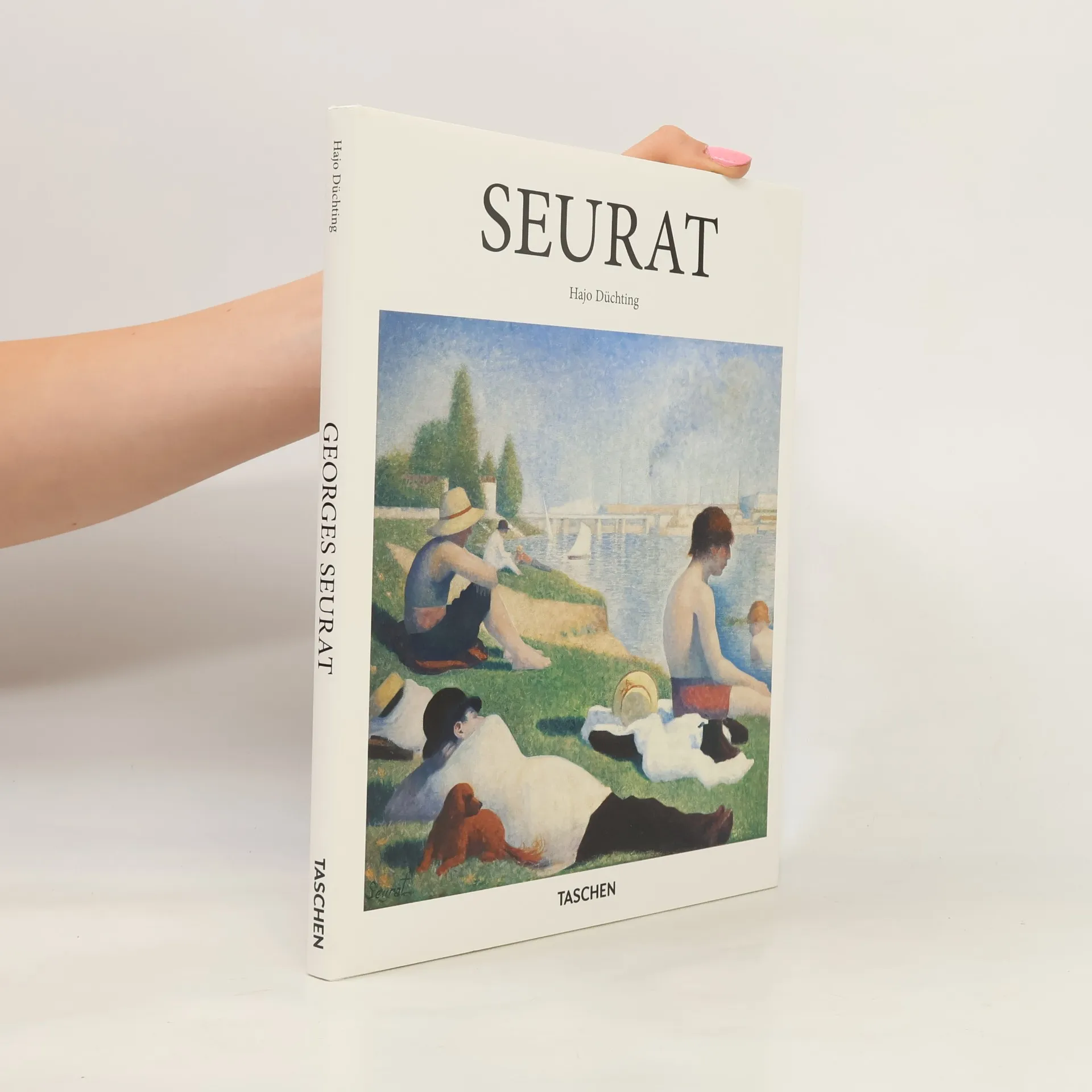
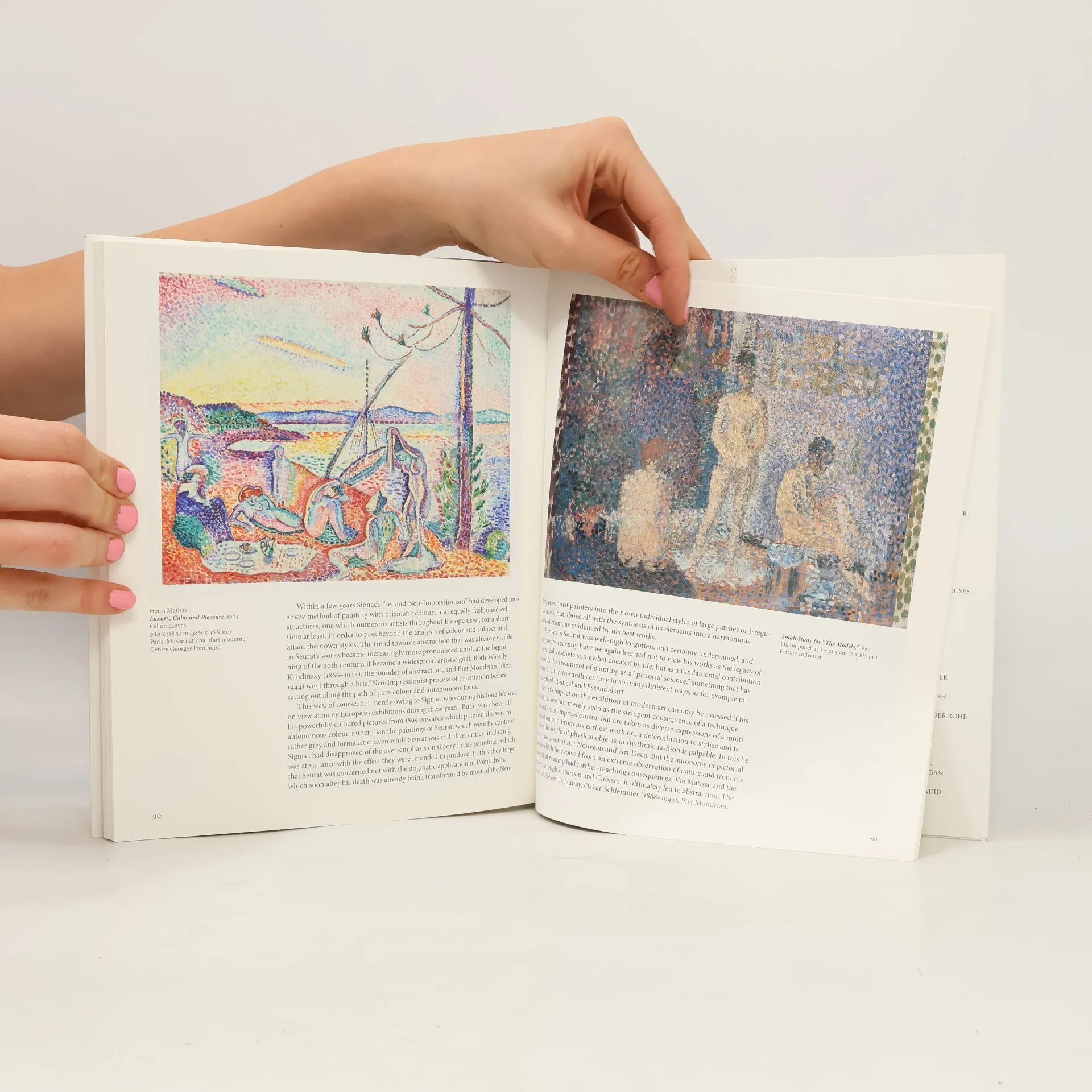
Georges Seurat (1859–1891) was only 31 when he died, but his short life blazed with inspiration, vision, and creativity and altered the course of European painting. A keen student of the interplay between light and color, Seurat studied Delacroix, in particular, as a student at the École des Beaux-Arts in Paris. His studies led him to develop the concept of Neoimpressionism, which in turn, resulted in the radical approach of Divisionism. This technique, which informs his two best-known pieces Bathers at Asnieres and A Sunday on La Grande Jatte – 1884, used pointillism to laboriously develop images that shimmered with luminescence and movement. In this accessible and enjoyable introduction to Seurat’s life and work, we meet an artist driven by a profound need to articulate nature, harmony, and the simple pleasures of life in dense, kinetic tones and lines.
Book purchase
Düchting: Seurat, Hajo Düchting
- Language

- Released
- 2017
- product-detail.submit-box.info.binding
- (Hardcover),
- Book condition
- Good
- Price
- €19.99
Payment methods
No one has rated yet.
- Title
- Düchting: Seurat
- Language
- English
- Authors
- Hajo Düchting
- Publisher
- SLOVART, s.r.o. NAKLADATELSTVí
- Released
- 2017
- Format
- Hardcover
- Pages
- 96
- ISBN10
- 3836546345
- ISBN13
- 9783836546348
- Series
- Tags
- Non-Fiction, Art & Culture, Art, Biographies
- Description
- Georges Seurat (1859–1891) was only 31 when he died, but his short life blazed with inspiration, vision, and creativity and altered the course of European painting. A keen student of the interplay between light and color, Seurat studied Delacroix, in particular, as a student at the École des Beaux-Arts in Paris. His studies led him to develop the concept of Neoimpressionism, which in turn, resulted in the radical approach of Divisionism. This technique, which informs his two best-known pieces Bathers at Asnieres and A Sunday on La Grande Jatte – 1884, used pointillism to laboriously develop images that shimmered with luminescence and movement. In this accessible and enjoyable introduction to Seurat’s life and work, we meet an artist driven by a profound need to articulate nature, harmony, and the simple pleasures of life in dense, kinetic tones and lines.